A month-by-month guide to going from complete beginner to playing your first real chukka — with realistic expectations and milestones.
From Zero to [Chukka](/glossary/chukka): A Realistic 6-Month Timeline
Many people wonder: how long until I can actually play polo? The honest answer is "it depends," but with consistent effort, most reasonably athletic beginners can participate in a supervised slow chukka within six months. Here's a realistic timeline.
Prerequisites and Assumptions
This timeline assumes:
**Weekly Commitment**: At least one lesson per week, ideally two**Physical Fitness**: Reasonable baseline fitness (you don't need to be an athlete)**Riding Experience**: None assumed (experienced riders progress faster)**Learning Environment**: Access to a polo school with lesson horses and qualified instructionIf you're already an experienced rider, compress this timeline by 1-2 months. If you can only practice twice a month, double it.
Month 1: Foundations
What You'll Learn
Week 1-2: Ground School
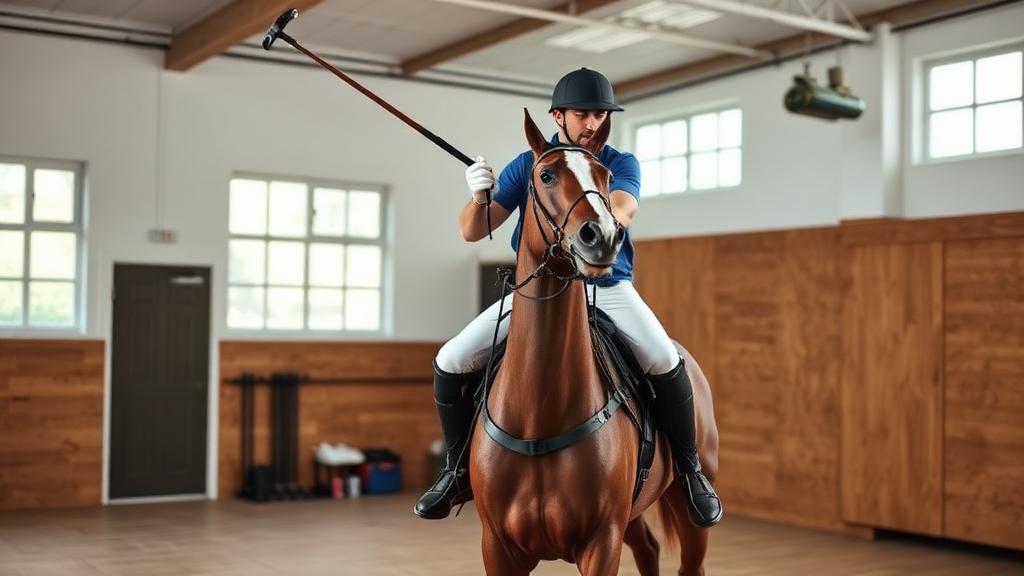
[Mallet](/glossary/mallet) grip and hand positionBasic swing mechanics on a wooden horse or standing surfacePendulum motion from the shoulderUnderstanding the [nearside](/glossary/nearside) and [offside](/glossary/offside) swingsWeek 3-4: Mounted Introduction
First time on a polo [pony](/glossary/pony)One-handed riding (reins in left hand)Basic horse control at walkIntroduction to stirrup position and balanceMilestones
By end of Month 1:
✅ Comfortable holding mallet with correct grip✅ Basic swing motion understood (not yet refined)✅ Able to walk a horse while holding mallet✅ One-handed rein control at walkCommon Challenges
**Grip tension**: Beginners grip too tightly. Focus on relaxed wrists.**Looking down**: Natural instinct; practice keeping head up.**Overthinking**: The conscious mind interferes. Trust muscle memory developing.Month 2: Building Blocks
What You'll Learn
Mounted Swing Practice
Swinging at stationary ball from horseback (walk)Connecting mallet to ball consistentlyBasic nearside shot from walkRiding Progression
Trotting while holding malletTurning and stopping on commandBeginning to feel the horse's movementMilestones
By end of Month 2:
✅ Can hit a stationary ball from walk (most attempts)✅ Comfortable trotting with mallet✅ Beginning to coordinate horse control with swing✅ Understanding of basic polo rulesCommon Challenges
**Missing the ball**: Normal. Focus on eye contact with the ball, not power.**Horse stopping**: You're probably pulling on the reins inadvertently.**Arm fatigue**: Swing mechanics not yet efficient. Builds over time.Month 3: Integration
What You'll Learn
Moving Ball Work
Hitting a rolling ball at walkIntroduction to follow-throughBeginning backhand attemptsRiding Development
Cantering with malletBasic ride-offs (bumping another horse)Quick stops and turnsMilestones
By end of Month 3:
✅ Can hit a moving ball from walk (some success)✅ Comfortable cantering with mallet✅ Basic backhand swing developing✅ Can execute simple stop-and-turn sequencesCommon Challenges
**Backhand struggles**: Most difficult swing. Don't worry — professionals spend years refining it.**Timing issues**: Ball arrives before you're ready. Anticipation develops with experience.**Losing stirrups at canter**: Focus on heels down, weight in stirrups.Month 4: Game Awareness
What You'll Learn
Team Play Introduction
Understanding positions (1, 2, 3, 4)Right of way and [line of the ball](/glossary/line-of-the-ball)Basic passing conceptsPhysical Development
Hitting at trot/slow canterNeck shots (hitting under the horse's neck)Improved accuracy over powerMilestones
By end of Month 4:
✅ Understanding of basic rules and right of way✅ Can hit at slow canter with reasonable success✅ Beginning to anticipate play development✅ Increased confidence on horsebackCommon Challenges
**Rule confusion**: Right of way takes time to internalize. Watch matches.**Position discipline**: Beginners chase the ball. Practice staying in position.**Fatigue management**: 7 minutes of play is harder than it sounds.Month 5: Practice Play
What You'll Learn
Supervised Slow Chukkas
First "live" play with other beginnersApplying rules in real timeManaging horse and competition simultaneouslySkill Refinement
Shot selection (when to hit vs. when to position)Following the ball effectivelyCommunicating with teammatesMilestones
By end of Month 5:
✅ Participated in supervised slow chukkas✅ Can hit while moving at reasonable speed✅ Basic tactical awareness developing✅ Consistently safe riding around other playersCommon Challenges
**Sensory overload**: Everything happens at once. Experience reduces overwhelm.**Forgetting skills under pressure**: Normal regression. Return with practice.**Competitive frustration**: You want to win but skills aren't there yet.Month 6: Real Chukkas
What You'll Learn
Regular Chukka Participation
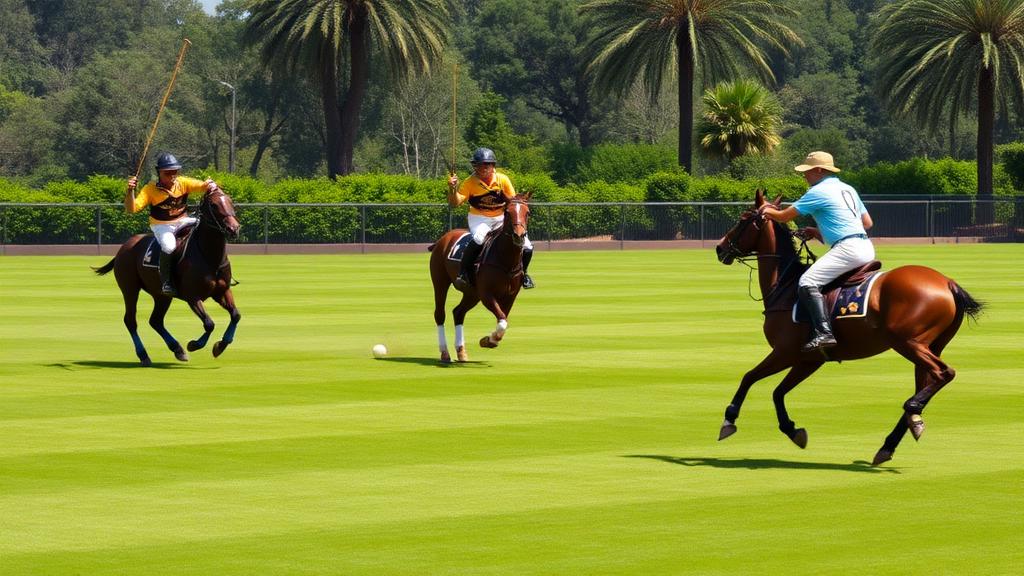
Playing in organized beginner/low-level chukkasFull game experience with goals, rules, umpiringUnderstanding your role on a teamContinued Development
Identifying personal strengths and weaknessesSetting development goalsDeciding on commitment level going forwardMilestones
By end of Month 6:
✅ Regular participant in club chukkas✅ Comfortable at polo-speed riding✅ Contributing to team play (not just surviving)✅ Clear understanding of personal development pathThe Achievement
Congratulations — you've gone from never sitting on a horse to playing organized polo. The journey has just begun, but you've established the foundation.
What Comes Next
Months 7-12: Consolidation
The first six months build foundation. The next six consolidate:
Increased power and accuracyFaster play speedBetter tactical understandingPotential first tournamentYears 2-3: Development
Most players reach 0-1 [goal](/glossary/goal) [handicap](/glossary/handicap) within 2-3 years of consistent play. This is competitive club polo level.
Beyond
High-goal polo requires full-time commitment. But recreational polo — club chukkas, low-goal tournaments, social play — is achievable for anyone willing to invest the time.
Cost Summary (6 Months)
Approximate costs for this 6-month journey (US/UK averages):
| Item | Cost Range |
|------|------------|
| Lessons (24-48 sessions) | $3,000-10,000 |
| Equipment (helmet, boots, mallets) | $500-1,500 |
| Club fees/practice chukkas | $1,000-3,000 |
| **6-Month Total** | **$4,500-14,500** |
Costs vary dramatically by location. Argentina might cost 30-50% less; premium UK clubs might cost 50-100% more.
Common Questions
Can I do this in less than 6 months?
Experienced riders with natural athleticism might play beginner chukkas in 3-4 months. But rushing invites injury and bad habits.
What if I can only practice monthly?
Progress will be slower but still possible. Expect 12-18 months to reach chukka-ready.
Am I too old?
Adults in their 40s, 50s, and beyond regularly start polo. The timeline might extend, but the destination is the same.
What if I plateau?
Everyone plateaus. More lessons, different instructors, video analysis, and patience usually break through.
Final Advice
**Trust the process**: Progress isn't linear. You'll have breakthrough days and frustrating setbacks.
**Prioritize safety**: Pushing too fast risks injury that sets you back further.
**Enjoy the journey**: Every mounted swing, every improved shot, every small victory matters.
**Find community**: Polo is more fun with friends. Build relationships at your club.
Six months from never having touched a mallet to playing your first real chukka is achievable. The question isn't whether you can do it — it's whether you'll start.