Day in the Life of a Professional Polo Player
From 5:30am stable inspections to evening strategy sessions — what a typical day really looks like for a professional polo player during the competitive season.
Day in the Life of a Professional Polo Player
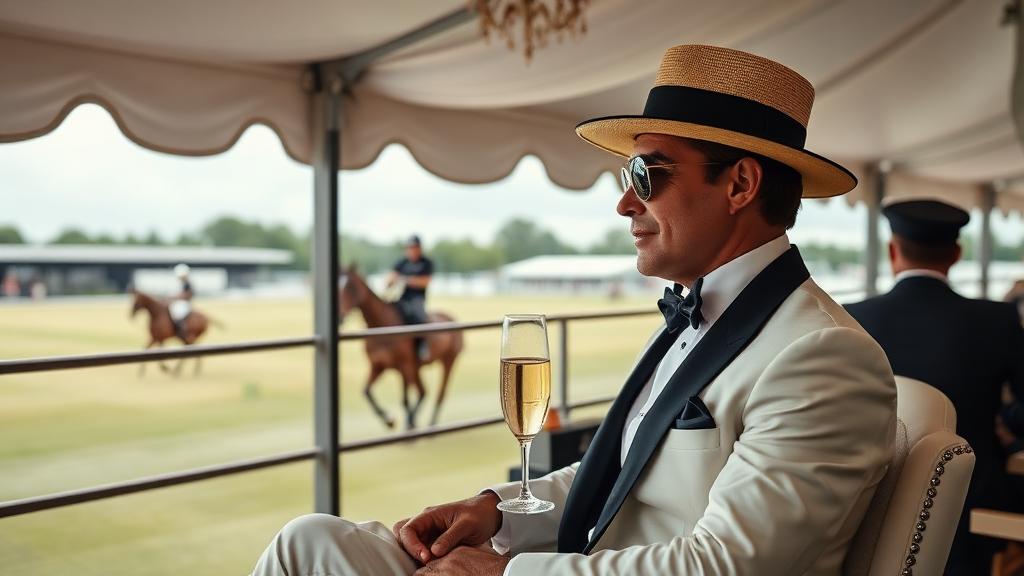
The public image of professional polo players — glamorous events, champagne, luxury travel — captures only a sliver of the reality. The daily life of a professional polo player is built on a foundation of early mornings, physical conditioning, horse management, and relentless preparation. Here's what a typical day looks like during the competitive season.
5:30 AM — First Light
The alarm goes off before dawn. Professional polo players are morning people by necessity, not always by choice. The first task of the day is **horse inspection** — a walk through the stables to check on every horse in the [string](/glossary/string).
What they're looking for:
This isn't delegated. While grooms maintain the horses throughout the day, the professional's morning check is a personal responsibility. These are their partners and their livelihood.
6:00 AM — Exercise Riding
Before the day heats up, horses need to be exercised. A professional with a string of 8–12 horses (typical for high-[goal](/glossary/goal) polo) will ride 3–4 horses in the morning, with grooms exercising the rest.
Morning exercise is typically light — trotting and cantering to maintain fitness and assess soundness. The professional uses this time to evaluate each horse's condition, detect any subtle lameness, and plan which horses will be used for the afternoon's match or practice.
7:30 AM — Breakfast and Planning
After morning exercise, breakfast is substantial — eggs, toast, fruit, protein. Professional polo players need 3,000–4,000 calories per day during the season. The body demands fuel for both riding and the intense gym work that follows.
Over breakfast, the player reviews the day's schedule:
8:30 AM — Gym / Physical Conditioning
Modern professional polo players train like elite athletes. A typical gym session lasts 60–90 minutes and focuses on:
**Core strength**: Essential for [mallet](/glossary/mallet) control and balance at speed. Planks, Russian twists, medicine ball work.
**Upper body**: Shoulders and arms for mallet swing power. Cable rotations, resistance band work, shoulder stability exercises.
**Legs**: Riding at speed requires strong legs. Squats, lunges, and cycling supplement riding fitness.
**Cardio**: Running, cycling, or swimming to maintain aerobic fitness. Polo requires sustained effort across multiple chukkas.
**Flexibility**: Yoga or stretching to maintain the range of motion needed for [offside](/glossary/offside) shots and defensive positioning.
10:00 AM — Horse Management
The mid-morning is dedicated to horse-related tasks:
12:00 PM — Lunch and Rest
Lunch is another significant meal — lean protein, complex carbohydrates, vegetables. Many professionals follow nutritional programmes designed by sports dietitians.
The hour after lunch is often the only downtime in the day. Some players nap; others handle administrative tasks — sponsor communications, social media, travel logistics.
2:00 PM — Stick and Ball / Practice
If there's no match, the afternoon is practice time:
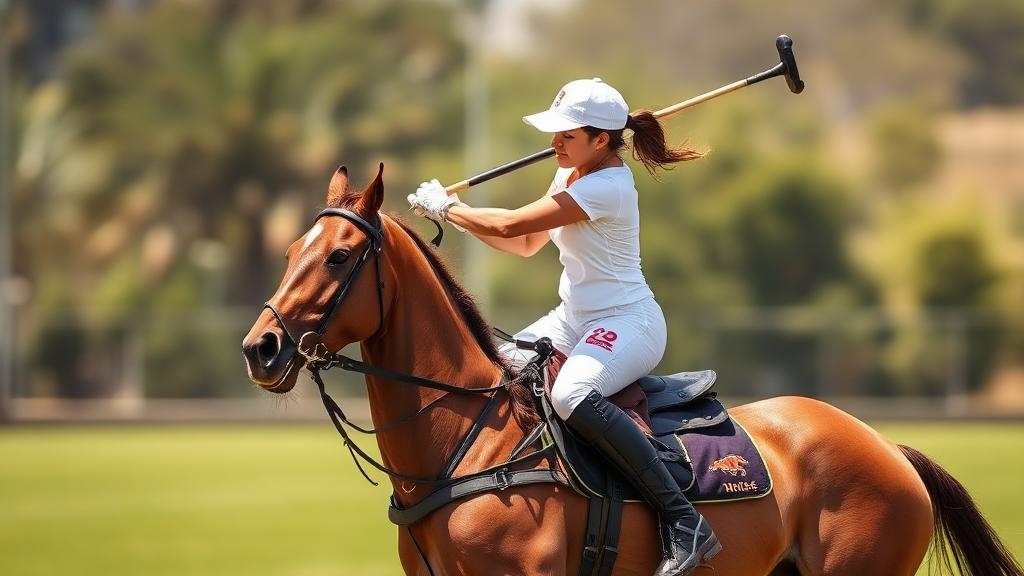
**Stick and ball**: Individual practice on horseback, hitting balls on the field. This is where technique is refined — working on specific shots, practicing at different speeds and angles. A professional might hit 200–300 balls in a session.
**Team practice**: If the whole team is available, structured practice sessions work on set plays, penalty strategies, and positional coordination.
**Young horse training**: Professionals often ride and school younger horses that are being developed for future seasons. This is both training and evaluation — deciding which horses have the talent to progress.
4:00 PM — Match Day (Alternate Days)
On match days, the afternoon shifts to competition mode:
6:00 PM — Evening Horse Care
After riding is done, the evening routine begins:
7:30 PM — Dinner and Strategy
Dinner is often a social affair — with teammates, patrons, or other players. But the conversation frequently turns to polo:
9:30 PM — Wind Down
By 9:30 PM, most professional polo players are winding down. The 5:30 AM start comes early, and consistent sleep is essential for performance and recovery. Some players read, others watch video of upcoming opponents, a few might check in on late-night Argentine polo social media.
The Unglamorous Truth
The professional polo life is physically demanding, logistically complex, and emotionally intense. The glamorous moments — winning a trophy, the social scene, the travel to beautiful venues — are real, but they're the tip of an iceberg built on discipline, horse care, and relentless practice.
What sustains professionals through the grind is a genuine love for horses and the thrill of the game. The partnership between horse and rider, the speed and strategy of polo, and the camaraderie of the team are what make the early mornings and sore muscles worthwhile.