Nacho Figueras: Polo's Most Famous Face
Nacho Figueras is the most recognised polo player on earth — and the least understood. Beyond the Ralph Lauren campaigns lies a serious polo career, a compelling personal story, and an extraordinary mission to share the sport.
Nacho Figueras: Polo's Most Famous Face
Ask someone outside the polo world to name a polo player, and there is one name that will come up more often than any other: Nacho Figueras. His face has been on Ralph Lauren campaigns for over two decades. He has appeared on every major magazine cover from Vogue to Time. He has hundreds of thousands of social media followers who, in many cases, had no awareness of polo before they encountered him.
Within the polo world, opinions on Figueras are more nuanced. To serious high-[goal](/glossary/goal) players, he is a 6-goal professional — respected but not exceptional by the standards of the Argentine elite. To the polo establishment, he has been simultaneously a gift (bringing the sport unprecedented mainstream attention) and a complication (threatening to reduce polo to a lifestyle accessory). To Figueras himself, these tensions are less interesting than the mission he has pursued for his entire career: making polo accessible to people who think it is not for them.
Early Life — Buenos Aires, 1977
Ignacio "Nacho" Figueras was born in 1977 in Buenos Aires into a family with equestrian connections but without the polo dynasty background of a Pieres or Harriott. He began riding as a child and took up polo in his teens, developing his game on the Buenos Aires provincial circuit before moving to the United States in the late 1990s.
His combination of riding ability, physical attractiveness, and natural charisma was unusual in any sport. In polo — a sport where commercial instincts had historically not been cultivated — it was extraordinary. Ralph Lauren's scouts found him when he was in his early 20s, and the relationship that followed changed both his life and polo's public profile.
The Ralph Lauren Partnership
The Nacho Figueras x Ralph Lauren association is one of sport and fashion's most enduring commercial partnerships. For over 20 years, Figueras has been the face of the Polo Ralph Lauren brand — a role that has taken him to fashion weeks, red carpets, and magazine photoshoots in a parallel life to his sporting career.
The association works because Figueras embodies what the Ralph Lauren brand represents: a certain ideal of athletic elegance, equestrian tradition, and aspirational American (or, in his case, Argentine-American) success. He did not merely pose in the clothes — he lived the life the brand was selling.
For polo, the benefit has been incalculable: every Ralph Lauren campaign featuring Figueras is effectively a global advertisement for the sport, reaching audiences that no polo federation could afford to target.
The Playing Career — A Serious 6-Goal Player
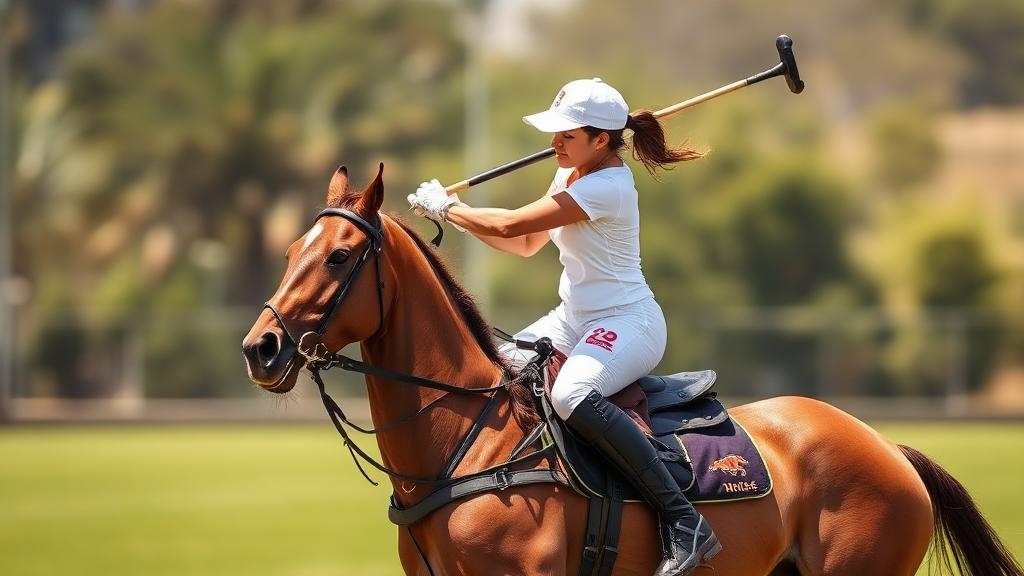
Within the polo world, Figueras is sometimes dismissed as more celebrity than player. This is unfair. A 6-goal HPA and USPA [handicap](/glossary/handicap) represents serious ability — the top 15–20% of competitive players globally. He has competed consistently in the English and American seasons for over two decades, and his **Black Bears** team has competed at medium-goal level with genuine competitiveness.
Figueras has never claimed to be in the category of Cambiaso, Pieres, or the Argentine 10-goalers. He is clear-eyed about where his playing ability sits. What he brings to every match he plays, beyond his polo skills, is the kind of attention and profile that clubs, sponsors, and the sport's governing bodies understand is valuable in ways that transcend the scoreline.
Advocacy and Access
What separates Figueras from a pure celebrity ambassador is his genuine commitment to polo's democratisation. He has been vocal about opening the sport to players from non-traditional backgrounds — his own experience of coming from a non-dynasty Argentine family gave him a personal understanding of the barriers within even the relatively open Argentine polo system.
His public advocacy for women's polo, youth access, and diversity within the sport has been consistent over many years. His social media presence — which reaches millions of people who have no relationship with equestrian sport — is used to introduce polo in accessible, non-intimidating ways.
The Cultural Impact
The question of whether Nacho Figueras has been good or bad for polo's culture is interesting. The concern — expressed by some traditionalists — is that his celebrity positioning reduces the sport to aesthetics, attracting people who are more interested in the fashion than the competition.
The counter-argument is more compelling: polo needs new participants at every level, from grassroots beginners to high-goal patrons. If Figueras's campaigns have brought even a small percentage of the millions who have seen them to actually engage with polo — to attend a match, take a lesson, or simply develop an interest — the aggregate impact on the sport's growth vastly outweighs the aesthetic concerns.
He has, in the best sense, been a gate: opening polo to people who might never have encountered it, and trusting that enough of them will discover what those inside the sport already know — that polo, as a sport, is extraordinary enough to hold them without any further marketing required.