Polo Club Culture: Etiquette and Traditions
Navigate polo club culture with confidence — from dress codes and social customs to unwritten rules every player and guest should know.
Polo Club Culture: Etiquette and Traditions
Polo clubs operate on traditions that can bewilder newcomers. The sport carries centuries of accumulated customs — some functional, some purely ceremonial. Understanding these traditions makes polo more enjoyable and helps you navigate club life confidently. To find [polo clubs](/clubs) in your area, use our directory.
The Social Framework
Club Hierarchy
Most polo clubs have informal hierarchies:
**The Patrons**: High-[handicap](/glossary/handicap) amateur players who finance teams. They command respect for their investment in the sport.
**The Professionals**: Hired players, often Argentine, who provide skill and expertise. Treated with professional respect.
**Club Members**: Regular members who play recreationally or competitively at various levels.
**Working Pupils/Grooms**: Young people learning the trade, often from polo-playing countries. Essential to club function.
**Guests and Visitors**: Welcome but expected to understand basic etiquette.
The Clubhouse
The clubhouse is the social heart of polo:
**Dress Codes**: Most clubs require collared shirts and proper footwear in the clubhouse. Check specific rules — some clubs are more formal than others.
**Behavior**: Clubhouses are shared spaces. Respect noise levels, keep muddy boots outside, and observe posted rules.
**Ordering**: Some clubs use accounts; others expect cash or card. Ask if unsure.
On-Field Etiquette
Before Play
**Punctuality**: Arrive at least 30 minutes before your scheduled [chukka](/glossary/chukka). Late arrivals disrupt games and disrespect other players.
**Tacking Up**: If using club or borrowed horses, verify you know the horse's tack requirements. When in doubt, ask.
**Warm-Up**: Stick to designated warm-up areas. Don't practice on the main field before games.
During Play
**Team Communication**: Call shots ("Mine!" "Leave it!") and positions ("Man on!" "Turn!"). Clear communication prevents accidents.
**Respect the Professionals**: If you're playing with professional players, listen to their instructions. They're there to help the team win.
**Accept Umpire Decisions**: Arguing with umpires is poor form. A brief expression of disagreement is acceptable; persistent arguing is not.
**Safety First**: If you see a dangerous situation developing, call out. Player safety trumps competitive advantage.
After Play
**Thank the Grooms**: They prepared your horses. A word of thanks costs nothing.
**Horse Care**: If you own your horses, ensure proper cooling down and care. If using club horses, follow club protocols.
**Cool Down Chat**: A few minutes socializing after play is customary. Don't just rush off.
Dress and Appearance
Playing Dress
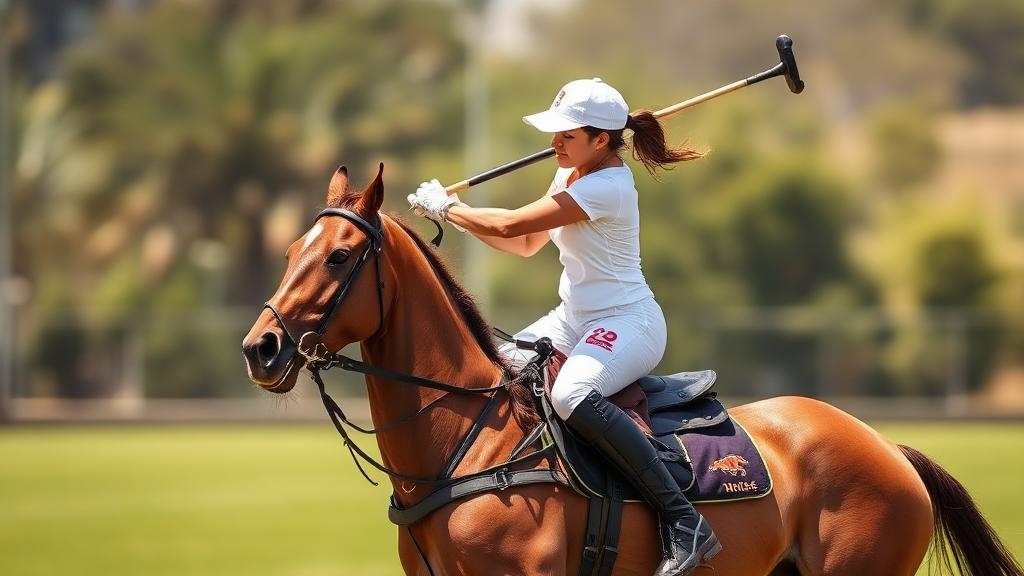
**Whites**: Traditional polo is played in white (or team-colored) jeans or breeches, white polo shirts (or team jerseys), tall boots, and helmets.
**Knee Guards**: Optional but common. Required at some clubs.
**Gloves**: Personal preference. Most players use gloves.
**Helmet**: Mandatory. Must meet current safety standards.
Social Dress
**Men**: Collared shirts, chinos or proper trousers, leather shoes. Blazers for formal events.
**Women**: Sundresses, smart casual, or appropriate club wear. Hats for major events.
**What Not to Wear**: Athletic wear, flip-flops, torn jeans, revealing clothing (at most traditional clubs).
Interacting with Professionals
The Professional's Role
Hired professionals are paid to play and win. They also often:
Appropriate Behavior
**Respect Their Expertise**: They're professionals for a reason. Listen and learn.
**Understand the Hierarchy**: On the field, professionals often lead. Off the field, social dynamics are more equal.
**Compensation**: Professionals are paid by their patrons, but tips for exceptional service (particularly from grooms) are appreciated.
**Social Boundaries**: Friendliness is welcome, but professionals also need professional respect and space.
Horse Etiquette
Around Horses Generally
**Approach Carefully**: Always approach horses from the side, speaking calmly to announce your presence.
**Ask Before Touching**: Not all horses welcome attention. Ask the groom or owner first.
**Respect Space**: Don't walk directly behind horses or crowd them.
Horse Ownership and Borrowing
**Horse Hire Customs**: If hiring horses, understand the pricing structure upfront. Don't haggle after the fact.
**Damage Protocol**: If something happens to a borrowed horse, report it immediately. Honest communication prevents worse outcomes.
**Return Horses Properly**: If you borrow horses, return them cooled down and clean, or confirm what level of care is expected.
Social Traditions
The Stick and Ball
Before organized chukkas, players often hit balls around the field (stick and ball). Etiquette includes:
Post-Match Drinks
Many clubs gather for drinks after play. This is networking, relationship building, and decompression time.
**Buying Rounds**: The winning team often buys drinks. Patrons often cover tabs. Don't be stingy if it's your turn.
**Conversation**: Keep it light — discuss the match, horses, upcoming events. Avoid heavy topics.
[Divot](/glossary/divot) Stomping
At matches with spectators, halftime divot stomping is traditional:
Prize Giving
After tournaments, prize ceremonies follow expected patterns:
Groom Relations
The Groom's Importance
Grooms (petiseros in Argentina) are essential to polo. They prepare horses, maintain equipment, and ensure everything runs smoothly. A good groom makes polo possible.
Showing Respect
**Acknowledgment**: Know your groom's name. Greet them.
**Communication**: If something is wrong with a horse or equipment, communicate clearly and respectfully.
**Appreciation**: Thank them after play. Tips are appropriate for exceptional service, particularly at tournaments.
**Don't Blame**: If a horse performs poorly, don't blame the groom publicly. Discuss concerns privately.
International Variations
Argentina
More relaxed than British clubs. But:
England
Formal traditions remain strong:
United States
Generally less formal:
Common Mistakes to Avoid
**Talking About Money**: Discussing horse prices, player salaries, or patron finances publicly is poor form.
**Criticizing Others' Play**: Everyone sees their own mistakes. Unsolicited criticism is unwelcome.
**Ignoring Hierarchy**: While clubs are friendly, they have structures. Observe before asserting yourself.
**Phone Use During Play**: Put your phone away while on the field. Check messages between chukkas.
**Arriving Unprepared**: Not having proper equipment, not knowing the schedule, not understanding basic rules — all signal disrespect.
Building Your Place in Club Culture
Start Humbly
Even if you're accomplished in other fields, polo is hierarchical. Start by listening, observing, and respecting those with more experience.
Contribute
Volunteer for club events. Buy drinks occasionally. Support club fundraisers. Being seen as a contributor builds standing.
Play Consistently
Regular, reliable attendance builds relationships and reputation. Polo is a relationship sport.
Improve Visibly
Investment in improving your game shows commitment. Take lessons, practice, ask for feedback.
Be Gracious
Win with humility. Lose with grace. Thank the horses. Thank the grooms. Compliment good play from opponents.
The Unwritten Code
Polo's traditions exist for reasons:
**Safety**: Many etiquette rules prevent accidents.
**Respect**: The sport depends on amateurs, professionals, grooms, and horses working together. Mutual respect makes this function.
**Continuity**: Polo's traditions connect us to centuries of history. Participating in them is participating in that history.
**Pleasure**: These customs, once learned, make polo more enjoyable for everyone.
Understanding polo culture takes time. Watch, listen, ask questions, and participate. The polo community welcomes newcomers who show willingness to learn its ways. Review the [polo dress code](/polo-dress-code) and pick up the [polo glossary](/glossary) to get fluent in the language of the sport.