Polo in Chile: Patagonia's Hidden Polo Scene
Explore Chile's growing polo community, from Santiago's historic clubs to Patagonia's stunning estancia polo experiences.
Polo in Chile: Patagonia's Hidden Polo Scene
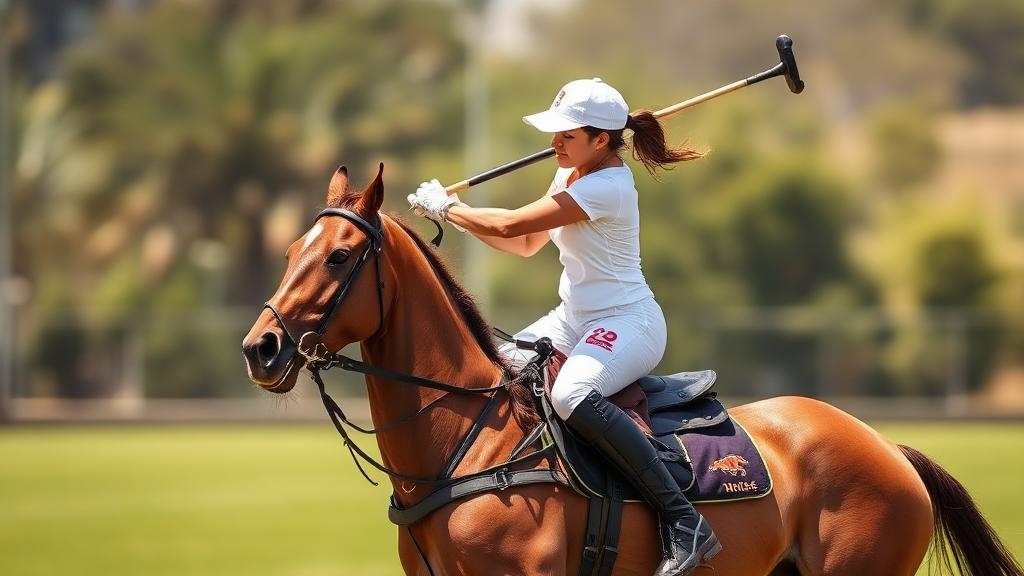
Chile, squeezed between the Andes and the Pacific, might not immediately come to mind as a polo destination. Yet this long, narrow country boasts a century-old polo tradition, spectacular playing venues, and a growing international reputation. From the fertile Central Valley to the windswept expanses of Patagonia, Chilean polo offers something truly unique.
Historical Background
Polo arrived in Chile in the late 1800s, brought by British businessmen involved in mining, railroads, and trade. The first clubs emerged in Valparaíso (Chile's main port) and Santiago, mirroring the establishment pattern seen throughout South America.
The sport found fertile ground in Chile's landowning class, who already maintained strong equestrian traditions. By the 1920s, Chilean teams were competing internationally, and the country developed its own breeding programs.
The Chilean Polo Scene Today
Santiago and the Central Valley
Most Chilean polo activity centers on the capital region:
**Club de Polo y Equitación San Cristóbal**: Founded in 1925, this historic club in Santiago remains the heart of Chilean polo. With multiple grass fields, modern facilities, and active leagues, it hosts the Chilean Open and other major tournaments.
**Country Club de Las Condes**: Another Santiago-area option with excellent facilities and strong beginner programs.
**Regional Clubs**: Clubs in Viña del Mar, Rancagua, and other Central Valley locations offer additional playing opportunities, though on a smaller scale than Santiago.
Patagonian Polo
Chile's most unique polo offering lies in the south:
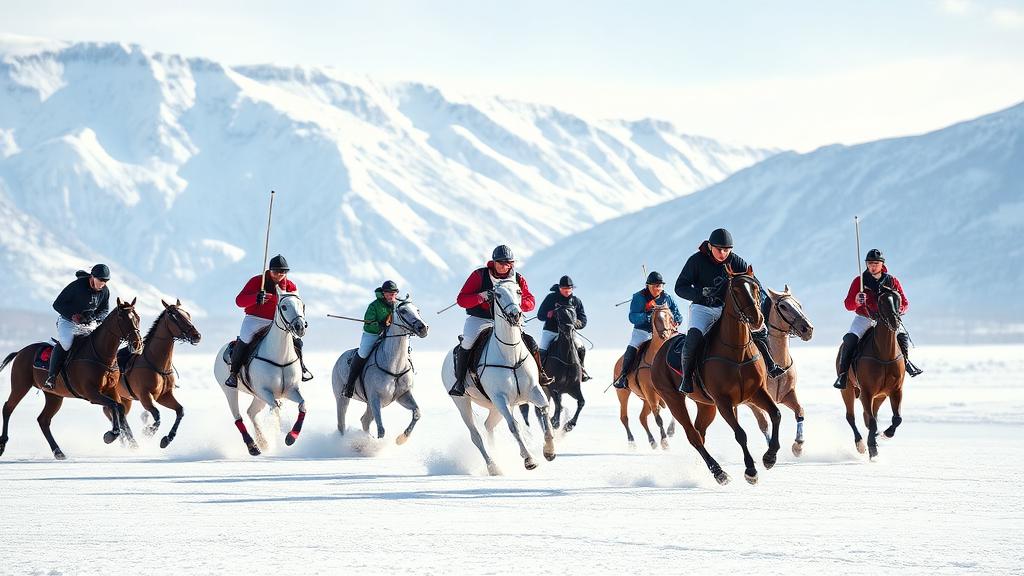
**[Estancia](/glossary/estancia) Polo**: Several Patagonian estancias (ranches) offer polo experiences that combine the sport with dramatic landscapes. Imagine playing polo with snow-capped peaks as your backdrop, glacial lakes visible in the distance.
**Torres del Paine Region**: While not organized polo, several luxury lodges offer stick-and-ball sessions and informal chukkas for guests.
**Accessibility Note**: Patagonian polo is seasonal (December–February) and typically requires booking with specific estancias or luxury tour operators.
Playing Polo in Chile
Season
Chile's polo season runs November through April, peaking in January–February (southern hemisphere summer). The main tournament calendar runs December through March.
**Central Valley Weather**: Warm, dry summers (December–February) provide excellent playing conditions. Autumn (March–April) brings cooler temperatures but remains playable.
**Patagonia Weather**: Unpredictable and windy, even in summer. Layers are essential. Rain can appear quickly, but the landscapes reward the effort.
Cost Structure
Chilean polo is more affordable than Argentina's premium venues but more expensive than developing Asian scenes:
Getting Started
1. **Contact Club de Polo San Cristóbal**: They offer structured lesson programs and can direct you to certified instructors.
2. **Beginner Clinics**: Several clubs run seasonal beginner clinics, typically in spring (September–October).
3. **Language**: Some English is spoken at major clubs, but Spanish is essential for full integration.
The Chilean Horse
Chile has developed its own polo horse bloodlines, [crossing](/glossary/crossing) Argentine stock with local breeds. Chilean polo ponies are known for:
For serious players, importing horses from Argentina is common, particularly for high-[goal](/glossary/goal) competition.
Major Tournaments
Campeonato Chileno Abierto (Chilean Open)
Held at Club de Polo San Cristóbal, the Chilean Open is the country's flagship tournament. Typically played at 12–18 goals, it attracts teams from Argentina and beyond.
Copa Santa Rita
A prestigious tournament held in connection with the Santa Rita winery, combining polo with Chile's excellent wine culture.
Provincial Tournaments
Regional competitions in Viña del Mar, Talca, and southern regions provide pathways for developing players.
The Polo-Wine Connection
Chile's wine country overlaps significantly with its polo geography. The Central Valley, home to renowned wine regions like Maipo, Colchagua, and Casablanca, also hosts polo clubs and events.
Several wineries actively sponsor polo events, and combining a polo trip with wine tours is a natural pairing. Notable polo-wine experiences include:
Practical Information
Getting There
**Santiago (SCL)**: The main entry point. International flights from most major hubs. Domestic connections to southern Chile.
**For Patagonia**: Fly to Punta Arenas or Puerto Natales, then arrange ground transfer or charter to estancias.
Visa Requirements
Most Western passport holders receive visa-free entry for 90 days. No special permits required for playing polo as an amateur.
Currency and Costs
The Chilean Peso (CLP) is the local currency. USD is widely accepted in tourist areas. Chile is more expensive than Argentina for most goods and services, roughly comparable to Spain or Portugal.
Language
Spanish is essential. While some club members speak English, instruction and socializing will primarily be in Spanish. Basic Spanish proficiency is recommended.
Combining Chile with Argentina
Many international polo visitors combine Chile with Argentina:
**Typical Itinerary**:
1. Arrive Santiago, acclimate, play at local clubs (3–4 days)
2. Cross the Andes to Mendoza (scenic drive or flight)
3. Continue to Buenos Aires for high-goal season
**Cross-Border Considerations**: The Mendoza-Santiago crossing via Los Libertadores can close in winter (June–August) due to snow. Summer crossings are straightforward.
The Future of Chilean Polo
The sport is growing, aided by:
Challenges include limited horse supply and the dominance of Argentina nearby, which draws both players and horses.
Why Choose Chile?
**Unique Landscapes**: From the Andes to Patagonia, Chile offers playing environments unlike anywhere else.
**Wine Culture**: The polo-wine combination is seamless and sophisticated.
**Less Crowded**: Compared to Argentina, Chilean polo is more intimate, with easier access to clubs and instructors.
**Adventure Add-Ons**: Combine polo with hiking, skiing (in winter), or Patagonian exploration.
Chile may never rival Argentina for polo depth, but it offers something Argentina cannot: dramatic Andean backdrops, world-class wine integration, and an emerging scene where visitors are welcomed rather than absorbed into an existing machine.