Polo in France: Chantilly, Deauville and the French Season
France has one of Europe's most refined polo cultures — from the grandeur of Chantilly to the Belle Époque glamour of Deauville. Here's your complete guide to French polo.
Polo in France: Chantilly, Deauville and the French Season
France occupies a unique place in European polo — a country where the sport has been embraced not merely as an athletic competition but as a cultural institution interwoven with horse racing, art, gastronomy, and the French elite's passion for the countryside. While England and Argentina dominate polo's global imagination, France has quietly built one of the continent's most sophisticated polo ecosystems, centred on two extraordinary venues: Chantilly and Deauville.
The Two Pillars: Chantilly and Deauville
**Chantilly** is France's equestrian capital. Forty-five minutes north of Paris by train, it is a town defined entirely by horses — the Château de Chantilly, the Musée du Cheval, the racecourses, and the polo grounds all exist in a landscape shaped by centuries of aristocratic equestrian culture. The Polo de Paris at Bagatelle in the Bois de Boulogne provides the urban counterpart — polo within the green lung of Paris itself, accessible by Metro.
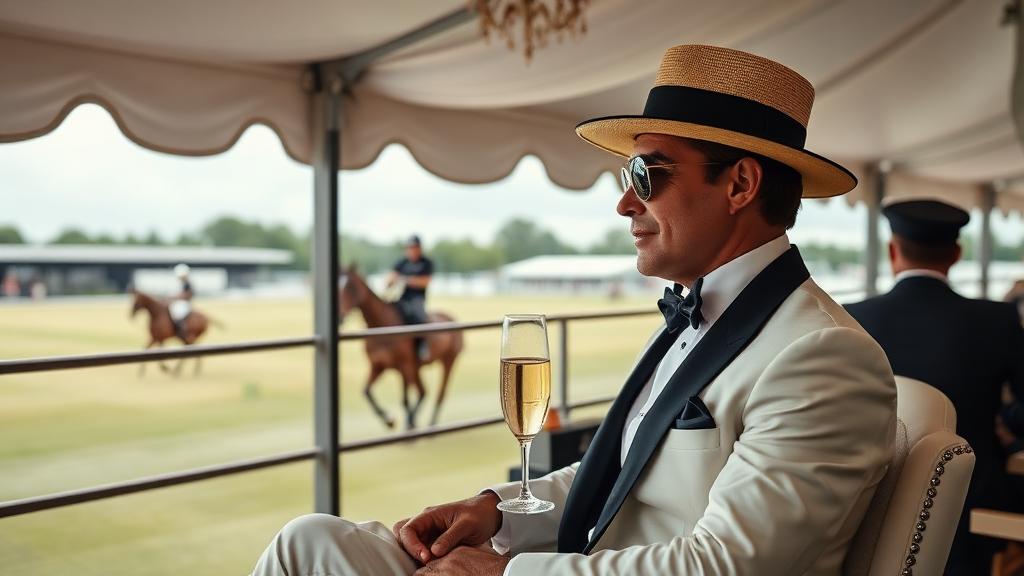
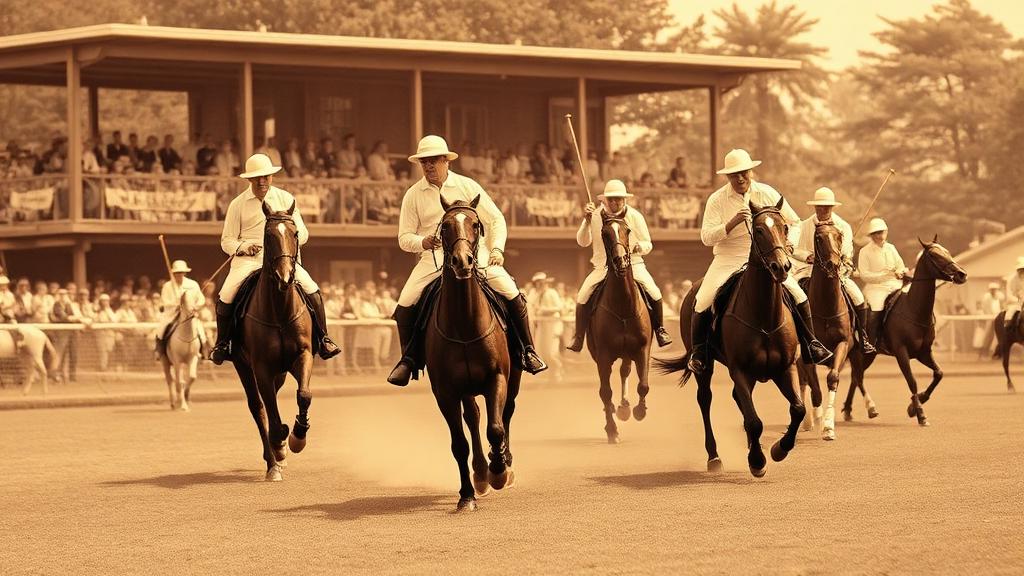
**Deauville** in Normandy is France's other polo heartland, and it may be the most atmospherically perfect polo destination in the world. The Polo Club de Deauville, founded in 1907, sits beside the Norman coast with its distinctive Belle Époque grandstands, its manicured grass fields, and the sound of the English Channel behind the treeline. The August polo season at Deauville coincides with the Deauville American Film Festival and the racing at La Touques and Clairefontaine — a convergence of equestrian, cinematic, and social culture that gives Deauville August its unique energy.
The French Polo Season
The French season runs from **May through September**, divided between Paris-area clubs in spring and the full Deauville programme in August. The key fixtures are:
The Deauville World Polo Cup in August is the flagship event, typically played at 18–20 goal with South American professionals competing for top European patron teams.
How to Get There
**Deauville**: Train from Paris Saint-Lazare to Deauville-Trouville takes approximately 2 hours. The Polo Club de Deauville is 10 minutes by taxi from the station. August accommodation must be booked months ahead — the Norman coast in August is one of France's most sought-after holiday destinations.
**Chantilly**: Train from Paris Gare du Nord to Chantilly-Gouvieux takes 45 minutes. The polo club is a short taxi ride from the station. Chantilly's racecourse, château, and forest make it an outstanding full-day destination.
**Paris Bagatelle**: Metro Line 1 to Pont de Neuilly, then 15 minutes walk through the Bois de Boulogne to the Bagatelle polo ground.
Playing Polo in France
France has approximately 2,500 registered polo players and over 90 clubs registered with the Fédération Française de Polo (FFP). The standard of play is high — France regularly competes in FIP European and World Championships and has produced several 7–8 goal professionals.
**Cost of polo in France**: Lessons range from €60–100 per session at most clubs; chukkas from €80–150 per [chukka](/glossary/chukka) including horse hire. Deauville and Paris clubs are at the premium end; provincial clubs in Normandy, Burgundy, and the Île-de-France offer better value.
**Best clubs for beginners**: Polo Club de Chantilly, Polo Club d'Apremont, Polo Club des Yvelines (near Paris). Most clubs offer packages of 5–10 lessons with horse hire for approximately €400–600.
Women's Polo in France
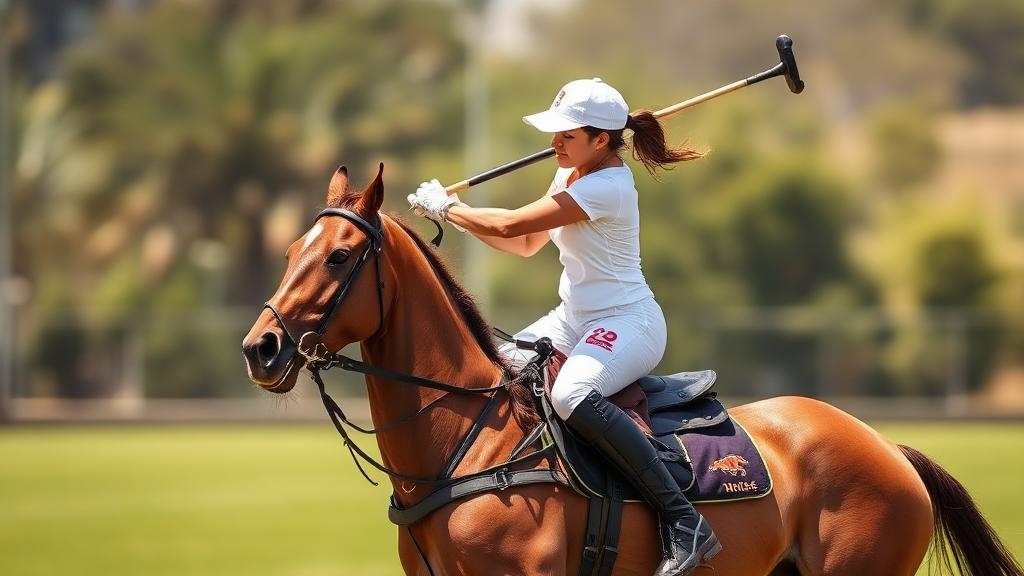
France has one of Europe's strongest women's polo programmes, with the Coupe de France Féminine and the Ladies Polo Nations Cup (held at Chantilly or Deauville) providing high-profile competitive women's polo at the international level. French women's polo has grown significantly since 2015, driven by new clubs and increased FFP investment in women's competition.
The French Polo Aesthetic
What distinguishes French polo from its British or Argentine equivalents is the cultural context. Polo in France is embedded in a world of racing, art, and fine living in a way that feels organically French rather than imported. Watching polo at Deauville — with the Norman coast, the Belle Époque grandstands, the Hermès boutiques, and the racing programme — is an experience that goes well beyond the sport itself. France doesn't do polo like anywhere else, and that is precisely its appeal.