Polo in Indonesia: Bali and Beyond
Indonesia's polo scene is driven by Bali's luxury tourism market and Jakarta's business elite, creating a distinctive tropical polo culture with growing international connections.
Polo in Indonesia: Bali and Beyond
Indonesia presents one of the most intriguing polo environments in Asia. The world's fourth most populous country, with the largest Muslim population globally and a geography spanning over 17,000 islands, might not seem an obvious polo destination. Yet Bali's unique position as a global luxury tourism destination, combined with Jakarta's large and affluent business class, has created the conditions for polo to establish a foothold in this archipelago nation.
This guide covers polo in Indonesia — primarily Bali — the clubs and facilities available, the unique challenges of tropical polo, and the prospects for the sport's development. For broader context on international polo, see our [clubs directory](/clubs) and [international polo](/learn) resources.
Bali as a Polo Hub
Bali is Indonesia's polo centre, and this is not accidental. The island's extraordinary combination of:
...creates a market for polo that transcends what Indonesia's domestic demographics alone would produce. Bali polo is as much a tourism and expatriate amenity as it is a local sport.
The Bali Polo Club
The Bali Polo Club, located in the Seminyak/Canggu area, has been the primary polo institution on the island. It operates as a combined polo school, club, and event venue, attracting:
The club has hosted international players and events, and its social events have been part of Bali's luxury lifestyle calendar. For current status and programming, check directly with the club — arrangements in Bali's tourism-driven environment can evolve quickly.
Jakarta and the Indonesian Business Community
Jakarta, Indonesia's capital and dominant commercial centre, has a large and wealthy business elite with the appetite for premium sports. Equestrian activity exists in Jakarta, and polo has had some presence in the greater Jakarta area through private club and estate-based operations.
Jakarta polo tends to be less visible publicly than Bali polo, reflecting the difference between a resort tourism market (Bali) and a business capital where discretion and private club culture are more common.
Polo in Other Indonesian Islands
Indonesia's other major islands — Sumatra, Java (beyond Jakarta), Sulawesi, Kalimantan — have equestrian activity but polo is not significantly developed beyond Bali and Jakarta. The archipelago's geographical complexity (inter-island horse transport is logistically challenging), combined with the concentration of polo-market demographics in Bali and Jakarta, makes a multi-island polo circuit unlikely in the near term.
The Tropical Challenge for Indonesian Polo
Playing polo in a tropical climate like Bali's creates specific challenges that directly affect all aspects of the game:
**Heat and humidity**: Bali's year-round heat (average 28–32°C) and high humidity are demanding for both horses and riders. Polo sessions must be carefully timed — early morning or late afternoon — to avoid the worst of midday heat.
**Horse welfare**: Polo ponies in tropical conditions require careful management: shade, adequate water, reduced workload intensity, and veterinary monitoring for heat stress. Horse rotation is essential.
**Ground maintenance**: Tropical grasses grow very differently from temperate climate turf. Ground maintenance for polo in Bali requires locally-adapted grass species (such as Paspalum or similar tropical sports turf) and different irrigation and mowing regimes.
**Rainy season**: Bali has a distinct wet season (approximately November–March) with heavy rainfall that renders grounds unplayable for much of the time. The dry season (April–October) is the primary polo period.
**Horse import**: Importing Argentine polo ponies to Bali involves significant veterinary documentation, quarantine, and logistics. Some operators use locally-sourced or Thai-imported horses for more accessible cost, though at some performance compromise.
The Bali Polo Experience
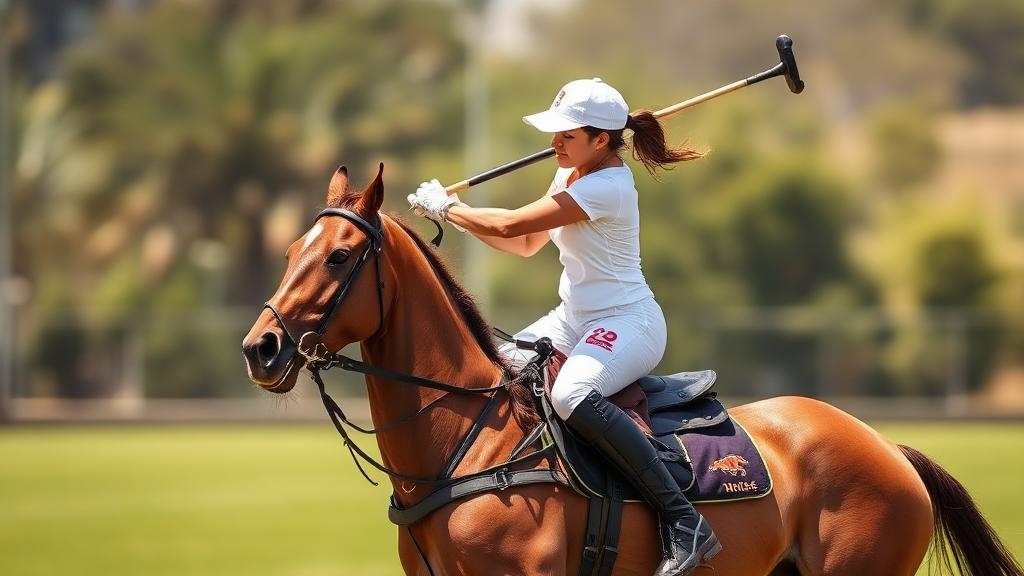
For the visitor or tourist, Bali polo offers something genuinely unique: the opportunity to play or watch polo in one of the world's most beautiful island settings, with palm trees, tropical landscape, and the distinctive Balinese cultural backdrop. This is a different polo experience from any found in Argentina, the UK, or the USA — and for many visitors, that distinctive character is precisely the appeal.
Polo introductory lessons are available for tourists and beginners, making Bali polo accessible to people who would never have considered the sport outside this context. These introductory experiences have introduced polo to many people who go on to pursue the sport more seriously at home.
The Indonesian Polo Federation
Indonesia's polo is nominally represented within the equestrian federation structure, though the sport's small scale means institutional development lags behind more established Asian polo nations. Integration with the Asian polo circuit depends on growth in the domestic player base and international participation.
Frequently Asked Questions
Can tourists play polo in Bali?
Yes. The Bali Polo Club and similar operations offer tourist-facing introductory polo experiences. Booking in advance is recommended, particularly in peak tourist season (July–August and December–January).
What is the cost of polo in Bali?
Bali polo pricing reflects the island's premium tourism market. Introductory lessons are typically in the USD 100–200 range per session; club membership and regular play is significantly more. Prices are high relative to Indonesian cost of living but reasonable relative to equivalent experiences elsewhere.
Is polo in Bali year-round?
The dry season (April–October) is the primary season. The wet season significantly reduces activity. Some facilities maintain limited programming year-round, but conditions are best in the dry season.
Are there polo horses for hire in Bali?
Yes — the Bali Polo Club and similar operations maintain horses for hire. This is essential for the tourist market that does not bring its own horses.
Can I bring my own horse to Bali for polo?
Theoretically yes, but the logistics and cost of horse import to Indonesia are substantial. Import requirements include health certificates, Coggins test, quarantine, and significant shipping costs. Most visiting players use horses provided by local clubs.
How does Indonesian polo compare to other Asian polo centres?
Indonesian polo is smaller and less formally organised than Singapore, Hong Kong, or major Indian polo clubs. It offers a unique tropical experience rather than competing on the dimension of competitive level.