Polo in Ireland: Celtic Heritage and the All-Ireland Championships
A full guide to polo in Ireland — the historic All Ireland Polo Club, regional clubs, the Irish season, cross-border play with Northern Ireland, and how to get involved in Irish polo.
Polo in Ireland: Celtic Heritage and the All-Ireland Championships
Ireland might seem an unlikely home for polo, but the sport has deep roots in the country's cultural and social history. The All Ireland Polo Club — founded in 1873 — is one of the oldest polo clubs in the world, and the Irish polo circuit today combines serious competitive play with the country's famous sociability and spectacular green landscapes. For players and visitors alike, Ireland offers a polo experience that is both high quality and distinctively Irish.
History of Polo in Ireland
Polo arrived in Ireland in the 1870s, carried by officers of the British Army stationed in Dublin. The sport spread quickly through the Anglo-Irish ascendancy and military communities, and by the 1880s there were clubs across the island from Dublin to Cork and beyond.
The All Ireland Polo Club, founded at the Phoenix Park in Dublin in 1873, became the sport's hub in Ireland. Phoenix Park — at 1,750 acres one of the largest enclosed city parks in the world — provided ideal conditions, and the club's location in the heart of Dublin gave it a social prominence that sustained it through the political upheavals of the twentieth century.
During the independence period, polo in Ireland navigated complex cultural terrain: it was associated with the Anglo-Irish establishment yet also genuinely beloved by many Irish families. The sport survived and eventually thrived in the new Irish state, gradually becoming detached from its colonial associations and establishing itself as simply part of the Irish sporting landscape.
The All Ireland Polo Club (AIPC)
The All Ireland Polo Club remains the heart of Irish polo. Based at Phoenix Park, it operates multiple grass fields and hosts some of Ireland's most prestigious tournaments.
The AIPC is also notable for its accessibility. Unlike some elite polo clubs elsewhere in the world, the AIPC has historically maintained a relatively open door to new members and takes pride in its development programme.
Other Key Irish Clubs
Wicklow Polo Club
Located in County Wicklow, south of Dublin, this club benefits from the lush pastureland of the "Garden of Ireland." It runs a competitive programme and several well-regarded tournaments through the summer season.
Cork Polo Club
One of the older provincial clubs, Cork hosts club-level play and has historically contributed to Irish national team development. The club plays on grass fields in the Cork region and runs an annual tournament calendar.
Kildare Polo Club
Kildare's rich equestrian heritage (it is home to the Irish National Stud and several of the world's leading Thoroughbred studs) makes it a natural polo location. The Kildare Polo Club benefits from excellent grass and horse management infrastructure.
Limerick Polo Club
Active in the west of Ireland, Limerick Polo Club serves the Munster polo community and participates in the Irish interprovincial competition structure.
Governing Body: Polo Ireland
Polo in the Republic of Ireland is governed by **Polo Ireland**, which is affiliated with the FIP. Polo Ireland manages:
Northern Ireland's polo clubs operate under the **Hurlingham Polo Association (HPA)**, the UK governing body. Cross-border play — involving clubs from both the Republic and Northern Ireland — is common and generally facilitated smoothly through informal reciprocal agreements between Polo Ireland and the HPA.
The Irish Polo Season
Ireland's Atlantic climate means the polo season is concentrated in the summer months:
The All-Ireland Championships are typically held in July or August, at the peak of the Irish summer. Evenings are long, fields are at their best, and the social programme around the tournaments is substantial.
The All-Ireland Championships
The All-Ireland Polo Championships are the sport's premier national competition. The structure includes:
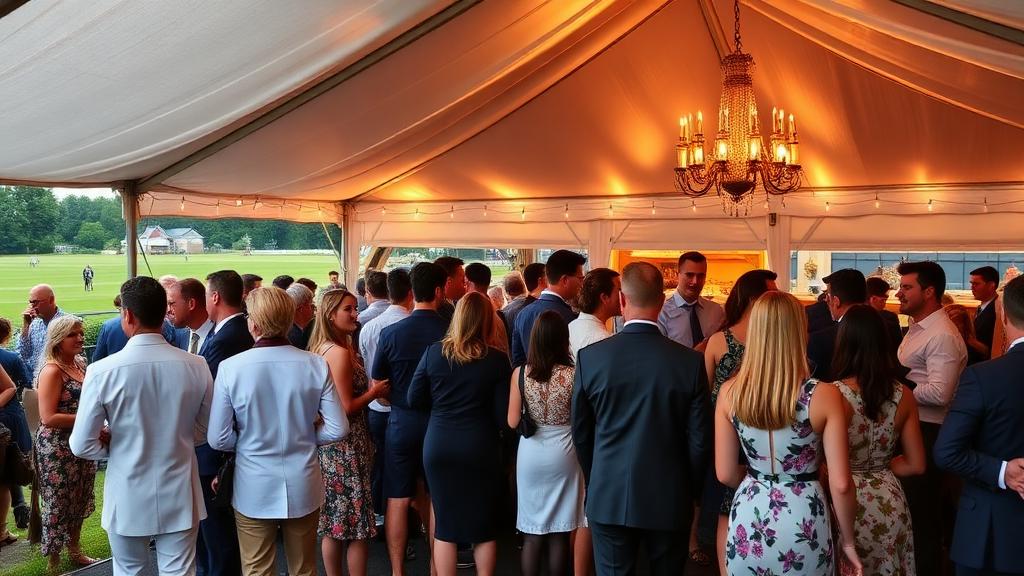
Ticket-holding, social attendance, and post-match hospitality are major elements of the All-Ireland week. Like many Irish sporting events, the social dimension is as important as the competitive one.
Costs of Playing Polo in Ireland
Ireland is broadly comparable to the UK in cost structure:
Ireland's natural advantage in horse management — abundant grass, experienced equine professionals, and a deep culture of horse care — means horse welfare and condition tends to be excellent, which benefits the quality of polo on offer.
For a full guide to polo costs internationally, see our [costs of polo](/costs) page.
Cross-Border Play: Republic of Ireland and Northern Ireland
The partition of Ireland creates an interesting sporting geography for polo. Several Northern Irish clubs — primarily in County Down and County Antrim — participate in both HPA (UK) and Polo Ireland structures.
The traditional all-island championship framework (reflected in the "All-Ireland" branding) creates natural cross-border sporting relationships. Northern Irish clubs regularly compete in Republic-based tournaments and vice versa, with few practical difficulties beyond the administrative distinction between Polo Ireland and HPA handicapping.
This cross-border polo culture is a genuinely warm and collegial aspect of Irish polo — the sport operates as a practical all-island community in a way that is uncommon in more politicised areas of Irish-British sporting life.
Cultural Notes
Playing polo in Ireland comes with some cultural specifics worth knowing:
How to Get Started in Ireland
1. **Contact Polo Ireland**: The governing body maintains a list of all affiliated clubs and can direct you to the nearest club with a suitable programme for your level.
2. **Join the All Ireland Polo Club**: For Dublin-based players, the AIPC is the natural starting point. The club's development programme welcomes new members.
3. **Book a lesson at a polo school**: The AIPC and several regional clubs offer polo school sessions for beginners, typically during May and June.
4. **Attend a major tournament as a spectator first**: The All-Ireland week is an excellent introduction to Irish polo culture before you commit to playing.
For information on polo clubs in Ireland and internationally, see our [polo clubs](/clubs) directory. For travel-focused polo information, see our [travel guide](/travel).
FAQs
Is polo popular in Ireland?
It is a niche but well-established sport in Ireland, with a devoted community and a long history. It sits alongside show jumping, eventing, and racing in Ireland's rich equestrian culture.
Do I need experience to join an Irish polo club?
No. Most Irish clubs welcome complete beginners. The AIPC and other clubs offer beginner programmes that start from the fundamentals.
What is the All Ireland Polo Club's address?
Phoenix Park, Dublin 8. The club is located within the Park, adjacent to the Phoenix Park Visitor Centre.
Is polo in Northern Ireland governed differently?
Yes — Northern Irish clubs fall under the HPA (UK) for handicapping and regulatory purposes, while many also participate in Polo Ireland's tournament circuit.
What are the best months to visit Ireland for polo?
June, July, and August offer the peak season and the best chance of reasonable weather.
Can I bring my own horse to Ireland?
Yes, with appropriate equine health documentation. EU equine health certificates apply within the Republic; DEFRA requirements apply for movement to/from Northern Ireland and Great Britain.
Is Irish polo expensive?
Mid-range by European standards. Horse hire and club membership costs are comparable to the UK, but Ireland's strong equestrian infrastructure provides good value relative to cost.