Polo in Kenya: African Safari Polo and the Nairobi Scene
A full guide to polo in Kenya — the Nairobi Polo Club, safari polo events, unique African polo culture, seasonal conditions, costs, and how to experience one of the world's most extraordinary polo destinations.
Polo in Kenya: African Safari Polo and the Nairobi Scene
Kenya occupies a unique position in global polo — a country where the sport has been played since the colonial era, where polo grounds are set against the backdrop of African savanna and highland scenery, and where the sport increasingly intersects with the country's thriving luxury safari tourism industry. Polo in Kenya is unlike polo anywhere else in the world, combining serious competition with an environment of extraordinary natural beauty and cultural richness.
History of Polo in Kenya
Polo arrived in Kenya during the British colonial period, brought by officers and settlers in the early twentieth century. The sport took root in the White Highlands — the fertile farmland around Nairobi, the Rift Valley, and the Laikipia plateau — where the mild altitude climate (Nairobi sits at 1,700 metres) and abundant land made polo establishment straightforward.
Several families with long connections to Kenyan farming and ranching — many still active in the sport today — established polo as a genuine cultural tradition in the country. Unlike many post-colonial nations where the sport diminished after independence, Kenyan polo survived and grew through active participation from both the established farming community and later waves of investment from the tourism and corporate sectors.
Nairobi Polo Club
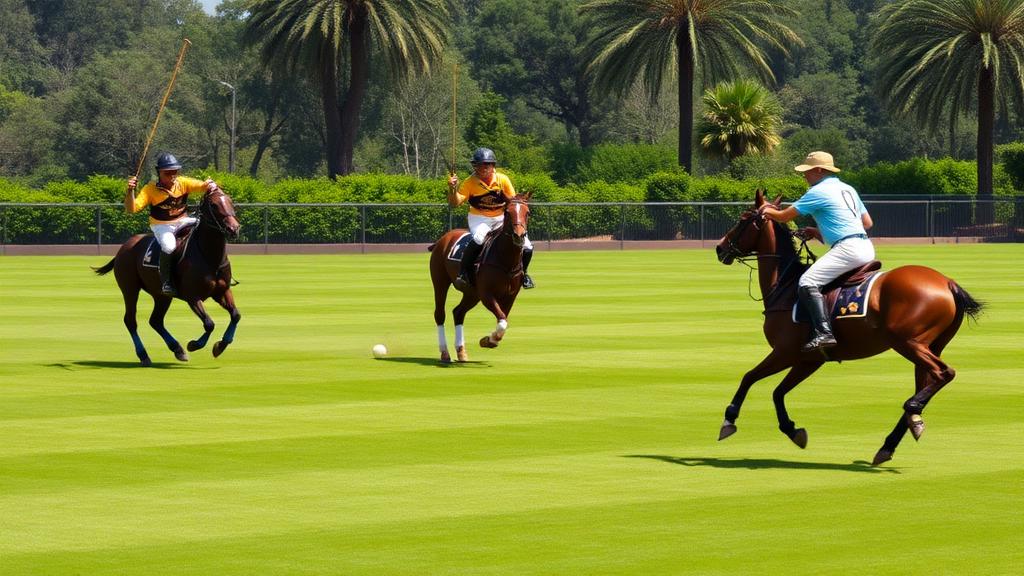
The Nairobi Polo Club (NPC) is Kenya's primary polo institution. Located within striking distance of the city centre, the club operates multiple grass fields on the outskirts of Nairobi with views toward the Ngong Hills.
The NPC:
The club is known for its welcoming atmosphere toward visiting players and tourists. Unlike some polo clubs that are difficult to access for non-members, the NPC actively engages with polo tourism, understanding it as a valuable part of Kenya's high-end travel offering.
Other Kenyan Polo Venues
Laikipia Plateau
The Laikipia plateau north of Nairobi is one of Kenya's most celebrated conservation areas — home to significant wildlife including elephant, lion, and rhino on vast private conservancies. Several of these conservancies have polo grounds, and safari polo events on the Laikipia are genuinely extraordinary experiences.
Playing polo with wildlife visible on the horizon is not merely a tourist gimmick — these events take place on serious, well-maintained grounds. Some of the best horsemanship in Kenya is associated with the Laikipia ranching community.
Karen and Langata (Nairobi Suburbs)
The Karen and Langata areas south of Nairobi — historically the most affluent residential suburbs, named in part after Karen Blixen of "Out of Africa" fame — contain several private polo grounds associated with prominent Kenyan polo families. These are not generally accessible to casual visitors but contribute to the depth of the Nairobi polo scene.
Nanyuki Polo Club
Nanyuki, at the foot of Mount Kenya, operates a polo club with spectacular highland scenery. The altitude here is even higher than Nairobi (approximately 1,950 metres), and the backdrop of Mount Kenya provides one of polo's most dramatic settings. The club hosts an annual tournament calendar and is closely connected to the Laikipia polo community.
Governing Body
Kenyan polo is governed by the **Kenya Polo Association (KPA)**, which is affiliated with the FIP. The KPA manages:
The Kenyan Polo Season
Kenya's proximity to the equator (Nairobi is just south of 1°S) means there is no winter closure — polo is played year-round. The primary determinants of seasonal rhythm are the rains:
The June to September window is generally considered the best for polo tourism in Kenya — it coincides with the Great Wildebeest Migration in the Masai Mara, making combination polo and safari trips particularly compelling.
Safari Polo Events
The intersection of polo and safari tourism is Kenya's unique contribution to global polo culture. Safari polo events typically:
These events have been instrumental in raising Kenya's profile in global polo tourism and in generating revenue that supports the domestic polo infrastructure.
Costs of Polo in Kenya
Costs vary significantly between the Nairobi club scene and the luxury safari polo sector:
**Nairobi Polo Club (club-level costs)**:
**Safari polo events**:
These costs make Nairobi polo one of the more affordable competitive circuits for visiting players, while the safari polo sector occupies the premium market.
For more on polo costs globally, see our [costs of polo](/costs) page.
Top Tournaments
Kenya Open Polo Championship
Kenya's flagship annual tournament, typically held during the dry season (January-March or July-August). Competition is at the mid-[goal](/glossary/goal) level, drawing teams from across East Africa and visiting international teams.
The Safari Cup
A prestigious event combining polo competition with game viewing and luxury hospitality, held at a rotating venue among the private conservancies. The Safari Cup has become one of Africa's most celebrated polo events.
East Africa Polo Cup
A regional competition involving Kenya, Uganda, Tanzania, and Zimbabwe. Held in rotation between member nations, it is the primary pan-regional polo competition and determines East African representation at FIP continental events.
Cultural Notes
Playing polo in Kenya comes with cultural dimensions worth understanding:
How to Get Started in Kenya
1. **Contact the Nairobi Polo Club**: The NPC welcomes enquiries from visiting players and tourists. They can advise on horse availability, guest membership, and upcoming tournaments.
2. **Book a safari polo event**: Several Kenya-based tour operators and polo travel specialists offer packages combining polo with safari. These are ideal for non-players or occasional players seeking the full Kenyan experience.
3. **Bring your [handicap](/glossary/handicap) certificate**: Your national association handicap is recognised by the KPA through FIP affiliation. Bring documentation.
4. **Plan for altitude**: Nairobi's altitude (1,700m) means acclimatisation for 48 hours before strenuous exercise is advisable for players arriving from sea level.
For international polo clubs and travel resources, see our [polo clubs](/clubs) directory and [travel guide](/travel).
FAQs
Is it safe to play polo in Kenya?
Yes. Nairobi's polo facilities are well-secured. Safari polo events take place in carefully managed private conservancy environments with professional security protocols.
Can I see wildlife during polo matches in Kenya?
At Laikipia and Masai Mara-area safari polo events, wildlife sightings adjacent to the polo ground are common. Giraffes, zebra, and various antelope regularly graze near polo grounds in the Laikipia region.
What level of player is suited to Kenyan polo?
The NPC and Nanyuki welcome players from beginner (-2) to mid-goal level. Safari polo events are accessible to occasional or beginner players in a supervised environment.
What are the best months to combine polo and safari in Kenya?
July and August offer excellent polo conditions and the peak of the Great Migration in the Masai Mara — ideal for combination trips.
Do I need vaccinations to visit Kenya?
Standard travel vaccinations for Kenya apply (yellow fever, hepatitis A/B, typhoid, malaria prophylaxis). Consult your travel health clinic before visiting.
Are horses available for hire at the NPC?
Yes. The NPC maintains horses for member and guest use. Advance booking is recommended, particularly during peak tournament season.