Polo in the Netherlands: Dutch Polo's Quiet Growth
The Netherlands has developed a steady polo scene built on a mix of Dutch equestrian tradition, international connections, and a growing leisure sports culture.
Polo in the Netherlands: Dutch Polo's Quiet Growth
The Netherlands may not be the first country that comes to mind when polo is mentioned, but Dutch polo has been quietly growing for decades. Built on a strong equestrian foundation — the Netherlands is one of the most horse-dense countries in Europe per capita — and connected to the broader Continental European polo circuit, Dutch polo offers a well-organised, internationally connected experience in a country renowned for its accessibility and quality of life.
This guide covers the Dutch polo landscape, its history and current club structure, the seasonal calendar, and practical advice for visiting players and spectators. For a broader overview of international polo, see our [clubs directory](/clubs) and [international polo](/learn) resources.
Dutch Equestrian Culture as the Foundation
To understand polo in the Netherlands, it is necessary to understand the Dutch relationship with horses more broadly. The Netherlands has a world-class equestrian culture spanning dressage (the Netherlands regularly competes at the highest international levels), showjumping, driving, and traditional agricultural horse keeping. This foundation provides a deep pool of horsemanship knowledge, horse supply, and equestrian facility infrastructure that polo can draw from.
The Dutch polo community is relatively small but consistently high-quality in terms of horsemanship standards — a direct reflection of this national equestrian culture.
History of Dutch Polo
Polo arrived in the Netherlands through the same route as most European polo — via British military and aristocratic connections in the late nineteenth and early twentieth centuries. The sport established a foothold among the Dutch upper class and maintained a presence through the twentieth century, though the Dutch scene was always modest in scale compared to France, Switzerland, or Germany.
The modern growth phase in Dutch polo began in the 1990s and 2000s, mirroring the pattern seen across Continental Europe as the sport expanded beyond its traditional aristocratic base into a broader affluent leisure class.
The Dutch Polo Club Landscape
Polo Club The Hague (Den Haag)
The Hague, as the seat of Dutch government and home to many international organisations and diplomatic missions, provides a natural community for polo. The Hague polo scene reflects the city's international character — a mix of Dutch players and an international community.
Amsterdam Region
The greater Amsterdam area supports polo activity, with clubs accessible from the capital serving both Dutch urban professionals and the international business community that Amsterdam's global commercial status attracts.
Rural Gelderland and Noord-Brabant
The agricultural provinces of Gelderland and Noord-Brabant, with their established equestrian infrastructure and large private estates, host several of the Netherlands' more discreet polo operations — private clubs or estate-based polo that is less publicly visible but accounts for a meaningful share of Dutch polo activity.
The Dutch Polo Federation
Dutch polo is organised under the Koninklijke Nederlandse Hippische Sportfederatie (KNHS), which governs equestrian sports in the Netherlands. The KNHS maintains [handicap](/glossary/handicap) records and coordinates with the European polo community.
Dutch handicaps are compatible with the European system, allowing Dutch-rated players to participate in continental events without additional certification. For information on the handicap system, see our [handicap guide](/handicap).
The Dutch Polo Season
The outdoor polo season in the Netherlands runs from May to September, with the peak tournament months being June, July, and August. Ground conditions in the Netherlands can be excellent in dry summers, though the maritime climate means wet periods are common.
[Arena polo](/glossary/arena-polo) and indoor polo extend the active season into the winter months. The Netherlands' flat landscape and well-drained agricultural land make ground preparation relatively straightforward compared to more complicated terrain elsewhere.
The International Connection
Dutch polo benefits from excellent international connectivity:
**Germany**: Dutch clubs participate in the German polo circuit, with multiple major German tournaments within a two to four hour drive from most Dutch clubs.
**Belgium**: Cross-border polo between Dutch and Belgian clubs is regular and natural.
**UK**: The Eurostar and direct flights make UK polo accessible for Dutch players who want to experience the British season.
**Rest of Continental Europe**: The Netherlands' central European geography makes it a natural hub for Continental polo tourism.
Polo in Dutch Society
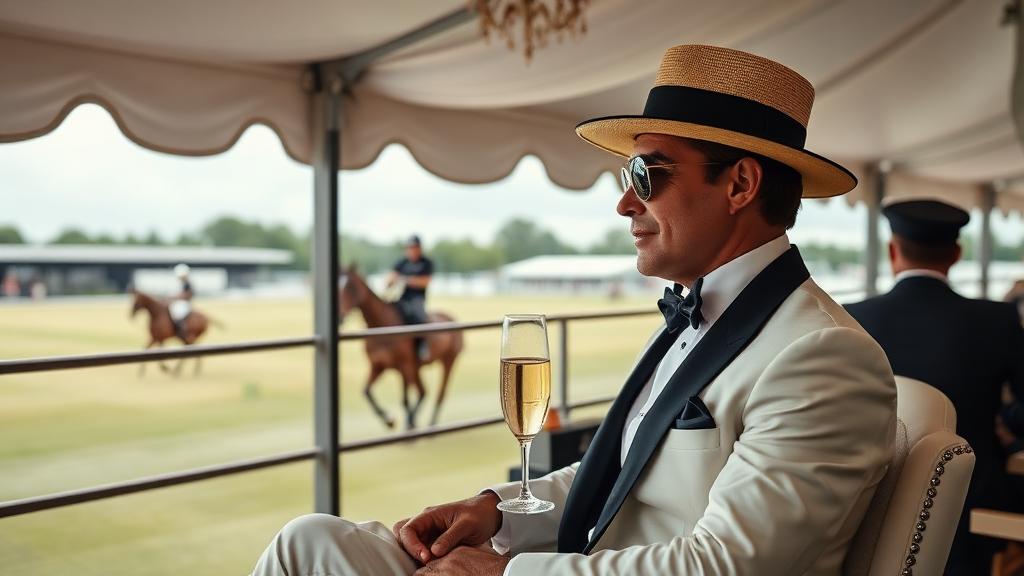
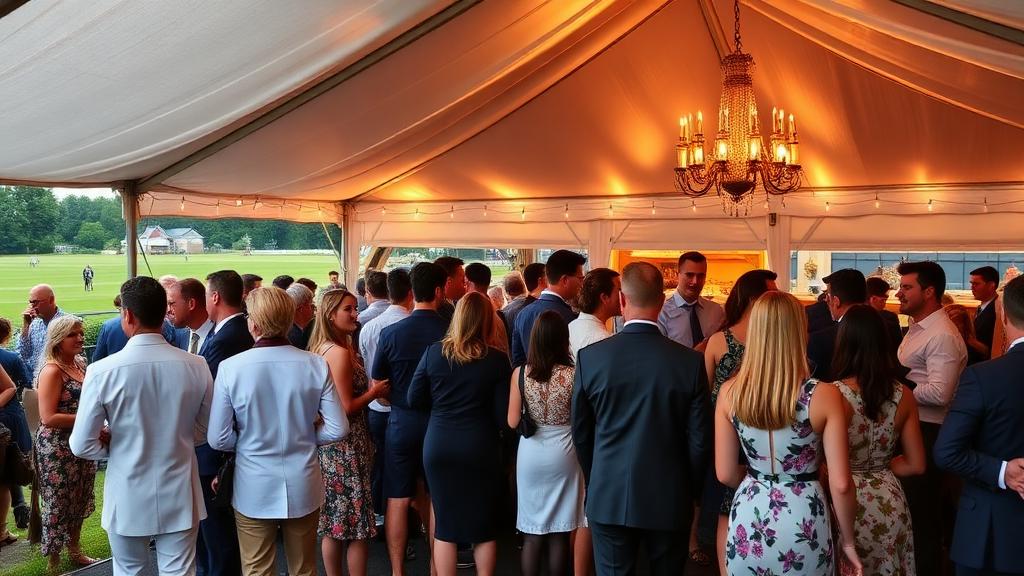
Polo in the Netherlands occupies a niche at the intersection of equestrian sport and leisure luxury. The Dutch approach to polo, like their approach to many areas of life, tends toward pragmatism and quality over ceremony. Social events around polo matches are typically less formally stratified than in the UK — polo in the Netherlands is a sport enjoyed by its participants first, with social occasion as a welcome supplement.
The Dutch affinity for bicycles and outdoor life means that polo spectating — particularly for summer events on large estates — fits naturally into an outdoor leisure culture.
Visiting Dutch Polo
For polo players visiting the Netherlands:
**Accessibility**: The Netherlands has one of Europe's most efficient transport networks. Amsterdam Schiphol is a major international hub. Intercity trains reach most of the country within two hours.
**Language**: English is spoken to a very high standard throughout the Netherlands — arguably the highest English proficiency of any non-English-speaking country. Polo visitors will experience no language barrier whatsoever.
**Accommodation**: Excellent options at all price levels. Amsterdam offers world-class hotel and apartment options; rural estate areas near polo clubs often have smaller hotels and B&Bs in attractive Dutch countryside settings.
**Cost**: The Netherlands is a moderately expensive country by Western European standards — comparable to Belgium and Germany, less than Switzerland or Norway.
For Visiting Players
Contact Dutch clubs well in advance — typically four to eight weeks before a proposed visit — via national federation contact points or club websites. Requirements are similar to other European countries:
Frequently Asked Questions
Is Dutch polo growing?
Yes, moderately. The Netherlands has seen steady growth in polo participation over the past two decades, reflecting both the broader European trend and the strength of the national equestrian culture.
What level of polo is played in the Netherlands?
Most Dutch polo is in the 0 to 6 [goal](/glossary/goal) tournament range. The Netherlands has produced players who compete internationally at higher levels, but the domestic scene is primarily a medium-goal environment.
Is polo in the Netherlands predominantly Dutch players or international?
A mix of both. International business communities in Amsterdam and The Hague contribute a significant international player population. Rural clubs tend to have more Dutch players; urban and estate-based clubs near major cities tend to be more international.
What is the best time of year to visit for polo?
July and August offer the most reliable weather and the highest concentration of tournament activity.
Are spectators welcome at Dutch polo matches?
Yes. Most clubs are welcoming to spectators, particularly for tournament finals and open days. Check club websites for event calendars.
Is Dutch polo family-friendly?
Generally yes. Dutch outdoor sporting culture is welcoming to families, and polo events at Dutch clubs typically have a relaxed atmosphere appropriate for all ages.