Polo in Pakistan: Where Polo Began
Pakistan's polo heritage stretches back centuries to the Gilgit-Baltistan region, where the sport's wildest and most ancient form — freestyle polo — is still played today.
Polo in Pakistan: Where Polo Began
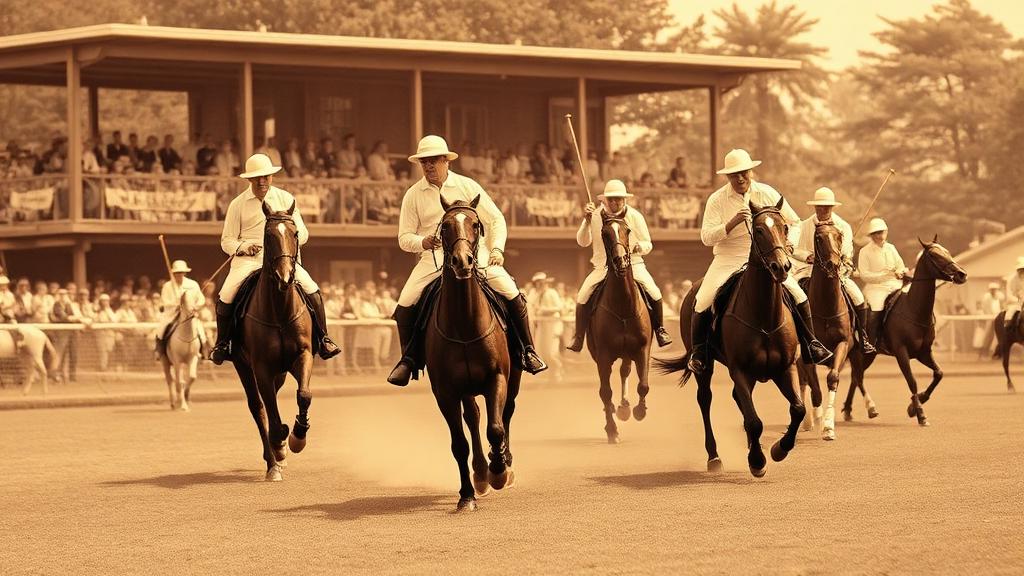
Pakistan holds a singular distinction in the polo world: it is home to the region where polo, in its most ancient form, has been played continuously for centuries. While the modern codified sport was shaped in 19th-century India and England, the raw, exhilarating game played in Pakistan's northern mountains is the closest living connection to polo's origins.
The Birthplace: Gilgit-Baltistan and Chitral
The high valleys of Gilgit-Baltistan and the Chitral district of Khyber Pakhtunkhwa are polo's ancestral homeland. Here, in mountain valleys surrounded by peaks exceeding 7,000 metres, polo has been played for an estimated 600+ years — possibly much longer.
Freestyle Polo: The Original Game
The polo played in northern Pakistan is dramatically different from the sport codified by the Hurlingham Polo Association. Known locally as **"freestyle polo"** or **"shandur polo"**, it features:
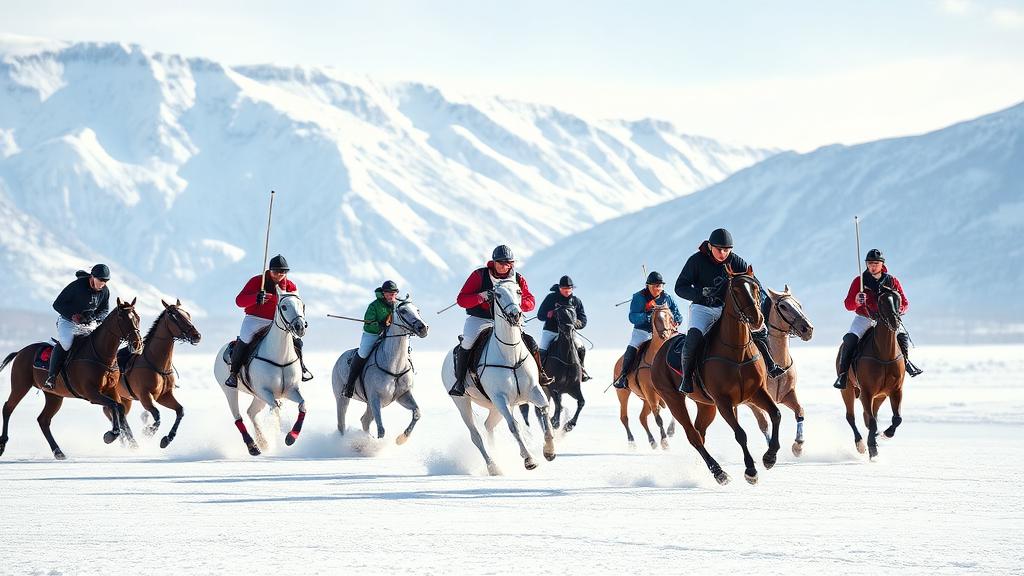
The most famous venue is the **Shandur Pass** (3,700m / 12,200ft), where the annual **Shandur Polo Festival** pits teams from Gilgit-Baltistan against Chitral. This event, held every July, is one of the highest-altitude sporting events in the world and draws thousands of spectators who trek or fly into the remote mountain pass.
The atmosphere is extraordinary. With music playing, dust swirling, and riders charging at full gallop on a narrow field flanked by mountain peaks, Shandur polo is as close to polo's original spirit as anything played on earth.
Modern Polo in Pakistan
Alongside this ancient tradition, Pakistan maintains a robust modern polo scene governed by the **Pakistan Polo Association (PPA)**, which follows international rules and competes in FIP events.
Key Centres
**Lahore**: The cultural capital is the headquarters of modern Pakistani polo. The **Lahore Polo Club** is one of the oldest clubs in Asia, and the **Lahore Polo Ground** is the venue for Pakistan's highest-profile tournaments. Lahore polo attracts Pakistan's business elite and military officers.
**Islamabad/Rawalpindi**: The capital region supports several clubs, with military involvement particularly strong. The **Rawalpindi Polo Ground** hosts regular tournaments.
**Gilgit**: The administrative capital of Gilgit-Baltistan has polo grounds that serve both freestyle and modern polo. The **Gilgit Polo Ground** — surrounded by mountains and claimed to be one of the oldest polo grounds in the world — is a must-visit for polo historians.
**Peshawar**: The frontier city has a polo tradition linked to the military and tribal heritage of the Pashtun people.
The Military Connection
The Pakistan Army is the single largest institutional supporter of polo in the country. Military polo teams are among the strongest in Pakistan, and many of the country's top players are serving officers. The **Corps of Engineers**, **Cavalry**, and **Special Services Group** all maintain polo teams and horses.
This military involvement provides institutional support — facilities, horses, and structured competition — that civilian clubs alone might struggle to sustain. It also ensures a steady stream of skilled riders, as military officers from equestrian backgrounds are encouraged to play.
Horse Breeds
Pakistani polo uses several horse types:
Competition Calendar
Pakistan's polo season runs from **March to November**, with major events including:
Costs
Pakistani polo is among the most affordable in the world:
These low costs mean polo in Pakistan, while still an elite sport, is more accessible than in almost any other country.
Challenges
The Dual Soul of Pakistani Polo
Pakistan's polo scene has a dual character that makes it unique in the world. In Lahore and Islamabad, you'll find modern polo that would be recognisable at any club in England or Argentina — manicured grounds, professional umpires, and international rules. Travel north to Shandur or Gilgit, and you'll find something far older and wilder — a game played the way it has been for centuries, with an energy and atmosphere that modern polo, for all its sophistication, cannot quite replicate.
Both versions are authentically Pakistani. Together, they make Pakistan one of the most fascinating polo countries on earth.