Polo in Peru: Andes Polo and Lima's Growing Scene
A full guide to polo in Peru — Lima Polo Club, the unique altitude challenges of Andean polo, Peruvian clubs, costs, the national season, and how to experience one of South America's most distinctive polo destinations.
Polo in Peru: Andes Polo and Lima's Growing Scene
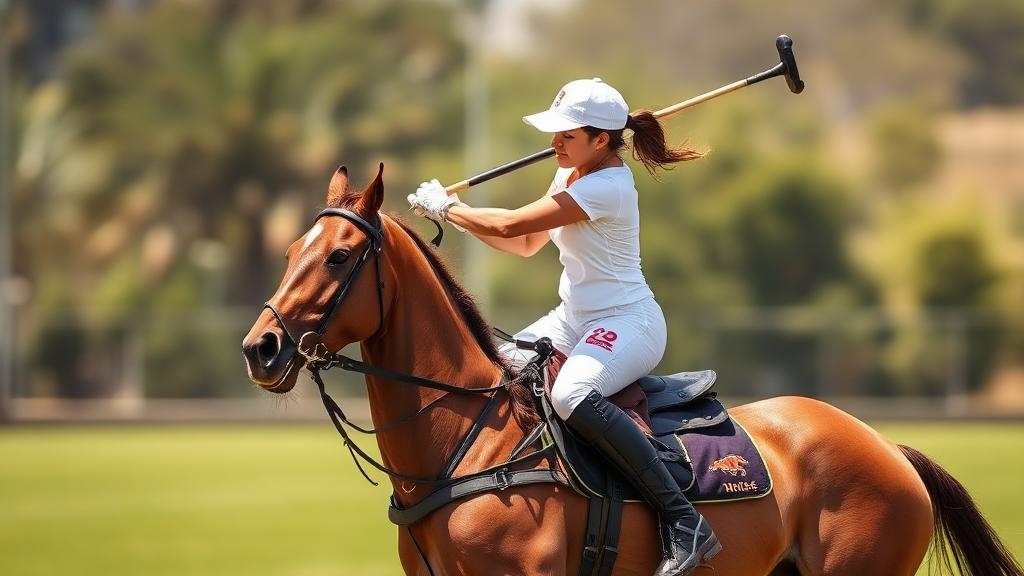
Peru is one of South America's best-kept polo secrets. While the country sits in the shadow of neighbouring Argentina and Chile in regional polo terms, the Peruvian polo scene has genuine depth, a distinctive cultural character, and the unique dimension of altitude — polo played at elevations that challenge horse and rider in ways found nowhere else in the mainstream polo world. For adventurous polo players seeking a South American polo experience beyond the Buenos Aires circuit, Peru is a genuinely rewarding discovery.
The State of Polo in Peru
Polo in Peru is governed by the **Federación Peruana de Polo (FPP)**, which is affiliated with the FIP. The FPP manages player handicapping, tournament organisation, club standards, and Peru's international representation.
The Peruvian polo community is approximately 200 to 400 active players, concentrated primarily in Lima and the coastal valleys. The sport has a social history connected to Peru's landowning class, with strong roots in the hacienda culture of the coastal and highland regions. Modern Peruvian polo is evolving to include a broader social base, driven by growing affluence in Lima and increasing international exposure.
Lima Polo Club
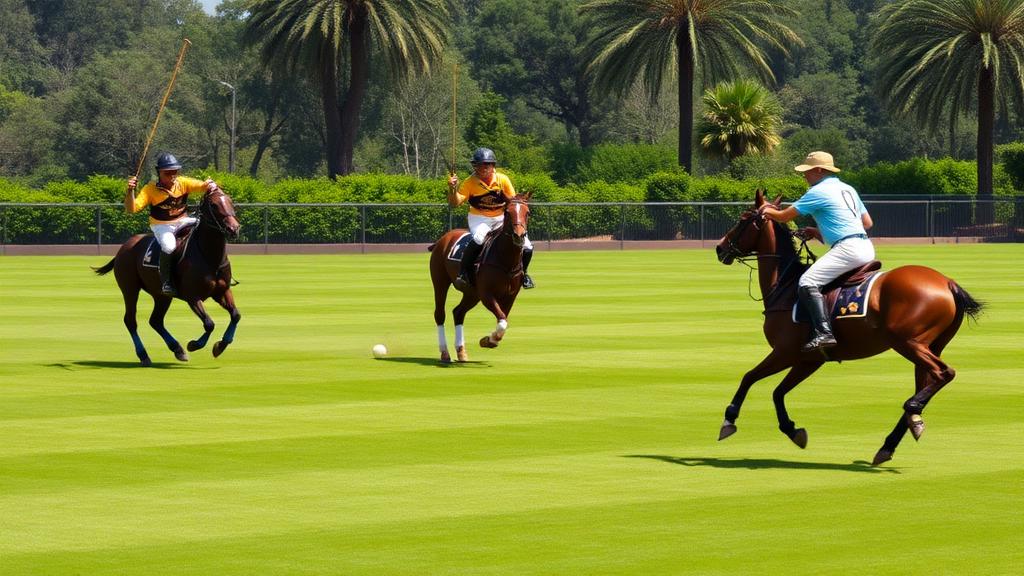
The Lima Polo Club is Peru's primary polo institution. Located in the La Molina district of Lima — the city's most prestigious residential and academic suburb — the club operates on quality grass fields and runs a full competitive programme.
Lima's climate is unusual: despite sitting at sea level, Lima is extremely arid (it rarely rains) and often grey due to the garúa (coastal fog) that covers the city for much of the year. This means:
The Lima Polo Club:
Other Polo Operations in Peru
Arequipa (2,335 metres above sea level)
Peru's second city sits in the southern Andes at 2,335 metres — a level at which altitude effects on horses and players are clearly noticeable. A small polo community operates in the Arequipa region, primarily connected to the agricultural families of the Colca Valley area. Polo at this altitude requires careful horse acclimatisation and reduced [chukka](/glossary/chukka) duration.
Cusco Region (3,400 metres above sea level)
Cusco — the historic Inca capital and Peru's most visited tourist destination — has inspired attempts at what is genuinely the highest-altitude polo in the world. Occasional polo matches have been played in the Cusco region and the Sacred Valley (approximately 2,800 to 3,400 metres) as extraordinary one-off events combining polo tourism with the world's most dramatic Andean scenery.
These are not regular club polo operations. They require horses specifically bred and conditioned for very high altitude, are typically short matches of two chukkas maximum, and should be approached only by experienced polo players and equestrians fully acclimatised to altitude.
Trujillo
The northern coastal city of Trujillo, Peru's third largest, has a polo community connected to the fertile Chicama Valley agricultural zone. Trujillo polo operates at sea level with a warm coastal climate, offering conditions more similar to Lima than to the highland operations.
Governing Body: Federación Peruana de Polo
The FPP:
The Peruvian Polo Season
Lima's year-round climate means the Lima-based polo calendar operates continuously, with only minor seasonal adjustments:
Unlike countries with genuine winters, Peru's polo season has no true off-season — it's a year-round sport at the Lima club level.
Altitude Challenges in Peruvian Polo
Altitude management is a central concern for polo at any Peruvian highland venue:
Effects on Horses
At elevations above 2,000 metres, horses experience:
Protocols for highland polo in Peru (and by extension for any high-altitude polo globally) include:
Effects on Players
Human acclimatisation to altitude follows a similar but faster trajectory than horses:
Costs of Polo in Peru
Peru offers excellent value by South American standards — significantly more affordable than Argentina's premium circuits and comparable to Uruguay's club level:
Lima Polo Club costs are at the upper end of this range; provincial operations are typically significantly cheaper.
For an international cost comparison, see our [costs of polo](/costs) page.
Top Tournaments
Campeonato Nacional Peruano de Polo
Peru's national open polo championship, typically held in the autumn season (April-June). Competition is at the mid-[goal](/glossary/goal) level (8 to 14 goals combined), drawing Peru's best teams and occasional visiting sides from Argentina and Chile.
Copa Lima
A prestigious annual tournament at the Lima Polo Club, typically at 8 to 10 goals. Well-regarded within the South American regional circuit.
Panamerican Polo Circuit Events
Peru participates in the FIP Panamerican regional circuit, which provides competitive opportunities against Chile, Bolivia, Ecuador, Colombia, and Venezuela. Peru has historically been competitive within this regional bracket, though Argentina, Uruguay, and Brazil operate at significantly higher goal levels.
Cultural Notes
Polo in Peru has cultural dimensions worth understanding:
How to Get Started in Peru
1. **Contact the FPP or Lima Polo Club directly**: Both can provide current information on playing opportunities for visiting players. Email communication in Spanish or English is typically workable.
2. **Book through a polo travel specialist**: Several South America-focused polo travel operators can arrange Lima polo packages.
3. **Acclimatise before highland polo**: If you intend to play at Arequipa or Cusco, add a minimum of 3 to 5 days acclimatisation in Lima (or another intermediate altitude) before high-altitude play.
4. **Arrange horse hire in advance**: With a smaller horse pool than Argentina or Brazil, advance booking for visiting players is essential.
For international polo clubs and travel resources, see our [polo clubs](/clubs) directory and [travel guide](/travel). For information on [tournaments](/tournaments) in South America, see our tournament calendar.
FAQs
Is Peru a good polo destination?
For adventurous players interested in South American polo outside the mainstream Argentine circuit, Peru offers excellent value, good club polo, and a uniquely dramatic natural and cultural setting.
How high is polo in Cusco?
Cusco sits at approximately 3,400 metres above sea level. This is at the extreme end of viable polo altitude. Occasional matches have been held at these heights but are extraordinary events, not regular club polo.
What is Lima's polo scene like?
Lima Polo Club offers a well-organised, year-round polo programme on quality grass fields in a prestigious city location. The club is welcoming to visiting players.
Do I need to speak Spanish to play polo in Peru?
Basic Spanish is very helpful. English proficiency at Peruvian clubs is limited compared to, say, Hong Kong or Ireland. International tournament events typically have English-speaking staff.
What [handicap](/glossary/handicap) level is needed for Peruvian national tournaments?
The national championship operates at combined team handicap levels of 8 to 14. Individual handicaps of 0 to 4 are appropriate for the competitive level of most Peruvian club polo.
Is it safe to bring my own polo horse to Peru?
In principle yes, with appropriate documentation and pre-approval from Peru's agricultural and veterinary authority (SENASA). Logistics are more complex than in Europe or North America and should be planned well in advance.
Can I combine polo with Machu Picchu tourism?
Absolutely. Lima polo combined with a Cusco/Machu Picchu excursion is a natural combination. Note that you should not expect to play polo on the same trip as a Machu Picchu visit if it involves altitude — allow adequate acclimatisation time and keep polo and very high altitude sightseeing as separate phases of your trip.