Polo in Sweden: Nordic Polo and the Stockholm Scene
Sweden has built a distinctive polo scene shaped by its Nordic climate, strong equestrian culture, and a Stockholm-centred community with international ambitions.
Polo in Sweden: Nordic Polo and the Stockholm Scene
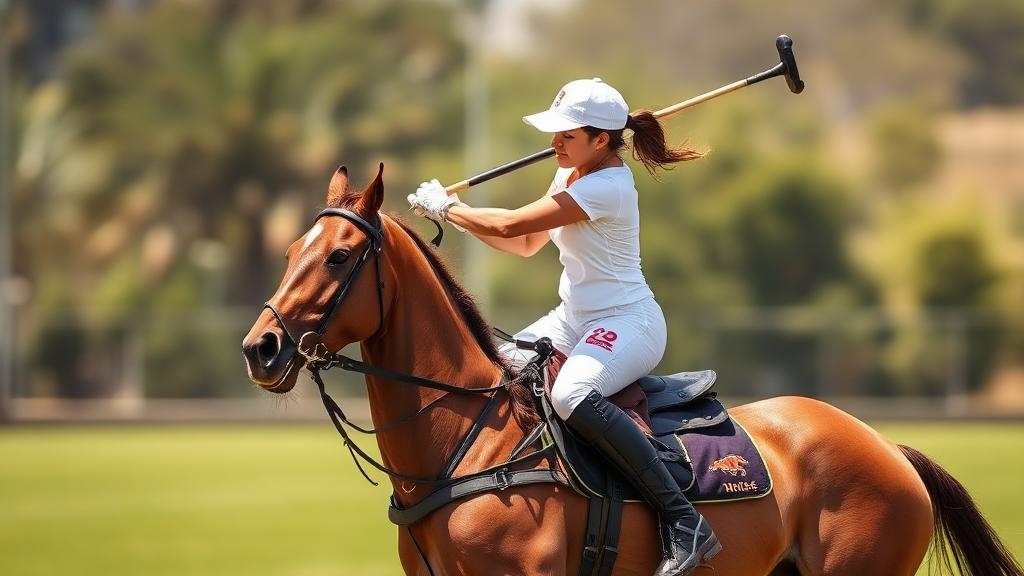
Polo in the Nordic countries defies the assumption that the sport is exclusively a warm-weather pursuit. Sweden, with its long summer days, world-class equestrian infrastructure, and a affluent cosmopolitan community centred on Stockholm, has developed a polo scene that is genuinely impressive given the country's relatively small population and challenging winter climate.
This guide explores Swedish polo history, the current landscape of clubs and tournaments, how the Nordic climate shapes the season, and what visiting players and spectators can expect. For broader international polo context, see our [clubs directory](/clubs) and [international polo](/learn) resources.
Nordic Polo: Climate as an Opportunity
The most immediately obvious fact about Swedish polo is the seasonal constraint. Outdoor polo is viable from May to September — in some years, a brief window into early October in the southern parts of the country. Winter polo in Sweden requires indoor arenas, and there is an active indoor polo culture that sustains the community through the long Nordic winter.
What Sweden's climate provides in compensation is extraordinary: Swedish summers offer long daylight hours — Stockholm has 18+ hours of daylight in late June — which means polo can be played in the evening in conditions of full light that would be impossible in any other season. This creates a distinctive summer polo experience unique to Scandinavian polo.
Swedish Equestrian Culture
Sweden has one of the strongest equestrian traditions in Northern Europe. Swedish show jumping and dressage have historically competed at world championship level, and there is an extensive network of riding schools, equestrian clubs, and horse breeding operations throughout the country. Horse ownership rates in Sweden are among the highest in Europe per capita.
This cultural and infrastructural foundation gives Swedish polo access to high-quality horses, experienced riders with strong foundational horsemanship, and an established network of equestrian facilities that polo can operate within.
The Stockholm Polo Club
The Stockholm Polo Club is the centre of Swedish polo. Based in and around the Stockholm region — which concentrates the majority of Sweden's wealthy and internationally-connected population — the club drives the national competitive calendar and represents Sweden in international polo forums.
Stockholm's polo community draws from the city's business elite, international expatriate community (Stockholm hosts major international corporations), and the equestrian sport community. This mix creates a cosmopolitan polo environment that is more internationally oriented than the club's relatively small size might suggest.
Other Swedish Polo Activity
Beyond Stockholm, polo activity in Sweden is concentrated in the south of the country, where the climate is mildest and equestrian infrastructure is most developed:
**Gothenburg region**: Sweden's second city has supporting polo activity, with players commuting between the Gothenburg equestrian community and Stockholm events.
**Malmö/Skåne region**: The southernmost province of Sweden, Skåne, benefits from the mildest Swedish climate and the flattest agricultural land — conditions well-suited to polo grounds. The proximity to Denmark (connected by the Øresund Bridge) also creates natural links to Danish polo.
**Private estate polo**: Like many European countries, a meaningful portion of Swedish polo occurs at private estate level — not publicly visible but contributing to the overall pool of players and horses.
The Swedish Polo Season
**May**: Season opening. Ground conditions are variable, with the risk of late-season frost in northern locations. Southern Sweden is viable earlier.
**June–August**: The peak season. Long daylight hours allow evening polo that is unique to the Nordic context. Tournament concentration in this period.
**September**: Season close. Conditions remain good in the south; northern clubs typically conclude outdoor play.
**October–April**: Indoor/arena polo for committed players. Several equestrian centres in Sweden have indoor arenas suitable for [arena polo](/glossary/arena-polo).
Snow Polo in Sweden
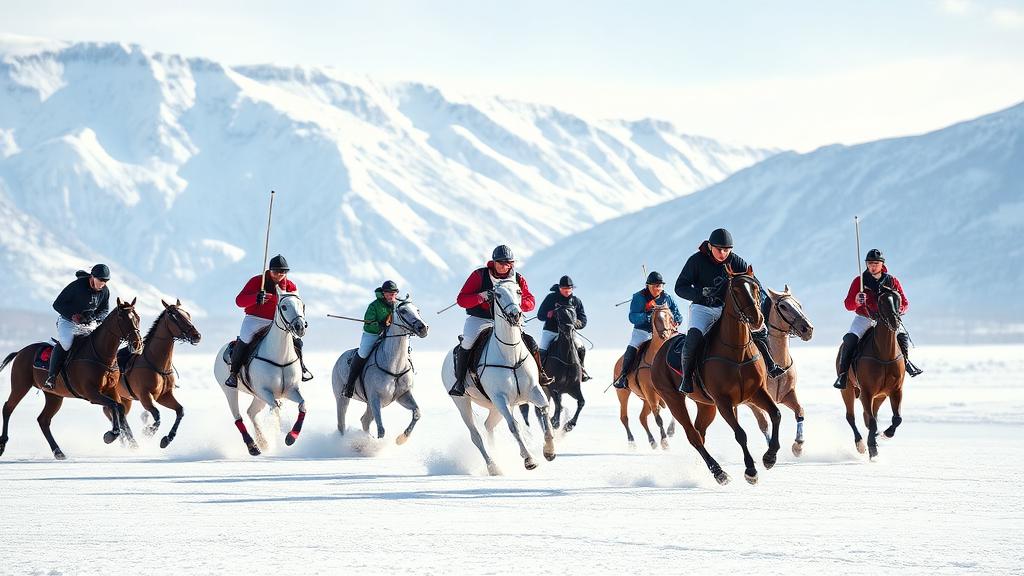
The Nordic climate creates one potential opportunity that warmer climates cannot: snow polo. Sweden has hosted snow polo events — typically in January or February — that take advantage of frozen lakes or snow-covered surfaces. These events are festive and spectacular, blending the polo tradition with winter Nordic landscapes. The polo is adapted (a red ball, slower speeds, modified rules) but the atmosphere is genuinely memorable.
Snow polo events attract spectators beyond the regular polo community and serve as excellent promotional opportunities for the sport in markets where summer polo may feel too remote from daily life. For more on snow polo, see our [snow polo guide](/learn).
Swedish Polo at the International Level
Sweden participates in the European polo community through:
**Continental European circuit**: Swedish clubs and players participate in tournaments across Germany, Denmark, and other European countries.
**European Championships**: Swedish national representation in European federation events.
**Individual professional players**: Some Swedish players have developed careers at international level, competing in Argentina and the major European circuits.
Visiting Sweden for Polo
Stockholm is one of Europe's most beautiful and liveable capital cities, with world-class cultural attractions, restaurant scene, and outdoor activities. For polo visitors:
**Transport**: Stockholm Arlanda airport has excellent international connections. The Swedish rail network, though less dense than Western Europe's, connects major centres efficiently.
**Language**: English proficiency in Sweden is among the highest in the world. Zero language barrier for English-speaking visitors.
**Cost**: Sweden is an expensive country by European standards — accommodation, food, and transport costs are notably higher than Southern Europe. Budget accordingly.
**Summer light**: The long summer days are genuinely extraordinary for visitors not accustomed to Nordic latitudes. Pack eye masks for sleeping if needed.
Frequently Asked Questions
How many polo clubs are there in Sweden?
Sweden has a small number of active polo clubs — typically three to six, with the Stockholm area dominating. The number fluctuates as new clubs develop and others consolidate.
Can I play polo in Sweden during winter?
Yes, through indoor arena polo. Contact Stockholm Polo Club or equivalent about winter indoor polo availability.
What is the highest-[goal](/glossary/goal) polo in Sweden?
Most Swedish polo operates in the 2 to 6 goal tournament range. Higher-goal events are occasionally organised for summer tournaments with international players.
Is Swedish polo accessible for beginners?
Yes. The Stockholm Polo Club and other Swedish clubs offer introductory programmes. The equestrian culture makes riding instruction readily available. See our [learn polo](/learn) guide for getting started.
What is snow polo in Sweden like?
Festive, spectacular, and different from grass polo. The ball is red for visibility, ground conditions are completely different, and the social atmosphere tends to be more festival-like than competition-focused. A memorable experience for polo enthusiasts.
Are there polo schools in Sweden?
Yes, associated with the major clubs. Given Sweden's strong equestrian school network, polo lesson quality is generally high. Contact clubs directly for current programme availability.
Can I bring my own horses to Sweden for polo?
Yes, subject to the standard European animal movement regulations (health certificates, Coggins test, import documentation). Contact the Swedish Board of Agriculture (Jordbruksverket) for current requirements well in advance of planned travel.