Polo in Switzerland: Alpine Polo Beyond St. Moritz
Switzerland offers more than the famous Snow Polo World Cup — discover a year-round polo scene set against the Alps, from lakeside clubs to mountain tournaments.
Polo in Switzerland: Alpine Polo Beyond St. Moritz
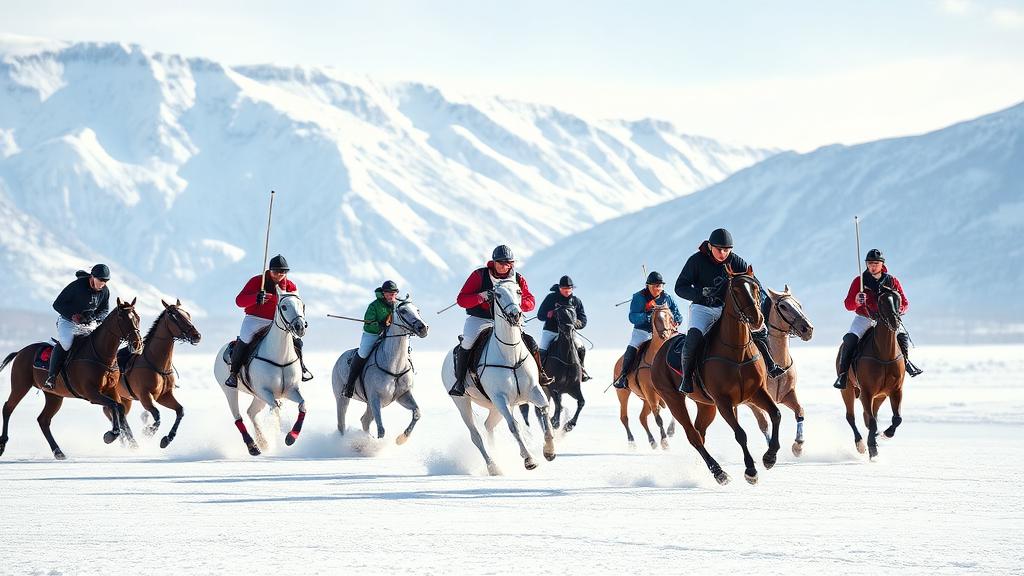
When most people think of Swiss polo, they think of one thing: the **Snow Polo World Cup** in St. Moritz, where horses gallop on a frozen lake at 1,800 metres, surrounded by the Engadin Alps. It's one of the most photogenic sporting events in the world. But Swiss polo is far more than a single spectacular tournament.
Snow Polo: The Flagship
The Snow Polo World Cup St. Moritz, first held in 1985, is the oldest and most prestigious snow polo tournament in the world. Played on a specially prepared frozen lake, it attracts high-[goal](/glossary/goal) teams, luxury brands, and international media attention that most polo tournaments can only dream of.
The event runs in late January, when the lake ice is thickest and the weather — while cold — is typically clear and sunny. Three teams of four compete over a weekend, playing on a field marked out on the frozen lake surface, with snow sprayed onto the ice for traction.
**What makes it special**:
Summer Polo: The Broader Scene
Beyond the January spectacle, Switzerland maintains a year-round polo scene. The summer season (May–October) features regular club play and tournaments at several venues:
Polo Park Zürich
Located near Zurich, this is one of Switzerland's premier summer polo venues. The club hosts tournaments throughout the season and offers facilities for training and social chukkas. Its proximity to Zurich — Switzerland's largest city and financial centre — gives it access to a wealthy, internationally connected membership base.
Veytay Polo Club
Situated on the shores of Lake Geneva, Veytay offers polo with a lake and mountain backdrop. The Riviera-like climate of the Vaud region provides excellent summer playing conditions.
Ascona and Ticino
The Italian-speaking canton of Ticino, with its Mediterranean climate, hosts polo events that combine the sport with the region's food, wine, and cultural offerings. The setting — lakeside grounds surrounded by palm trees and mountain peaks — is distinctly Swiss-Italian.
The Swiss Polo Scene
Switzerland's polo community is small but disproportionately wealthy and well-connected. The country's concentration of high-net-worth individuals, international organisations, and global corporations creates a natural audience for polo.
The playing base numbers perhaps 200–300 active players, but what the community lacks in size, it compensates for in resources. Swiss polo clubs tend to be exceptionally well-maintained, and the tournament calendar attracts international professionals.
Key Characteristics
**Internationalism**: Swiss polo reflects the country's cosmopolitan character. Clubs include Swiss, British, Argentine, French, German, and American players. Several embassies and international organisations in Geneva and Bern maintain informal polo connections.
**Corporate involvement**: Swiss corporations — particularly in finance, luxury goods, and pharmaceuticals — sponsor polo events. This corporate backing provides financial stability and contributes to the high production values of Swiss tournaments.
**Tourism integration**: Swiss polo is deeply integrated with the country's luxury tourism industry. Polo events are designed to attract spectators as much as players, and the après-polo experience is treated with the same seriousness as the sport itself.
Costs
Swiss polo is among the most expensive in the world — unsurprising given Switzerland's general cost of living:
Horse Management
Swiss polo horses are predominantly imported from Argentina and England. The country's excellent veterinary infrastructure and animal welfare standards ensure high-quality horse care. Several Swiss-based horse dealers specialise in polo ponies, sourcing from South America and Europe.
Winter horse management is the unique Swiss challenge. Horses playing in snow polo require specific conditioning and shoeing (with studs for traction on ice). Many snow polo horses are specialists that travel the European snow polo circuit — St. Moritz, Kitzbühel (Austria), and Megève (France).
Beyond Polo
What makes Swiss polo special is the context. Playing polo in Switzerland means playing against a backdrop of Alpine scenery, world-class gastronomy, and a cultural environment that values precision and quality. A day at a Swiss polo tournament is as much about the experience — the setting, the food, the company — as it is about the sport.
For polo tourists, Switzerland offers a unique proposition: combine polo with hiking, skiing (in winter), wine tasting, and luxury hotel stays. Few polo destinations can match the breadth of complementary experiences available in Switzerland.
The Future
Swiss polo's future is tied to the continued success of Snow Polo St. Moritz and the growth of summer polo facilities. There is room for growth — Switzerland's wealth, horse culture, and tourism infrastructure could support a larger playing community — but expansion will likely be incremental rather than dramatic.
The country's role as a hub for international polo spectating and networking is perhaps more significant than its role as a playing nation. Swiss polo events bring together players, patrons, and sponsors from around the world in settings that facilitate the relationships and investments that sustain polo globally.