Polo in Zimbabwe: African Polo's Resilient Tradition
Zimbabwe's polo scene has survived enormous adversity to remain one of Africa's most determined polo communities, sustained by deep equestrian tradition and an enduring love of the sport.
Polo in Zimbabwe: African Polo's Resilient Tradition
Zimbabwe's polo story is one of extraordinary resilience. Few polo communities in the world have faced the combination of economic upheaval, political disruption, and social transformation that Zimbabwe has experienced over the past three decades — and yet Zimbabwean polo has persisted, adapted, and in recent years shown genuine signs of revival. Understanding Zimbabwe polo requires understanding the country's larger story and the remarkable community that has kept the sport alive through extraordinary circumstances.
This guide covers Zimbabwe's polo history, the current landscape, the extraordinary challenges and the spirit of the Zimbabwean polo community, and the practical information for those interested in this distinctive African polo scene. For broader international polo context, see our [clubs directory](/clubs) and [international polo](/learn) resources.
A Deep Colonial Heritage
Zimbabwe's polo history is inseparable from its colonial history. Polo arrived in what was then Rhodesia through British colonial settlers in the late nineteenth and early twentieth centuries, transplanted from India and South Africa through the same networks of British military officers and colonial administrators that spread polo across the British Empire.
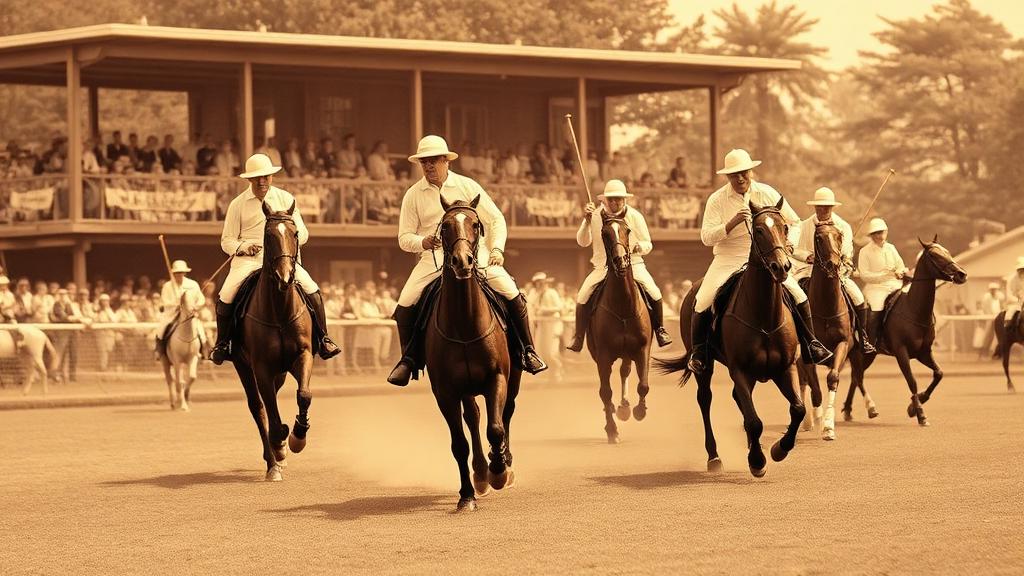
By the mid-twentieth century, Zimbabwe (then Rhodesia) had one of Africa's most active polo scenes, sustained by the white farming community that owned large agricultural estates with the land, horses, and leisure time that polo requires. Harare (then Salisbury) and Bulawayo both had active polo clubs, and Zimbabwean players competed internationally.
The Crisis Years and Their Impact on Polo
The land reform programme that began in 2000, which resulted in the forced seizure of most white-owned commercial farms, devastated Zimbabwean polo. Many of the farms that had supported polo operations — providing horses, grounds, and the player base — were seized and redistributed. Players emigrated. Horses were dispersed. Grounds fell into disuse.
The simultaneous economic hyperinflation of the 2000s made the costs associated with polo — always a relatively expensive sport — effectively impossible to sustain for much of the remaining polo community.
Yet polo did not die in Zimbabwe. A core community of dedicated players maintained the sport through conditions that would have extinguished it in less determined communities.
The Harare Polo Club
The Harare Polo Club is the primary surviving institution of Zimbabwean polo. Through the difficult years, the club maintained operations at reduced scale, keeping some form of polo alive in the capital. The club's survival through this period is a testament to the commitment of its membership.
In recent years, as Zimbabwe's economic situation has partially stabilised (dollarisation of the economy eliminated the worst of the hyperinflation effects), the Harare club has rebuilt activity. Membership has included both remaining resident Zimbabweans, returning diaspora members, and a growing number of newer participants.
The Bulawayo Polo Connection
Bulawayo, Zimbabwe's second city and the heart of the Matabeleland region, had a strong polo tradition. The agricultural hinterland around Bulawayo was polo country, with estates providing the infrastructure for club-level play. The Bulawayo polo community suffered heavily during the crisis years, and rebuilding in Matabeleland has been more challenging than in Harare.
Zimbabwe's Equestrian Tradition
Despite everything, Zimbabwe maintains a genuine equestrian culture. Horse racing continues in Zimbabwe — including international connections to South African racing — and there are equestrian schools and clubs that maintain riding traditions. This equestrian infrastructure provides the foundation from which polo can rebuild.
Zimbabwean-bred horses are not polo ponies in the traditional sense, but there is horse stock available, and dedicated polo players have worked with what is accessible locally rather than importing at impossible cost.
The Zimbabwe Polo Community Today
The Zimbabwean polo community today is small but passionate. It includes:
**Long-term members**: Players who stayed through the crisis years and refused to let the sport die. These individuals have a commitment to polo that rivals any in the world.
**Returning diaspora**: Zimbabweans who left during the crisis years and have returned as conditions have partially stabilised, some bringing international polo experience and networks.
**New participants**: A younger generation of Zimbabweans from a broader demographic range than the historically white-dominated colonial polo club structure, engaging with polo as one of Zimbabwe's distinctively characterful sports offerings.
**International connections**: Zimbabwean polo maintains connections to South African polo (the most developed African polo market) and to the international polo community through diaspora networks.
South African Connection
South Africa's polo scene — centred on the Western Cape, Gauteng, and KwaZulu-Natal — is the primary regional polo reference point for Zimbabwe. South African polo has been more insulated from Zimbabwe's specific political crises and has maintained a stronger organisational and competitive structure.
Zimbabwean players who want to compete at higher levels typically participate in South African polo events, and the two countries' polo communities maintain connections through shared colonial history and geographic proximity.
Visiting Zimbabwe for Polo
Zimbabwe has been rebuilding its tourism sector, which had also suffered enormously during the crisis years. For polo visitors:
**Victoria Falls**: Zimbabwe's most famous attraction — and one of the world's great natural wonders — is a four-to-five hour drive from Bulawayo and about eleven hours from Harare. A Zimbabwe polo visit can legitimately be combined with one of the world's most spectacular natural experiences.
**Hwange National Park**: One of Africa's finest wildlife reserves is accessible from the western Zimbabwe route. Game viewing alongside polo creates a Zimbabwe experience that is truly unique.
**Harare**: Zimbabwe's capital is a recovering city with a distinctive character — once one of Africa's most prosperous cities, it retains much of its infrastructure and is slowly regaining economic vitality.
**Cost**: Zimbabwe's economy is primarily USD-denominated. Costs for tourists are broadly comparable to other Southern African destinations, though the infrastructure variability is greater than in South Africa.
Frequently Asked Questions
Is polo really still active in Zimbabwe given everything that has happened?
Yes, genuinely. The Harare Polo Club has maintained operations and the community is rebuilding. It is not the extensive scene of previous decades, but it is alive and determined.
Can visiting players participate in Zimbabwean polo?
Contact through the Harare Polo Club is the appropriate first step. The community is generally welcoming to international visitors who approach respectfully and with genuine interest in the sport and the community.
What level of polo is played in Zimbabwe currently?
Club level to modest tournament level. The competitive intensity is not comparable to South Africa's higher-[goal](/glossary/goal) circuit, but competitive and enjoyable polo is being played.
Is Zimbabwe safe for polo tourism?
The security situation has improved significantly since the political transitions of the late 2010s. Harare and the main tourist destinations are generally considered safe for visitors. Consult current government travel advisories for your country of origin before planning a visit.
How does Zimbabwe polo relate to other African polo?
Zimbabwe connects primarily to South African polo as its regional reference. The broader African polo community — which also includes Kenya, Nigeria, Morocco, and Egypt — is loosely connected through the African Polo Federation, though the federation's coordination capacity is limited.
What is the most compelling reason to visit Zimbabwean polo?
Beyond the polo itself, Zimbabwe offers a polo experience with extraordinary contextual richness — extraordinary natural setting, a community defined by genuine resilience, and the chance to participate in a sport that has meant something profound to the people who have kept it alive. It is polo with a story.