A practical guide to recovering from the most common polo injuries and getting safely back in the saddle.
Polo Injury Recovery: Returning to Play After Common Injuries
Polo, like all equestrian sports, carries inherent risk. Understanding common injuries, their prevention, and proper treatment helps players stay safe and recover effectively when injuries occur.
Risk Perspective
Before detailing injuries, let's establish perspective:
Polo's injury rate is comparable to skiing, mountain biking, or soccerMost polo injuries are minor (bruises, strains)Serious injuries, while possible, are relatively rareModern safety equipment has dramatically reduced injury severityProper training and awareness are the best preventionsCommon Polo Injuries
Upper Body
Rotator Cuff Injuries
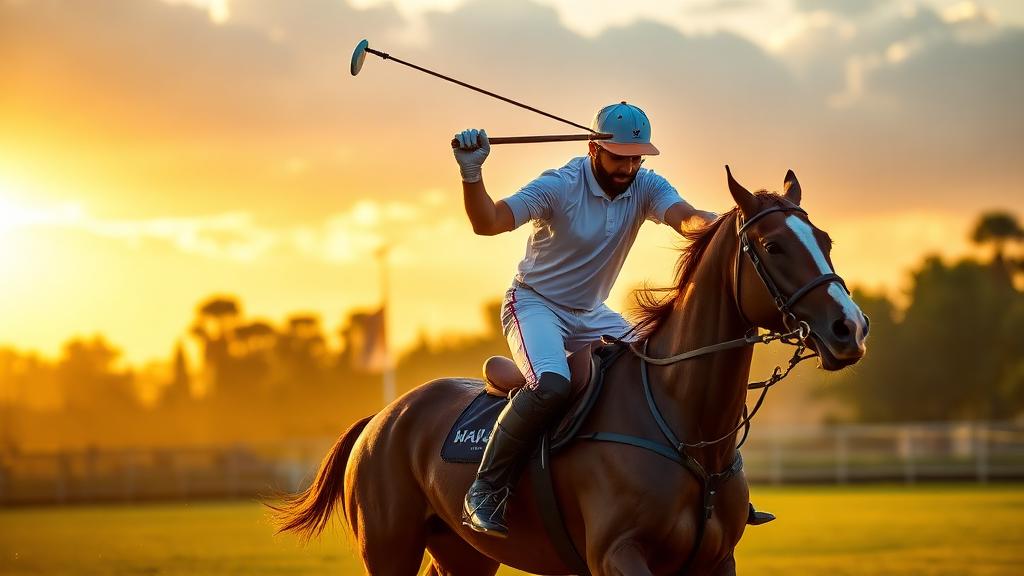
**Cause**: Repetitive overhead swinging motion**Symptoms**: Shoulder pain, weakness, reduced range of motion**Prevention**: Strength training, proper warm-up, technique correction**Treatment**: Rest, physical therapy, possibly surgery for severe tearsElbow Injuries (Tennis/Golfer's Elbow)
**Cause**: Repetitive [mallet](/glossary/mallet) swinging, grip tension**Symptoms**: Pain on inner or outer elbow, weak grip**Prevention**: Relaxed grip, forearm strengthening, proper technique**Treatment**: Rest, ice, anti-inflammatories, physical therapyWrist Injuries
**Cause**: Impact vibration, awkward catches, falls**Symptoms**: Pain, swelling, reduced grip strength**Prevention**: Wrist strengthening, proper mallet grip, impact-absorbing equipment**Treatment**: Varies by severity — rest to surgeryThumb/Hand Injuries
**Cause**: Mallet strikes, ball impacts, falls**Symptoms**: Pain, swelling, difficulty gripping**Prevention**: Gloves, awareness of mallet position, hand strengthening**Treatment**: Splinting, rest, possibly surgery for fracturesLower Body
Knee Injuries
**Cause**: Twisting in stirrups, ride-offs, falls**Symptoms**: Pain, swelling, instability**Prevention**: Proper stirrup length, knee guards, core strength**Treatment**: RICE protocol, physical therapy, surgery for ligament tearsThigh Bruising
**Cause**: Ride-offs, ball impacts, mallet contact**Symptoms**: Pain, discoloration, stiffness**Prevention**: Padded breeches, knee guards**Treatment**: Ice, compression, timeAnkle Injuries
**Cause**: Falls, foot caught in stirrup, awkward dismounts**Symptoms**: Pain, swelling, difficulty bearing weight**Prevention**: Proper boots, safety stirrups, awareness**Treatment**: RICE protocol, physical therapy, possible immobilizationHead Injuries
Concussions
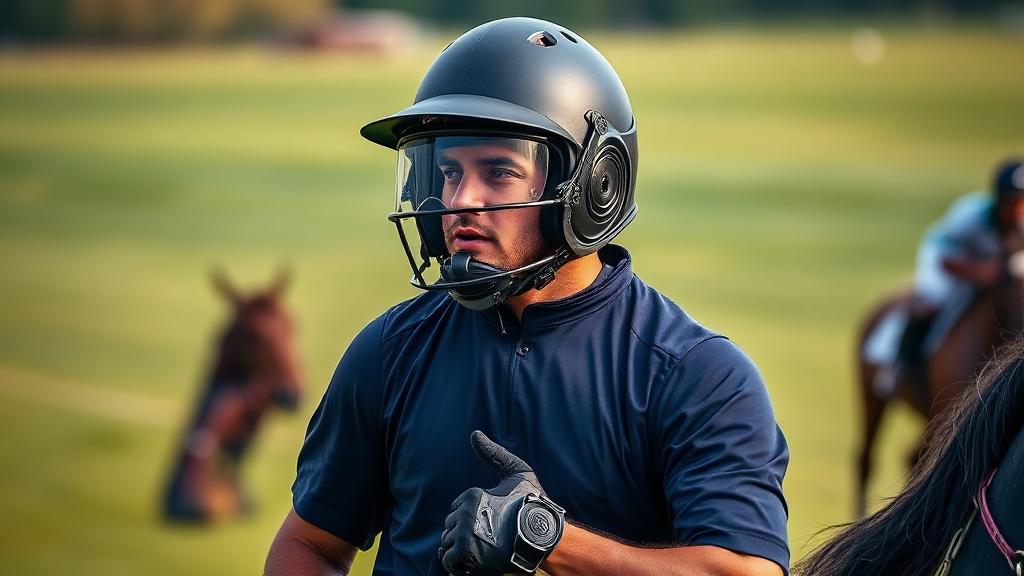
**Cause**: Falls, ball/mallet strikes to head**Symptoms**: Headache, confusion, dizziness, memory issues**Prevention**: Properly fitted helmet, faceguard, awareness**Treatment**: Immediate medical evaluation, cognitive rest, graduated return to playFacial Injuries
**Cause**: Ball strikes, mallet contact**Symptoms**: Vary by location and severity**Prevention**: Faceguards (increasingly standard)**Treatment**: Depends on injury — medical evaluation recommendedSpinal Injuries
**Cause**: Falls, particularly landing on back/neck**Symptoms**: Back pain, numbness, weakness**Prevention**: Proper falling technique, core strength, awareness**Treatment**: Immediate immobilization for suspected spinal injury; medical evaluation essentialPrevention Strategies
Equipment
Helmet
Must meet current safety standards (NOCSAE/PAS015/VG1)Replace after any significant impactEnsure proper fit — a loose helmet provides inadequate protectionFaceguard
Increasingly standard, especially in [arena polo](/glossary/arena-polo) and for youthPrevents dental, facial, and eye injuriesNo performance penalty; recommended for all playersKnee Guards
Protect against ride-offs and mallet strikesEssential for competitive playBody Protector
Common in arena poloProvides torso protection for falls and impactsProper Boots
Heel prevents foot sliding through stirrupAnkle support reduces twist injuriesPhysical Preparation
Pre-Game Warm-Up
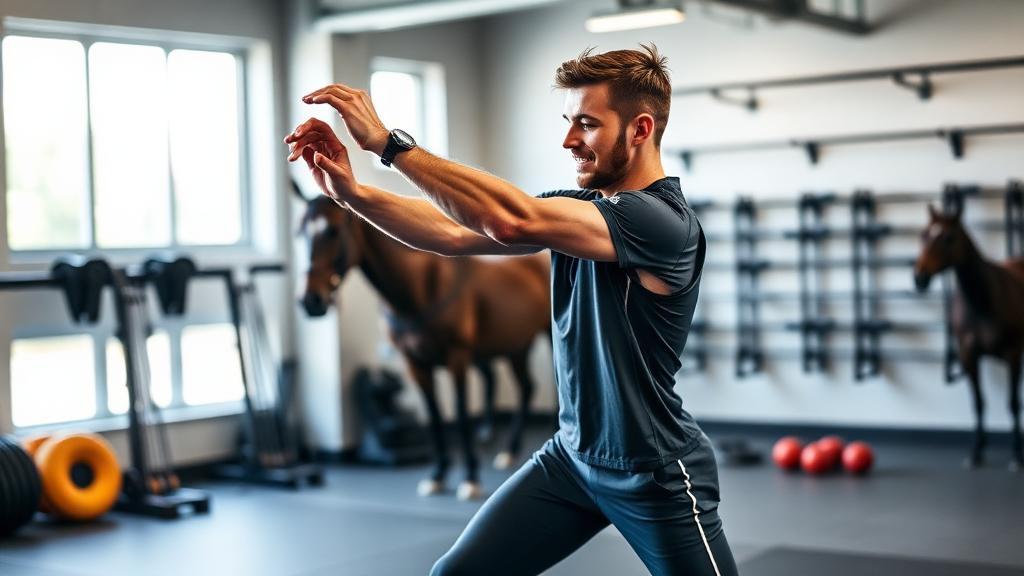
10-15 minutes of dynamic stretchingShoulder rotations, hip circles, neck mobilityLight cardio to increase heart ratePractice swings before mountingStrength Training
Core strength prevents back injuries and improves balanceShoulder/rotator cuff work addresses the most stressed jointLeg strength improves riding stabilityGrip and forearm work reduces elbow strainFlexibility
Hip flexibility crucial for ridingShoulder mobility for full swing rangeRegular stretching prevents overuse injuriesRiding Awareness
Horse Knowledge
Know your horse's tendenciesCommunicate concerns about unfamiliar horsesRecognize signs of horse fatigue or distressGame Awareness
Know where other players areAnticipate collisionsDon't put yourself in dangerous positions for low-reward playsFitness for Play
Don't play while fatigued — injury risk increases dramaticallyStay hydratedKnow your limitsWhen Injuries Happen
**RICE Protocol** (for soft tissue injuries):
**Rest**: Stop playing immediately**Ice**: Apply for 20 minutes every 2-3 hours**Compression**: Elastic bandage to reduce swelling**Elevation**: Above heart level when possible**Head Injury Response**:
Stop play immediatelyDo not return to play same daySeek medical evaluationFollow concussion protocol for return**Suspected Fracture**:
Immobilize affected areaDo not attempt to move/set the boneSeek medical attention immediatelyMedical Evaluation
When to seek immediate medical care:
Loss of consciousnessConfusion or disorientationSuspected fractureInability to bear weightNumbness or tinglingSevere painVisible deformityWhen clinic visit is appropriate:
Pain persisting beyond 48 hoursSwelling not responding to RICELimited range of motionRecurring injuriesRecovery and Return to Play
Recovery Phases
**Acute Phase (Days 1-7)**:
Focus on pain and swelling managementProtect injured areaBegin gentle range-of-motion if cleared**Rehabilitation Phase (Weeks 2-6+)**:
Physical therapyGradual strength and mobility restorationSport-specific preparation**Return to Play Phase**:
Progressive return under guidanceFull sport-specific function restoredPsychological readinessReturn to Play Criteria
Don't return until:
Full range of motion restoredStrength equivalent to uninjured sideNo pain during sport-specific movementsCleared by medical professional if injury was significantMentally confidentRehabilitation Resources
**Physical Therapy**: Essential for most significant injuries
**Sports Medicine Physicians**: For complex injuries or unclear diagnoses
**Athletic Trainers**: For ongoing prevention and rehabilitation
Long-Term Injury Management
Chronic Issues
Some polo players develop chronic conditions:
**Shoulder Tendinopathy**: Ongoing shoulder issues from repetitive swinging
**Back Pain**: From riding position and impacts
**Knee Issues**: From riding and dismounting stresses
Management Strategies
Regular maintenance physical therapyPre-play routinesStrength training between seasonsTechnique adjustment to reduce stressEquipment modificationsKnowing when to restThe Mental Side
Injury also affects the mind:
**Fear After Injury**: Normal but must be addressed
**Return Anxiety**: Gradual exposure helps
**Identity Questions**: Injury can challenge polo-centered identities
**Support**: Talk to other players who've been through injuries
Creating a Safety Culture
Club Level
Enforce helmet and safety equipment rulesEnsure umpires call dangerous playMaintain fields and facilitiesProvide first aid equipment and trainingIndividual Level
Prioritize safety over competitionCall out dangerous play (your own and others')Report injuries rather than hiding themSupport injured teammatesConclusion
Polo injuries are part of the sport. The [goal](/glossary/goal) isn't zero injuries — that's unrealistic for any athletic pursuit. The goal is:
Minimize preventable injuries through preparation and equipmentRespond appropriately when injuries occurRecover fully before returningLearn from each injury to prevent recurrenceWith proper preparation, equipment, and awareness, polo can be enjoyed safely for decades.