Women Who Changed Polo: From Pioneers to Champions
The story of women in polo spans from early 20th-century pioneers who broke gender barriers to today's elite professionals competing at the highest levels. Here are the women who shaped the sport.
Women Who Changed Polo: From Pioneers to Champions
For most of its modern history, polo was understood as a sport for men. The physical demands, the military associations, the private club culture — all conspired to exclude women from meaningful participation. What makes the story of women in polo remarkable is not the exclusion itself, but the determination with which women dismantled those barriers, often one club, one season, and one [handicap](/glossary/handicap) point at a time.
The Pioneer Era — Early 20th Century
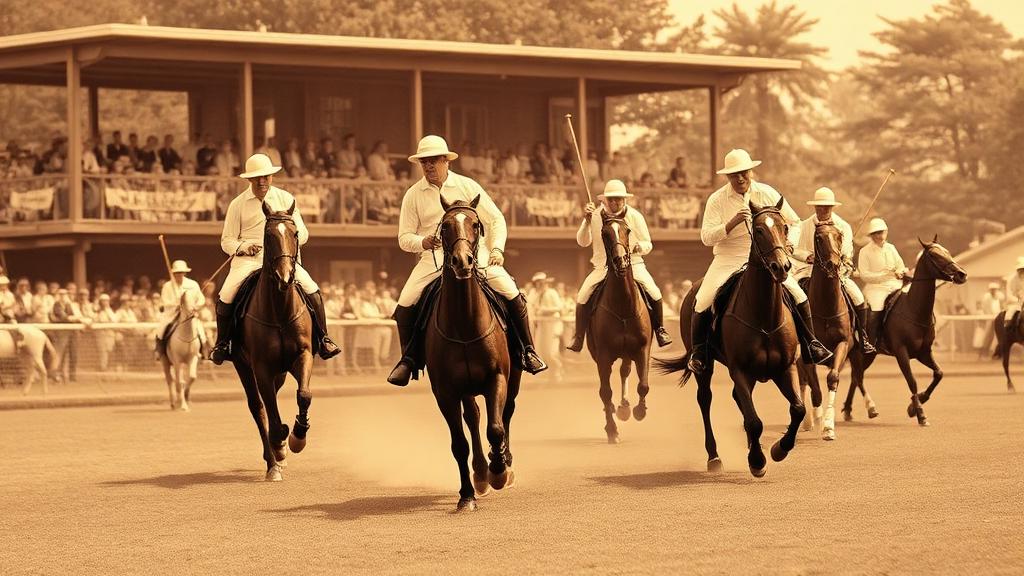
Women were playing polo almost from the sport's earliest days — in private, on family estates, away from the all-male club structures that governed formal competition. The first recognised women's polo matches in England took place in the 1930s, organised informally by women connected to the polo establishment through family.
**Lady Susan Townley** and a small group of women players in the 1920s–30s established that women could compete at genuine sporting levels, not merely in social demonstrations. Their quiet persistence created the institutional memory that women's polo was possible.
Claire Tomlinson — The Landmark Player
In 1986, **Claire Tomlinson** became the first woman to play in an English high-[goal](/glossary/goal) mixed tournament — a historic milestone. As a member of the Tomlinson family (the most important polo family in English polo), she had access to excellent horses and instruction. But it was her own playing ability — certified at 5-goal, the highest women's handicap in England at the time — that made her inclusion in high-goal polo credible.
Claire Tomlinson's achievement opened a door that never fully closed. She demonstrated that women could compete at high-goal level, not as novelties but as genuine contributors.
Gillian Johnston — Dominating American Women's Polo
In the United States, **Gillian Johnston** became the definitive American women's polo player of the late 20th and early 21st century. Multiple-time USPA Women's Open champion, Johnston combined elite horsemanship with superb positional instincts and an aggressive competitive nature that made her respected across the mixed polo community as well as the women's circuit.
Her contribution to the USPA's women's polo development — as both a competitor and a mentor to younger players — established the US Women's circuit as one of the world's strongest.
Nina Clarkin — The UK's Modern Standard-Bearer
**Nina Clarkin** is the UK's most prominent contemporary women's polo professional. A 5-goal HPA player, Clarkin has won multiple Women's Gold Cup titles at Cowdray Park — England's most prestigious women's polo event — and has been a consistent presence in the high-goal season through mixed team play.
What distinguishes Clarkin from most women's polo players is her professional approach: she coaches, trains systematically, and has been vocal in advocating for greater opportunities for women in high-goal polo. Her work in developing younger women players through her professional coaching operation has created a multiplier effect that extends beyond her own career.
Mia Cambiaso — A Dynasty's Daughter Writes Her Own Story
**Mia Cambiaso**, daughter of Adolfo Cambiaso, represents a new chapter in women's polo. Growing up in La Dolfina, surrounded by the greatest polo environment ever assembled, she has developed a playing style that reflects both extraordinary natural ability and an unparalleled learning environment.
Already competing at significant handicap levels before age 20, Mia Cambiaso's trajectory suggests she may become the most accomplished women's player in Argentine polo history. The significance of her father's influence — and the weight of expectation that creates — adds a dimension to her story that is uniquely compelling.
Lia Salvo — Argentina's Women's Champion
**Lia Salvo** has been the dominant figure in Argentine women's polo for over a decade. Multiple Argentine women's open champion, she has competed internationally and has been instrumental in growing the women's circuit within the AAP structure.
Argentina's women's polo scene operates in the shadow of the extraordinary men's circuit, but Salvo's competitive dominance has given it genuine substance and visibility.
The Future — Growing Parity
Several structural changes are driving women's polo toward greater parity with the men's game:
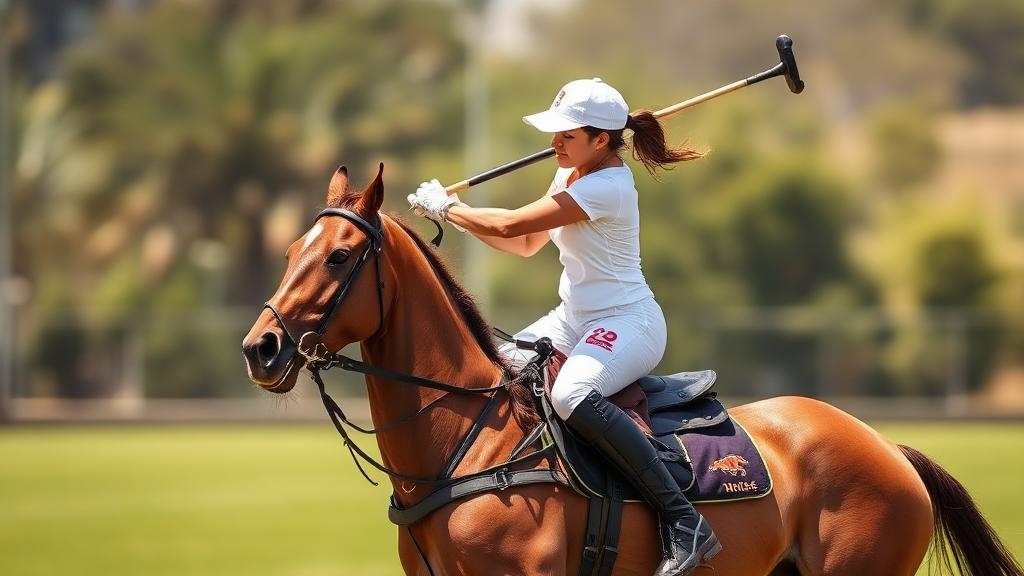
**Handicap progression**: Women's handicaps have risen as competition standards have increased. The gap between the top women's players and medium-goal men's polo is narrowing.
**Mixed team polo**: The integration of women players into mixed high-goal teams — pioneered by Claire Tomlinson's 1986 appearance — is becoming more common, with several women now regularly included in serious mixed tournament lineups.
**Institutional support**: Both the HPA and USPA have invested in women's circuits, with dedicated women's championships now well-established.
**Grassroots growth**: More girls are beginning polo in youth programmes, creating a pipeline of talent that was absent a generation ago.
The women who changed polo did so through persistence — playing whenever they could, wherever access was possible, at whatever level was open to them, until the quality of their play made exclusion harder to justify. That story is not finished; it is accelerating.