Becoming a Polo Patron: How to Build and Sponsor a Team
The polo patron model is the engine of high-goal polo — understanding how it works, what it costs, and how to build a successful patron team is essential knowledge for serious polo investors.
Becoming a Polo Patron: How to Build and Sponsor a Team
The polo patron is one of sport's most distinctive figures. Unlike most sports, where team owners pay professionals to compete on their behalf, polo patrons typically play in the teams they sponsor — amateur players who fund professional teammates whose combined ability elevates the patron's team to a competitive level the patron alone could not reach. This model, unique to polo at the higher levels, creates a sport that is simultaneously a competitive arena and a social institution, and one that has driven polo's development globally for over a century.
This guide is for those considering entering polo as a patron, or for players who want to understand the patron model deeply. Whether you are a 0-[goal](/glossary/goal) player considering funding a club team or a serious player exploring medium-goal patronage, the principles covered here apply. For background on polo costs and club structure, see our [costs guide](/costs) and [clubs directory](/clubs).
What Is a Polo Patron?
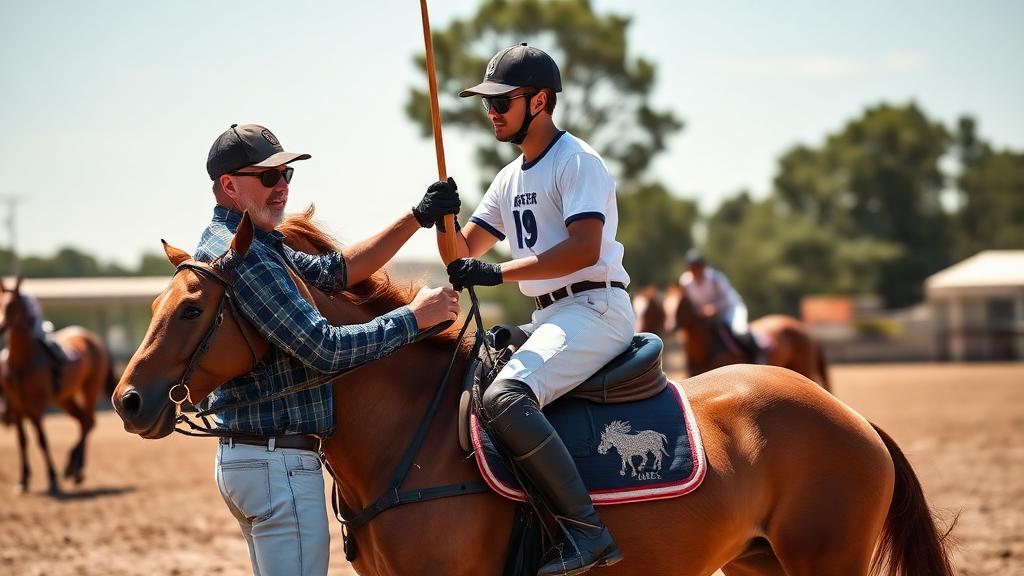
At its most basic, a polo patron is a player who provides the financial resources to fund a polo team — including the professional players' fees, the horses, and the logistical costs of tournament competition. The patron plays in the team, typically at a [handicap](/glossary/handicap) that means they contribute positively within the team's overall goal total but depend on their professional players for the bulk of competitive performance.
The key distinction between a patron and a team owner in other sports: the patron plays. This distinguishes polo dramatically from sports like football or tennis, where wealthy individuals fund teams and watch from the stands. The polo patron is on the field, participating in the athletic contest they are financing.
The Handicap Structure of Patron Teams
Polo teams are formed under a handicap ceiling — the total goal rating of all four players cannot exceed the tournament's goal limit. Understanding how this structure works is essential for understanding the patron role.
In a 12-goal tournament:
The patron's personal handicap is the foundation on which the professional players' inclusion is built. A patron who improves from 0 to 2 goals gains not just personal satisfaction but the ability to include stronger professional players within a fixed goal ceiling — a direct competitive advantage.
This creates a powerful incentive structure unique to polo: the patron's personal improvement has measurable competitive benefit to the team, not just personal satisfaction.
Levels of Polo Patronage
Club Level Patronage (0–4 goal)
Club polo at 0–4 goal level is the entry point for most patrons. At this level:
A patron playing club polo with one or two professional players might spend £5,000–£20,000 per season on team costs, depending on location, horse arrangements, and tournament frequency.
Medium-Goal Patronage (8–12 goal)
Medium-goal polo is where serious competition begins. At 8–12 goal:
A medium-goal season can cost a patron £100,000–£500,000 or more, depending on the tournament circuit, horse inventory, and professional player quality.
High-Goal Patronage (15–22 goal)
High-goal polo — 15, 18, or 22 goals — is the elite level. At this level:
High-goal polo in England (Guards, Cowdray), Argentina (Argentine Open, Hurlingham, Palermo), and the USA (USPA Gold Cup) represents the pinnacle of polo competition.
Finding Professional Players
For a patron entering the medium or high-goal scene, finding the right professional players is the most consequential decision. The criteria include:
**Polo skill**: Playing ability, the specific shots and positions that complement the patron's game and the team's strategy.
**Horse skills**: Professionals at higher levels manage and play large strings of horses. Horse management competence is as important as polo skill.
**Personality fit**: The patron-professional relationship is intensive. Professionals who work well with patrons — communicating game awareness, managing the patron's development, fitting into the team dynamic — are at a premium.
**Reputation**: In polo's small world, professional reputations travel fast. Due diligence through polo networks is essential.
Where to Find Professionals
**Personal networks**: The polo community is small enough that personal introductions through established players and clubs are the primary route to professional recruitment at all but the beginner level.
**Argentine connections**: Argentina is the source of the majority of the world's highest-rated polo professionals. Relationships with Argentine clubs, coaches, and professional management are valuable for patrons competing at 12-goal and above.
**British professionals**: For UK-based patronage, British polo professionals — typically in the 4 to 8 goal range — are a natural resource for medium-goal teams.
**Agent representation**: Some higher-goal professionals work through agents or management who handle their seasonal contracts. At 15-goal and above, this is common.
Horses: The Biggest Budget Item
For any patron playing above 8-goal, horses are typically the largest single cost category. The requirements:
Patron's Own Horses
The patron needs horses sufficient for their own play. At club level, horse hire may be possible. At medium-goal and above, personally owned horses become necessary for competitive play and for professional image within the polo community.
Polo horses for patron-level play: £20,000–£100,000+ per horse for medium-goal quality.
Professional Players' Horses
At higher goal levels, professional players either bring their own horses (for which the patron pays a horse fee or lease) or the patron provides horses for the professionals. The arrangement varies:
**Patron-supplied horses**: The patron owns all the horses and the professional uses them. This is the most expensive model but gives the patron control over the entire horse inventory.
**Professional-brought horses**: The professional brings their own horses, and the patron pays a horse inclusion fee or lease. This is more common at higher-goal levels and reduces the patron's capital exposure to horse purchasing.
**Mixed arrangements**: Many patron-professional relationships use a combination of both.
The Legal and Financial Structure
Patronage at medium and high-goal levels is a serious financial commitment that warrants proper contractual structure:
**Player contracts**: Define fees, duration, expectations, horse arrangements, and obligations. Use a sports solicitor familiar with polo contracts.
**Horse ownership documentation**: Clear records of horse ownership, insurance, and movement are essential.
**Insurance**: Public liability insurance for players and horses, personal accident insurance, and potentially specific polo policy coverage.
**Tournament entry contracts**: Some tournaments require formal team registration with documented player and horse commitments.
The Patron's Game Development
A patron who continues to develop their own polo game maximises both the competitive benefit within the handicap system and their personal enjoyment of the sport. The best patrons are not merely funders — they are polo players who happen to be funding the system around them.
Investment in personal polo development:
See our [player development](/learn) resources for structured improvement programmes.
The Social Dimension of Polo Patronage
Beyond the competitive dimension, polo patronage carries significant social capital. High-goal polo is a global elite network — the patrons of major tournaments interact with business leaders, royalty, international sports figures, and cultural luminaries who orbit the polo world. For patrons whose interests include business networking or social capital, high-goal polo patronage offers access to circles that few other sporting investments provide.
This social dimension is real and should be acknowledged honestly: many patrons value it highly, and there is nothing inappropriate about recognising it as part of the value calculation of polo investment.
Frequently Asked Questions
What handicap do I need to become a polo patron?
There is no minimum handicap for being a patron. A 0-goal player can fund a team at club level. Higher-goal tournaments have no patron handicap requirement — you need only the financial resources and the ambition. However, the better your handicap, the more competitive options open to you within any given goal ceiling.
How much does a patron spend in a typical UK season?
This varies enormously. Club-level patronage: £10,000–£50,000 per season. Medium-goal patronage: £100,000–£500,000. High-goal (15–22 goal): £1,000,000+. These are rough ranges; actual costs depend on horse inventory, professional player fees, and tournament circuits chosen.
Is the polo patron model unique to polo?
Yes. This model — where the funder plays in the team they sponsor — is essentially unique to polo in major competitive sport. It creates the distinctive dynamic that makes polo so attractive to a certain kind of competitive, sport-passionate, financially resourced individual.
What is the relationship between patron and professional like?
At its best, it is a genuine partnership — the patron brings resources and the competitive context; the professional brings elite skill, horse management, and polo expertise. The relationship requires mutual respect, clear communication, and aligned expectations about competitive goals and the patron's development.
Can a patron own a team without playing?
Yes, technically — a patron can fund a team and include themselves as a non-playing sponsor. However, this departs from the polo patron tradition and is unusual. Most tournament structures require the patron to play as one of the four players.
How do I start building a patron network in polo?
Through club membership and participation in higher-level tournaments as a guest player, attending major polo events as a spectator, and engaging with the polo community through professional networks. The polo world is relationship-driven — building relationships genuinely and over time is the most sustainable route to high-goal patronage.
What should I look for in a polo manager?
A polo manager (sometimes called a team manager) is a professional who handles the logistical and operational side of running a patron team: horse care coordination, professional player management, travel and accommodation, ground logistics, and tournament entry management. A good polo manager reduces the patron's administrative burden and allows focus on the playing. References from established patrons, horse management experience, and polo-specific logistics knowledge are the key criteria.