Can You Learn Polo at 40, 50 or 60? A Realistic Assessment
Polo's reputation as a young person's sport puts many adults off. The reality is more encouraging. Here is an honest guide to learning polo later in life — what to expect and how to approach it.
Can You Learn Polo at 40, 50 or 60? A Realistic Assessment
The question comes from a place of genuine concern: polo looks dangerous, physically demanding, and the preserve of people who have ridden since childhood. For someone in their 40s, 50s, or 60s approaching the sport for the first time, the combination of horse riding and [mallet](/glossary/mallet)-swinging and ball-chasing looks like a recipe for injury and humiliation.
The reality is considerably more encouraging. Polo clubs across the world — in England, Argentina, the USA, Australia — welcome adult beginners at all ages. The game's structure, properly taught, is more accessible than it appears. And there are qualities that adult beginners typically bring to learning polo that actually give them advantages over younger learners in certain respects.
This guide is an honest assessment of what adult polo learning involves, how to approach it, and what realistic expectations look like.
The Physical Requirements — What You Actually Need
**Riding ability**: Polo is played on horseback, so some comfort in the saddle helps. But you do not need to be an experienced rider to start polo. Many clubs teach polo and riding simultaneously, and polo ponies are specifically trained to be responsive to novice riders. A complete non-rider can learn both skills in parallel.
**Core strength**: Swinging a polo mallet correctly requires reasonable core stability. This is trainable — and adults who have maintained fitness through other sports often have better core awareness than young beginners.
**Balance**: Polo requires dynamic balance on a moving horse. Again, this is learnable, and adults who have played ball sports often have strong proprioceptive skills that transfer well.
**Cardiovascular fitness**: Regular polo involves short bursts of high intensity (during chukkas) and significant rest between chukkas. It is interval fitness, not marathon fitness. Adults with moderate cardiovascular fitness handle this well.
**What you do not need**: Youth. Exceptional flexibility. A background in equestrian sport. Young reflexes (though these help).
The Learning Curve — What to Expect
**Month 1**: Wooden horse work, basic swing mechanics, mounted walk and trot with the mallet. Expect to feel awkward and uncoordinated. Everyone does.
**Month 2–3**: Mounted at walk and trot, hitting balls from a stationary horse, beginning to ride at canter with the mallet.
**Month 4–6**: Stick-and-ball practice at trot and canter. The fundamentals of swing, line, and reach beginning to feel more natural.
**Month 6–12**: First chukkas (informal, arranged practice matches). The game starting to make sense as a coordinated activity rather than multiple separate skills.
**Year 2**: Consistent [chukka](/glossary/chukka) participation. A clearer sense of your natural position and playing style. Improvement that is visible to yourself and others.
This timeline applies to most adult beginners regardless of age. The learning curve for a 55-year-old is broadly similar to a 35-year-old, with two main differences: physical recovery after intensive sessions may be slower, and the initial mounted confidence-building often takes slightly longer if you have no horse riding background.
The Advantages of Learning Later in Life
Adult learners bring qualities that accelerate polo learning in unexpected ways:
**Strategic thinking**: Adults tend to understand game concepts — position, spatial awareness, tactical decision-making — faster than young beginners who are still developing these cognitive tools.
**Coachability**: Adults who have learned other skills in professional life often listen to instruction more carefully and apply corrections more deliberately than younger learners, who sometimes rush past feedback.
**Patience**: Adults generally have better tolerance for the long learning curve that polo requires. Young learners often become frustrated that progress is not faster; adults are more accustomed to skill acquisition being a slow process.
**Motivation**: Adults who choose to learn polo do so with genuine intention — not because a parent enrolled them. This intrinsic motivation drives more consistent practice.
Adapting Your Approach
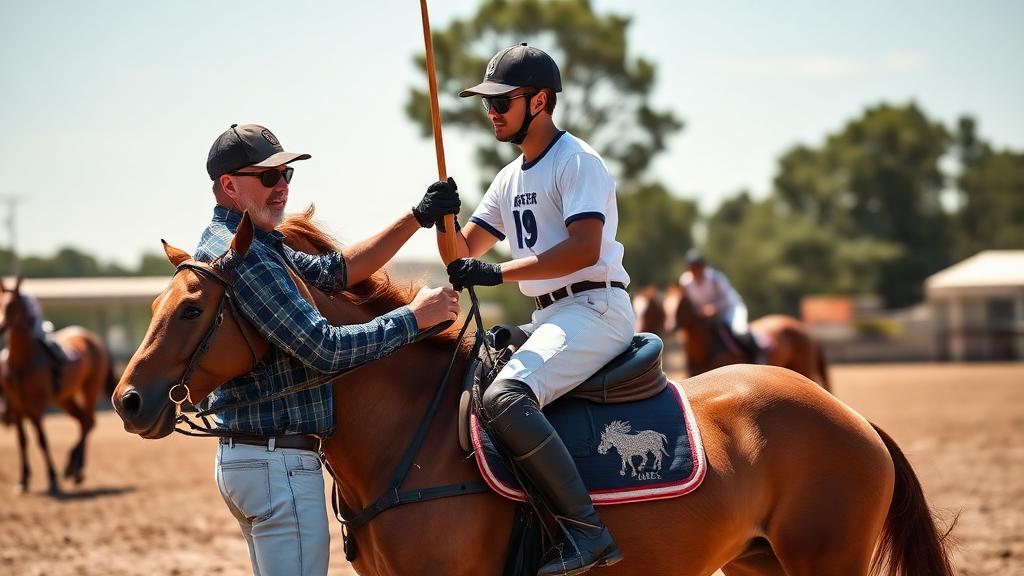
**Choose the right school**: Look for a school that specifically works with adult beginners and has experience adapting instruction to different fitness levels and learning paces. Ask directly about their experience with learners over 40.
**Start with riding lessons if needed**: If you have no horse experience, several riding lessons before polo lessons will make your polo instruction more efficient.
**Manage intensity**: Polo is physically demanding. Do not try to pack in too many hours in your early weeks — two good lessons per week allows recovery and consolidates learning better than daily sessions.
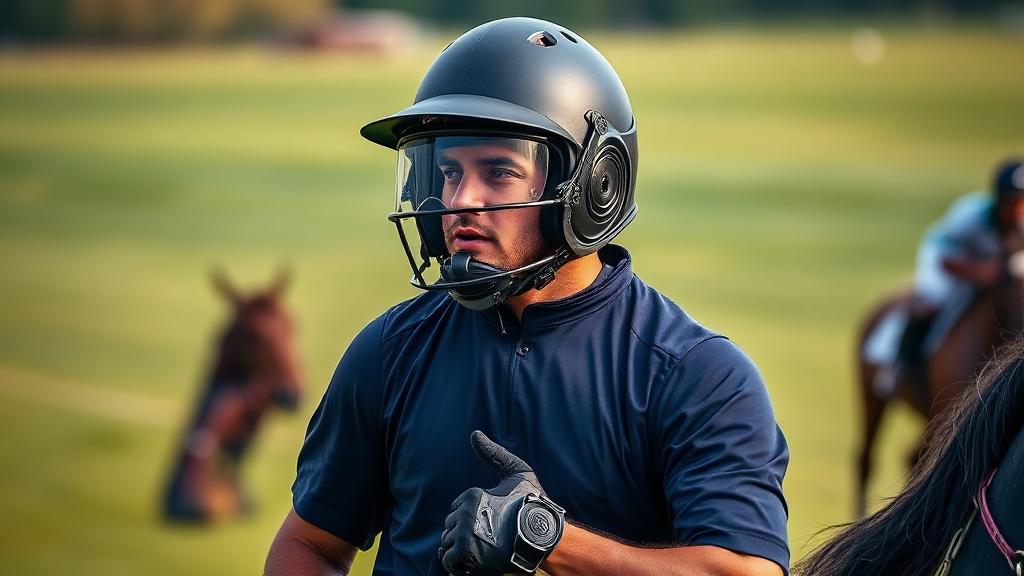
**Equipment**: Invest in good knee pads, a well-fitted helmet, and proper polo boots early. The right equipment reduces injury risk significantly and makes learning more comfortable.
**Strength and mobility work**: Off-horse conditioning — core exercises, hip mobility work, basic grip strength training — can noticeably accelerate your polo development. A sports physiotherapist with equestrian experience can design an appropriate programme.
Is There an Age Where It Becomes Too Hard?
Honest assessment: playing competitive polo (chukkas against others at similar or higher levels) becomes physically challenging beyond about 65–70, depending on individual fitness. But recreational polo — organised chukkas at relaxed pace, in sympathetic company — is played by people well into their 70s at many clubs.
The polo community, particularly at club level, is broadly welcoming of adult beginners at all ages. You will not be the oldest beginner at your club — and you will not be the last to start.
Learning polo at 40, 50, or 60 is realistic, achievable, and — for those who commit to the process — one of the most rewarding sporting decisions you can make.