The Complete Guide to Polo Boots: Buying, Fitting, and Care
Polo boots are one of the sport's most important equipment investments. This guide covers types, brands, fitting, breaking in, and care — everything you need to choose and maintain polo boots.
The Complete Guide to Polo Boots: Buying, Fitting, and Care
Of all the equipment in polo, boots inspire the most devotion and the most complaint. A great pair of polo boots — well-fitted, well-maintained, broken in — becomes almost invisible on the field: you stop thinking about your feet and concentrate entirely on the game. A bad pair causes blisters, instability, and distraction that undermines your riding and hitting.
This guide covers everything from boot types through to care routines, with recommendations at different budget levels. For the full equipment picture, see the [polo equipment guide](/equipment).
Types of Polo Boots
Field (Knee) Boots
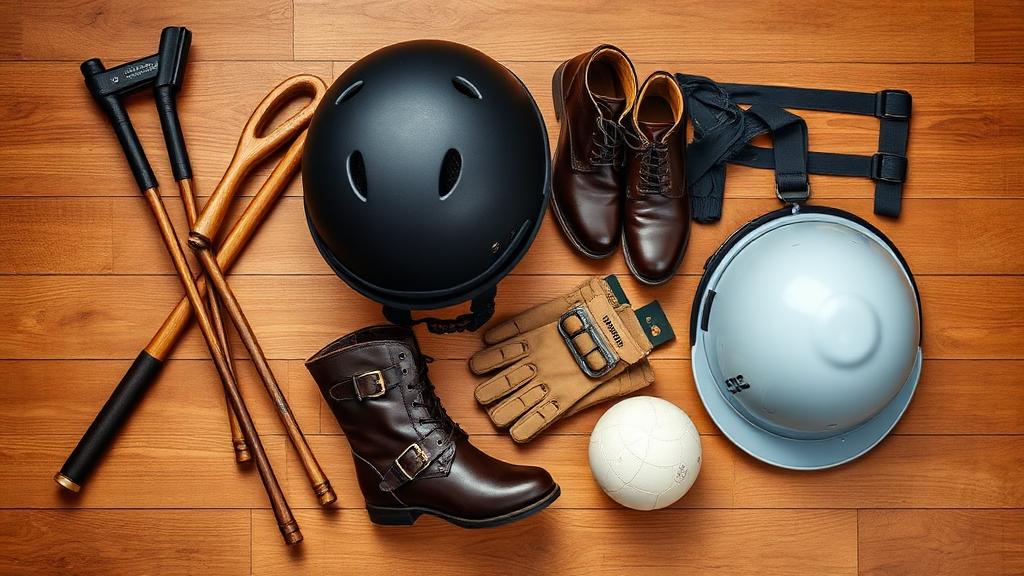
The standard polo boot is a **full-leg boot** (also called knee boot or field boot) that extends from the foot to just below the knee. This is the most common style for outdoor polo players at all levels.
**Key characteristics**:
**Why full-leg**: The full leg boot protects the lower leg and knee from [mallet](/glossary/mallet) contact — a common hazard at all levels of play. The stiff shaft also provides support during the dynamic movements of mounted play.
Mid-Calf (Short) Boots
Some players — particularly beginners and [arena polo](/glossary/arena-polo) players — use shorter **mid-calf boots** that stop at mid-calf rather than extending to the knee. These are more comfortable for beginners not yet used to the feel of full leg boots, and slightly more affordable.
**Limitation**: Mid-calf boots offer less knee protection and less stability than full-leg boots. Intermediate and advanced players almost universally move to full-leg boots.
Tall Boots (European Style)
Some players — particularly those from an English or European dressage/showjumping background — play polo in tall riding boots rather than purpose-made polo boots. These can work well but typically lack the specific heel and sole characteristics that make purpose-made polo boots optimal.
Fit — The Most Important Factor
Polo boots should fit snugly but not constrictively. The key fit points:
**Length**: Full-leg boots should extend to just below the back of the knee. Too short means reduced protection; too long creates discomfort and restricted knee flexion.
**Calf width**: This is the most common fit problem. Most mass-produced polo boots are made for a standard calf circumference. Players with wider calves find boots difficult to zip or uncomfortable when zipped. Custom boots solve this — at a price.
**Foot width**: Polo boots typically run narrower than street shoes. If you have wide feet, size up slightly or seek wider last options.
**Heel fit**: The heel should sit securely in the boot with minimal lift when walking. Heel lift causes blisters rapidly.
**The [breaking](/glossary/breaking)-in allowance**: Leather polo boots will stretch slightly in width and soften in the shaft during breaking-in. Buy boots that fit correctly at the foot and are slightly firm in the shaft — after breaking in (typically 10–15 wears), the shaft will conform to your leg.
Top Polo Boot Brands
Premium (£600–1,500+)
**Leder-König** — German-made polo boots widely considered the finest mass-produced polo boot. Exceptional leather quality, excellent heel construction, available in multiple widths.
**Dehner** — American-made boots with a long polo heritage. Used by US professionals throughout the Wellington season.
**La Martina** — Argentine brand with deep polo credibility. Very popular in South America and Europe.
Mid-Range (£250–600)
**Woof Wear** — English brand, well-regarded in the UK polo market. Good quality for the price, widely available.
**Horze** — Affordable European brand that offers polo-specific boots at accessible prices. Good for beginners who are not yet sure of their size preferences.
**Kingsland** — Scandinavian brand with clean design and reasonable quality at mid-range prices.
Budget (Under £250)
Budget polo boots exist, but exercise caution. The heel construction and sole quality on very cheap boots are often inadequate for the safety requirements of polo. The minimum safe specification: a proper leather or quality synthetic upper, a defined heel of at least 1 inch, and a smooth sole. Check our [polo costs guide](/costs) to budget for boots alongside your other polo expenses.
Breaking In Your Boots
New leather polo boots require breaking in. Rushing this process is the most common cause of boot-related blisters and discomfort.
**Process**:
1. **Wear around the house** for several sessions before riding — this begins to soften the leather without the added friction of a stirrup
2. **Leather conditioner**: Apply a quality leather conditioner before first wear and after every 2–3 uses during the breaking-in period
3. **Boot trees**: Store with boot trees to maintain the shaft shape as leather softens
4. **Gradual field use**: First few riding sessions, keep them short (30–45 minutes) to identify any pressure points before they become blisters
Boot Care and Maintenance
Well-maintained polo boots last 5–10 years. Poorly maintained boots deteriorate rapidly.
**After each use**:
**Weekly (or more frequently in heavy use)**:
**Avoiding common damage**:
**When to replace**: When the heel shows significant wear (compromise to stirrup security), when the leather is cracking despite conditioning, or when the zipper is failing. Good boots resoled or reheeked by a cobbler can extend life significantly.
Polo boots are a significant investment. The right pair, properly fitted and maintained, will last years and contribute meaningfully to your riding confidence and safety. The wrong pair, bought hastily for cost reasons, will cause enough problems to make them the most expensive cheap purchase you make in the sport. If you're just starting out, read the guide to [polo for beginners](/polo-for-beginners) to understand all the essentials together.