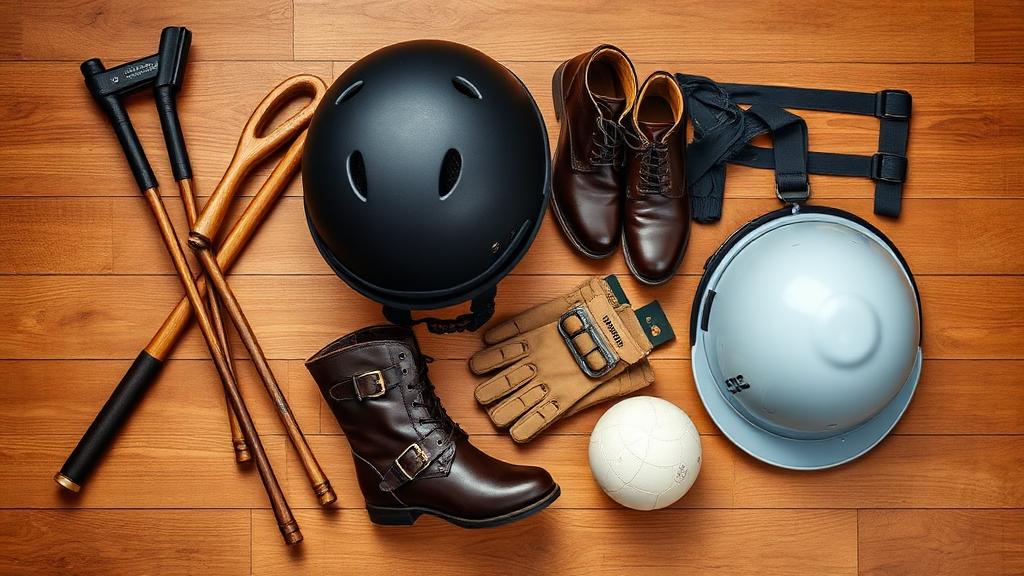
Equipment Rental vs Buying: What Makes Sense at Each Level
A practical cost-benefit analysis of renting versus buying polo equipment at every stage of development — covering what to rent first, when to invest, and how club rental programmes work.
Equipment Rental vs Buying: What Makes Sense at Each Level
One of the most common questions from players approaching polo for the first time is how much they need to spend on equipment before they even start. The honest answer is: it depends entirely on where you are in your development, what your club offers, and how committed you are to continuing.
This guide provides a structured analysis of the rent-versus-buy decision for every major category of polo equipment, with practical guidance on sequencing investments as your game develops.
The Fundamental Principle: Match Investment to Commitment
Before making any individual equipment decision, anchor it to an honest assessment of your commitment level. Polo has a high dropout rate in the first two years — this is simply the reality of a demanding, expensive, and physically challenging sport. Spending several thousand pounds on personal equipment before completing your first full season creates financial pressure that can make continuing the sport harder, not easier.
The sensible approach:
What You Should Always Buy New: Personal Safety Equipment
Some equipment categories should not be rented or bought second-hand without careful consideration. Safety equipment that fits badly or has unknown history is false economy.
Helmets
Buy your own helmet, new, from the start. Reasons:
Expect to spend £100 to £400 for a certified polo helmet. See our [equipment guide](/equipment) and the protective gear article for standards and brands.
Gloves
Personal gloves are cheap enough that buying your own pair from early on makes sense, primarily for hygiene reasons. Shared polo gloves are not pleasant. A quality pair of polo gloves costs £15 to £60 — an easy investment at any stage.
The Rental Case: Horses
The most important thing to rent in polo is the most expensive thing in polo: horses. For beginners and early intermediate players, riding club horses or school ponies is almost always the right choice.
Why Renting Horses Makes Sense Early
**The learning phase**: In the first year of polo, your primary relationship with the horse is learning to ride it. The horse is the unpredictable variable. Until you are a sufficiently competent rider to manage and develop a horse, owning one means paying for an asset you are not yet equipped to maximise.
**The variety benefit**: Learning on different horses exposes you to the full range of polo horse behaviours — horses that are sharp, horses that are lazy, horses that turn well, horses that are reluctant. This variety develops your horsemanship more effectively than riding the same horse every session.
**Cost deferral**: A quality polo [pony](/glossary/pony) costs between £5,000 and £50,000+. Deferring that expenditure while you are still determining whether polo is a long-term commitment protects against a significant financial loss.
Club Rental Programmes
Most established [polo clubs](/clubs) offer horse rental through various structures:
Typical chukker horse costs range from £30 to £100 per chukker depending on the club and the quality of horse provision.
When to Move to Horse Ownership
Consider purchasing your first horse when:
1. You are playing at least two to three times per week consistently
2. You have received your initial [handicap](/glossary/handicap) and are competing in club tournaments
3. You have accumulated sufficient riding experience to care for and manage a horse (or have support to do so)
4. The cost of renting horses per season is approaching the annual cost of ownership
The annual cost of horse ownership includes purchase price amortised over expected working life, feed, livery, veterinary care, farriery, and insurance. A realistic annual budget for a single polo pony in England ranges from £8,000 to £20,000 depending on location and standard of care.
Mallets: Rent First, Then Buy
Mallets are a relatively modest equipment cost compared to horses, but they are technical instruments that vary significantly in head weight, shaft length, shaft flexibility, and grip — all of which affect performance.
Why Renting or Borrowing Mallets Early Makes Sense
In the early stages of polo, you do not yet know your preferred mallet specifications. Buying a set of mallets before understanding what grip, length, and head weight suit your swing is likely to result in wasted money.
Most clubs maintain a stock of mallets for student use. Using these while you develop your game costs nothing beyond the club membership or lesson fee, and it allows you to experiment with different lengths and weights.
When to Buy Your Own Mallets
Once you have played enough to have preferences — "I prefer a slightly lighter head," "I need a longer shaft" — purchasing your own mallets makes sense. Custom mallets can be ordered through polo equipment suppliers for approximately £60 to £200 per mallet depending on the cane type and head specification.
Own mallets also allow you to develop a consistent feel that transfers from practice to match. Switching between different club mallets of varying specifications every session can slow the development of a consistent swing.
A basic starter set of two to three mallets of slightly different lengths (to cover different game situations) is a sensible first purchase for a committed 0-[goal](/glossary/goal) player.
Polo Boots: An Early Priority Purchase
Unlike some equipment categories, polo boots are worth purchasing relatively early. Here is why:
**Short boots and chaps** represent a more affordable entry point (total £100–£250) than full polo boots (£200–£600+) and are entirely suitable for early stages of play. Transition to full boots when your commitment and frequency of play justify the investment.
Saddles: Defer Until You Have Your Own Horses
There is no point buying a polo saddle until you own horses to put it on. Even once you own horses, your first priority is a saddle that fits the horse correctly — see the saddle article for the importance of correct tree fitting.
When you do invest in a saddle, buy the best you can reasonably afford within your budget. A £400 saddle that fits your horse poorly causes more problems than it solves. A £900 to £1,500 mid-range Argentine saddle that fits correctly will serve you well for ten or more years with appropriate care.
Clothing and Ancillaries: Manage Costs Sensibly
Beyond safety equipment, horses, and major kit, polo requires a range of clothing and ancillaries:
| Item | Rent/Borrow | Buy Early | Buy When Established |
|------|-------------|-----------|---------------------|
| Helmet | Buy new immediately | — | — |
| Knee guards | — | Buy early | Upgrade to premium |
| Boots | — | Buy short boots early | Upgrade to full polo boots |
| Gloves | — | Buy early | — |
| White polo trousers | — | Buy early (inexpensive) | — |
| Polo shirt / team shirt | Club provision initially | — | Buy personal sets |
| Body protector | Borrow initially | Buy when committed | — |
| Saddle pad / boots/bandages | Club provision | — | Own with horses |
| Saddle | Club provision | — | With first horse |
White polo trousers ("breeches" in British terminology) are inexpensive and necessary — plan to own two to three pairs from early on. Dedicated polo jods with grip panels represent a modest investment (£30–£100) that meaningfully improves riding comfort compared to ordinary trousers.
Club Rental Programmes: What to Expect
Most established [polo clubs](/clubs) offer some combination of the following for beginners:
Ask your club's polo manager or coaching lead what is available for new players. Reputable clubs are invested in developing players and often have informal arrangements for equipment loans that are not advertised.
The Total Cost of Equipping at Different Stages
Stage 1: Absolute Beginner (First Season)
Approximate personal equipment spend: £300–£740
Stage 2: Developing Club Player (Year 2-3)
Add to the above:
Approximate additional spend: £500–£1,300
Stage 3: Serious Club Player with Horses (Year 3+)
Add to the above:
For a full breakdown of polo costs at all stages, see our [costs](/costs) guide.
Making the Most of Second-Hand Markets
The polo community has an active second-hand market for equipment. Good sources include:
The best second-hand buys in polo are: boots (inspect for wear, ensure correct size), mallets (inspect shaft and head joint), and saddles (require careful assessment — see saddle article). Helmets and body protectors are the items to approach with the most caution.
Frequently Asked Questions
Can I start polo without buying any equipment?
Yes, in the very early stages. Some clubs provide everything for introductory lessons. However, personal helmet ownership should begin very quickly — share rental helmets as briefly as possible.
Is it cheaper to buy in Argentina directly?
For some items — particularly saddles and mallets — purchasing in Argentina is significantly cheaper than buying from European or American retailers. If you have the opportunity to visit Argentina or know someone making the trip, this can be excellent value for mid-range and professional equipment.
What is the minimum spend to play club polo regularly?
Assuming a club that provides horses for hire: approximately £600–£1,000 for personal safety equipment and boots in year one, plus chukker hire fees. This compares very favourably with many other equestrian disciplines.
Do I need to own horses to compete in tournaments?
Not necessarily. Some club tournaments allow players to hire club horses for competitive play. However, most serious tournament polo is played on personally owned or team-provided horses.
When does owning horses become more cost-effective than hiring?
Approximately when you are playing more than three times per week on a consistent basis, or when the quality of club horses available for hire is limiting your development.
Can I share equipment costs with other players?
Yes, particularly for horses. Horse sharing arrangements (half-lease or shared ownership) are common and sensible for players at the 0 to 2 goal range who play two or three times weekly. Saddle sharing between players of very different sizes is less practical.