Polo for Kids: A Parent's Complete Guide
Is polo right for your child? This guide covers age requirements, safety, costs, junior programmes, and what equipment children need — everything a parent needs to decide whether to introduce their child to polo.
Polo for Kids: A Parent's Complete Guide
Parents often come to junior polo through curiosity or coincidence — a friend's child is playing, a club is visible during a drive through the country, a child has expressed interest after watching a match. The response is often a mixture of enthusiasm and anxiety: polo looks exciting, but is it safe? Is it prohibitively expensive? Do children need to be experienced riders first?
This guide answers every question a parent is likely to have.
At What Age Can Children Start?
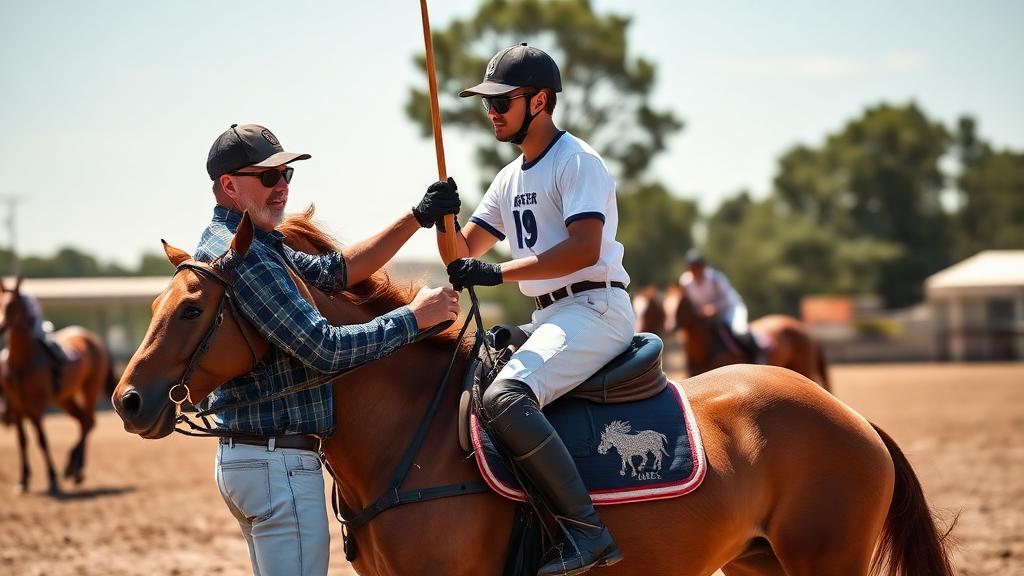
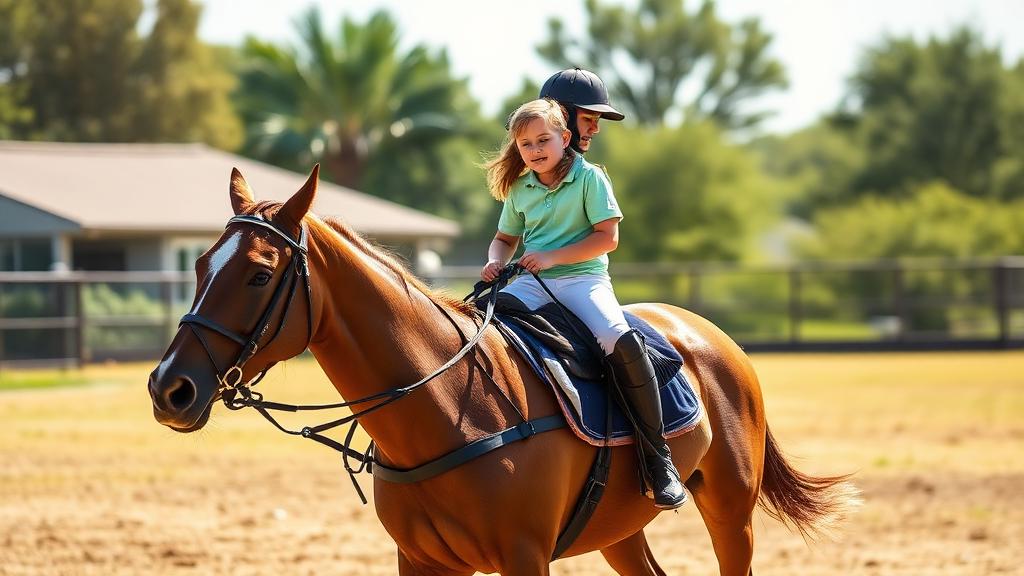
Most polo schools introduce children to polo from **age 7–8** — the age at which a child has sufficient coordination, concentration span, and physical development to manage the basic skills of mounted polo on a small [pony](/glossary/pony).
However, most beginner programmes for children begin with:
**The HPA junior system** (UK) operates youth polo from age 5 upward through its affiliated club programme. The USPA and AAP operate similar youth systems.
The ideal: children who have some basic riding experience — from riding lessons, pony clubs, or family equestrian involvement — will take to polo faster. But it is not a requirement, and polo clubs routinely teach riding and polo simultaneously for young beginners.
Is Polo Safe for Children?
This is the question parents ask first, and it deserves a direct answer.
**Polo involves risk**: it is played on horseback and involves mallets, fast movement, and contact between horses. Accidents occur.
**But the junior polo safety record is strong**: when properly supervised, with appropriate horses and equipment, junior polo has a safety profile comparable to other equestrian sports and better than many contact sports.
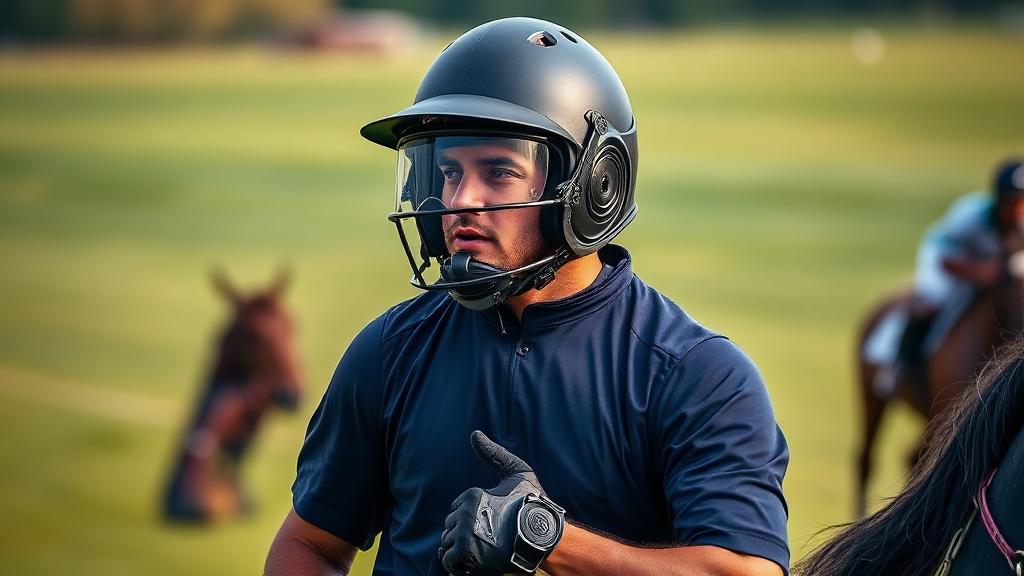
**Safety factors that matter**:
**Compared to other equestrian sports**: Show jumping and cross-country involve similar or higher fall risk. Polo's controlled environment (polo ponies trained for the sport) is in some respects safer than hunting or cross-country.
The Junior [Handicap](/glossary/handicap) System
Young polo players are rated through youth handicap systems in each country:
**UK (HPA)**: Junior players receive a youth handicap rating separate from the adult system. This allows meaningful competition between age groups rather than throwing children into adult handicap pools prematurely.
**USA (USPA)**: The USPA Youth Programme operates age-group tournaments from the youngest pony riders through to university polo. The **USPA National Youth Championships** are held annually.
**Argentina (AAP)**: The strongest junior polo system in the world — the pipeline that produces 10-[goal](/glossary/goal) professionals begins with structured junior polo from age 6–7, with formal handicap ratings from early teens.
Cost Guide — What to Expect
Junior polo is not cheap, but it is not as expensive as the sport's reputation suggests at entry level.
**UK cost guide**:
**USA cost guide**:
**Comparison with other equestrian sports**: Junior polo is broadly comparable in cost to show jumping or eventing, and significantly cheaper than high-level dressage with competition horses.
**What saves cost**: Horse hire covers the biggest expense — children who have their own polo ponies face a larger initial investment (a suitable child's polo pony: £4,000–15,000 depending on quality and training level), but clubs with good hire [string](/glossary/string) programmes make polo accessible without pony ownership.
Finding a Junior Programme
**UK**: Contact the **Hurlingham Polo Association** (hpa.co.uk) for a list of registered clubs with junior programmes. The HPA also runs **Junior Polo Initiative** programmes designed to bring new young players into the sport.
**USA**: The **USPA** (uspolo.org) lists all registered clubs with youth programmes. Ask specifically for clubs that offer the **USPA Youth Programme** structure.
**Australia**: **Polo Australia** (poloaustralia.com.au) maintains junior club listings.
**Argentina**: If you are visiting Argentina on a polo holiday with your family, estancias typically accommodate junior players in structured programmes appropriate for their level.
A child who falls in love with polo acquires something genuinely unusual: a sport and lifestyle that can accompany them through their entire life, that involves horses, team competition, strategy, and a global community. Starting them well — at a reputable club with appropriate horses and qualified instruction — is the investment worth making.