Polo Saddles Explained: What Every Player Should Know
A comprehensive guide to polo saddles — comparing Argentine and English styles, understanding fit for horse and rider, care and maintenance, and navigating price ranges.
Polo Saddles Explained: What Every Player Should Know
The polo saddle sits at the intersection of functionality and tradition. Unlike dressage or jumping saddles — where the design has been optimised over decades primarily for a single athletic context — the polo saddle must serve multiple demanding functions simultaneously: it must allow the rider to swing a [mallet](/glossary/mallet) freely in six directions, provide security during the physical contact of the [ride-off](/glossary/ride-off), accommodate quick lateral movements, and be comfortable for both horse and rider across multiple chukkers.
Understanding saddle design, fitting, and care is an essential part of the [equipment guide](/equipment) for any serious polo player. A poor saddle fit compromises both horse welfare and player performance; a good saddle fit is one of the most significant investments a polo player can make.
The Two Great Polo Saddle Traditions
Modern polo saddles derive from two distinct traditions: the Argentine and the English. While significant hybridisation has occurred — most contemporary saddles borrow from both — understanding the origin and philosophy of each helps in evaluating specific products.
The Argentine Polo Saddle
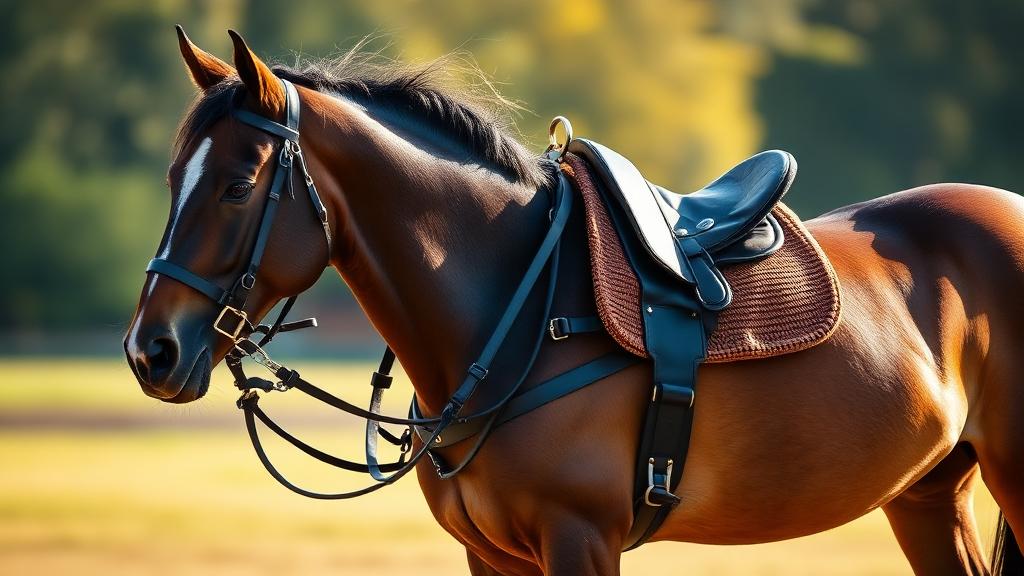
Argentina is the world's leading producer of polo saddles and the origin of the style most commonly used internationally today. Argentine polo saddles are characterised by:
**Flat seat with minimal knee or thigh block**: Argentine saddle design prizes freedom of movement over security. The seat is relatively flat, allowing the rider to shift position quickly, post off the saddle to swing, and move laterally without restriction. There are minimal or no knee rolls — the bulges of leather that many jumping or dressage saddles use to guide the knee position.
**Wide tree**: Argentine saddles typically sit on broader trees than English designs, distributing weight across more of the horse's back. This is relevant to polo because polo ponies carry their riders at pace across extended periods, and even pressure distribution reduces back strain.
**Medium to long flap**: The saddle flap (the leather panel that the rider's leg rests against) is typically medium to long in Argentine designs, providing good contact between rider and horse for communication.
**Stirrup bar placement**: Argentine saddles often have stirrup bars set further back than English equivalents, which influences leg position and weight distribution.
**Leather quality**: Argentina's leather industry is world-class, and Argentine saddles are typically made from premium cowhide that, with proper care, develops a rich patina and lasts decades.
The English Polo Saddle
The English polo saddle tradition developed in the context of British colonial polo and the Guards/Hurlingham circuit. Characteristics include:
**Slightly more structured seat**: English polo saddles tend to have a little more shape to the seat than Argentine equivalents, providing somewhat more security for the rider during the ride-off.
**More defined knee roll**: Some English polo saddles include a modest forward knee roll that guides the knee position in a way the Argentine designs do not.
**Shorter flap**: English saddle flaps are sometimes cut shorter than Argentine equivalents.
**Traditional aesthetic**: English polo saddles often have a slightly different aesthetic — sleeker in profile, with more visible panel shaping.
Which Style Is Right for You?
For most players, particularly those in the early stages of development, the Argentine style provides an excellent balance of freedom and function. The open seat design enforces correct balance — you cannot rely on knee rolls to stay on — while allowing the freedom of movement that effective mallet work requires.
Players with a strong English equestrian background may initially prefer the slightly more structured English polo saddle as it feels more familiar. Over time, many convert to Argentine designs as their polo-specific riding develops.
Saddle Trees: The Foundation of Fit
The tree is the rigid internal framework of the saddle that distributes rider weight across the horse's back. Getting the tree right is the most important element of saddle fitting.
Tree Width
Tree width determines how the saddle sits on the horse's withers and back. A tree that is too narrow perches on the withers and creates pressure points; a tree that is too wide sinks down and can interfere with the horse's shoulder movement and press on the spine.
Polo saddles come in various tree widths, typically described as narrow, medium, wide, and extra wide. Most polo ponies fit medium or wide trees, though considerable variation exists. Never guess the tree width for a horse — have a qualified saddle fitter assess the horse's back before purchasing.
Adjustable Trees
Some modern polo saddles feature adjustable trees that can be modified as a horse's musculature changes. This is particularly valuable for young horses that are developing muscle, or for riders who use their saddle across multiple horses with different back profiles.
Tree Material
Traditional polo saddle trees are made from wood (traditionally beech) covered with fiberglass. Modern alternatives use synthetic materials or metal reinforcement. Quality fiberglass-covered wooden trees are durable and can often be repaired if damaged; synthetic alternatives vary considerably in quality.
Fitting the Saddle to the Horse
Saddle fitting for polo is complicated by the fact that most players use multiple horses. An ideal saddle for one horse may be entirely wrong for another. Practical approaches include:
**One saddle per horse**: The ideal but expensive solution. Each horse has a dedicated saddle fitted to its back.
**Using multiple saddle pads**: Strategic use of saddle pads (shims, memory foam inserts, half pads) can adjust the effective fit of a single saddle for horses with slightly different back profiles. This is a practical compromise but should not be used to fit a saddle that is fundamentally the wrong tree size.
**Multiple saddles**: Many professional players own two or three saddles with different tree widths to accommodate their [string](/glossary/string)'s range of back types.
Signs of Poor Saddle Fit
Watching how a horse moves and behaves during play can indicate saddle fit problems:
If you observe these signs, consult a qualified equine physiotherapist and saddle fitter before they progress to more significant problems.
Fitting the Saddle to the Rider
In addition to fitting the horse, the saddle must fit the rider. Key measurements:
**Seat size**: Measured in inches, seat size refers to the distance from the pommel to the cantle. A seat that is too small forces the rider forward; a seat too large provides insufficient support. The ideal fit places the rider in the centre of the seat with 1 to 2 finger widths behind the seat bones.
**Flap length and forward cut**: The flap should accommodate the rider's thigh length and preferred leg position. Polo saddles with the knee over the stirrup bar in the correct riding position should have a flap that covers the rider's knee without being so long that the lower leg has no contact with the horse.
Polo Saddle Price Ranges
Polo saddle prices reflect enormous variation in materials, craftsmanship, and brand reputation.
| Category | Price Range (GBP) | Typical Use |
|----------|-----------------|-------------|
| Entry-level / student | £200–£600 | Learning, occasional play |
| Mid-range | £600–£1,500 | Regular club polo |
| Professional / high-quality | £1,500–£3,500 | Competitive polo |
| Custom / bespoke | £3,000–£8,000+ | Professional players |
Argentine saddles imported from major manufacturers represent good value in the mid-range bracket. English saddles from established saddlers are typically priced similarly or higher, reflecting craftsmanship labour costs.
Care and Maintenance
A well-maintained polo saddle can last 20 to 30 years. Neglected saddles [crack](/glossary/crack), lose suppleness, and fail structurally within a few years.
Daily Care
After each use:
1. Remove sweat and mud with a slightly damp cloth — do not use excessive water.
2. Apply a thin coat of leather conditioner or saddle soap.
3. Check stitching, billets, and stirrup leathers for wear.
Deep Cleaning
Once or twice per season, do a thorough clean:
1. Remove all metal fittings.
2. Clean thoroughly with saddle soap.
3. Apply leather oil (neatsfoot oil is traditional; purpose-made conditioners often work better on modern leathers).
4. Buff to a soft finish.
5. Inspect the tree by pressing on the pommel and cantle — any creaking suggests structural issues requiring repair.
Storage
Store saddles on a proper saddle rack in a cool, dry environment. Avoid direct sunlight, which dries and cracks leather, and damp conditions, which promote mould. Cover with a breathable saddle cover.
Buying Second-Hand Polo Saddles
Second-hand polo saddles offer good value but require careful inspection:
Recommended Brands
Frequently Asked Questions
Can I use a jumping saddle for polo?
Not advisably for serious polo. Jumping saddles restrict the lateral movement and seat freedom required for mallet work. As a temporary measure for absolute beginners it may be acceptable, but you should transition to a polo-specific saddle as quickly as possible.
How do I know if my saddle tree is broken?
Stand behind the saddle and press firmly down on both sides of the pommel simultaneously while looking at the cantle. A flexing or asymmetrical movement of the tree suggests structural damage. If in doubt, have a qualified saddler assess it.
How often should I have my saddles professionally checked?
A saddle fitter should assess your saddles at least annually, and whenever you notice any change in the horse's behaviour or movement. Young horses being developed should be checked every few months.
Are synthetic polo saddles worth considering?
Some high-quality synthetic saddles offer good performance with easier maintenance and lower cost. They are a reasonable choice for budget-conscious beginners. Most professionals continue to prefer leather for the combination of feel, durability, and appearance.
What is the difference between a polo saddle and a polo exercise saddle?
A polo exercise saddle is designed specifically for stick-and-ball work and practice sessions, prioritising lightness and freedom. It is not designed for match conditions. Some players own both types; others use a single saddle for all purposes.
Should my polo saddle have a deep or shallow seat?
Polo saddles are generally relatively flat/shallow compared to other equestrian disciplines. A deeply contoured seat restricts the movement freedom needed for effective mallet work. The optimal depth is personal — experienced riders often prefer shallower seats; newer riders may appreciate slightly more shape for initial security.