Polo vs Other Equestrian Sports: How They Compare
How does polo stack up against dressage, show jumping, eventing, and racing? A side-by-side comparison of costs, accessibility, skills, and culture.
Polo vs Other Equestrian Sports: How They Compare
If you're interested in equestrian sports, you've probably wondered how polo compares to other disciplines. Each mounted sport has its own culture, costs, skill requirements, and community. This comparison helps you understand where polo sits in the broader equestrian landscape.
The Major Disciplines
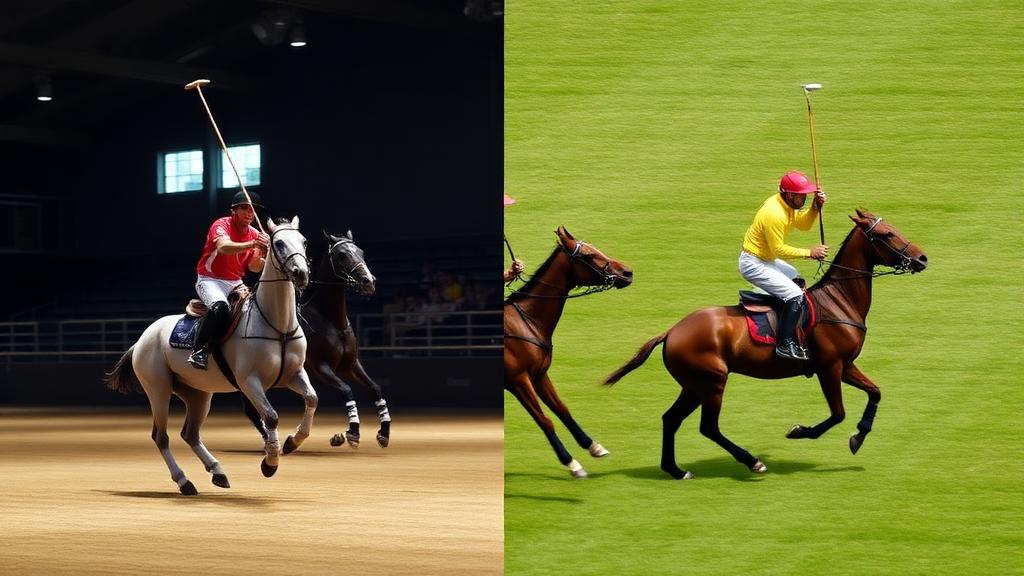
Polo
**Format**: Two teams of four compete to score goals by hitting a ball with mallets while mounted on horseback. Matches are divided into chukkas (periods).
**Key skills**: Hand-eye coordination, spatial awareness, team tactics, horsemanship at speed
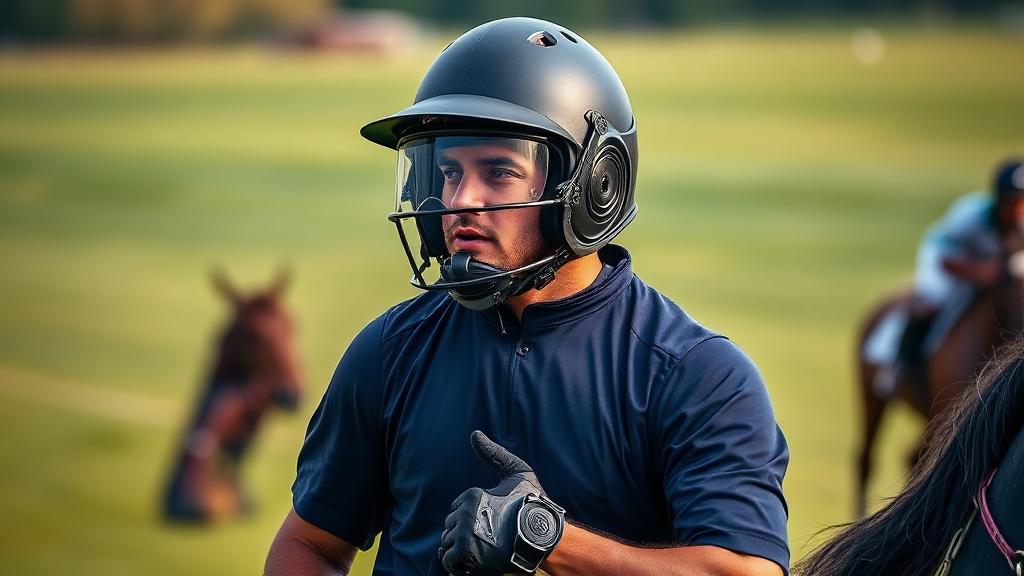
**Physical demands**: Upper body strength for [mallet](/glossary/mallet) work, core stability, aerobic fitness for sustained effort
**Season**: Typically summer (outdoor) with [arena polo](/glossary/arena-polo) year-round
Show Jumping
**Format**: Individual horse and rider navigate a course of fences (jumps) within a time limit. Faults accrue for knocking down fences or refusing.
**Key skills**: Precision riding, horse-rider communication, course strategy, nerve
**Physical demands**: Core and leg strength, balance, timing
**Season**: Year-round (indoor and outdoor)
Dressage
**Format**: Individual horse and rider perform a series of predetermined movements, scored on precision, elegance, and harmony.
**Key skills**: Subtlety of aids, patience, feel, deep understanding of horse biomechanics
**Physical demands**: Core strength, flexibility, mental concentration
**Season**: Year-round
Eventing (Three-Day)
**Format**: Combination of dressage, cross-country jumping, and show jumping, tested over one to three days.
**Key skills**: Versatility — must be competent in three very different disciplines
**Physical demands**: The most physically demanding equestrian sport. Cross-country requires extraordinary fitness and courage
**Season**: Spring through autumn
Horse Racing
**Format**: Horses race against each other over various distances on flat or over jumps (National Hunt / steeplechase).
**Key skills**: Tactical race riding, weight management, understanding pace, nerve
**Physical demands**: Extreme — jockeys maintain very low body weight while managing powerful horses at high speed
**Season**: Year-round (varies by country)
Cost Comparison
This is the question everyone asks. Here's an honest comparison for an **amateur competitor** in each discipline (annual costs, US dollars):
| Category | Polo | Show Jumping | Dressage | Eventing | Racing |
|---|---|---|---|---|---|
| Horse purchase | $15,000–$80,000 | $20,000–$150,000 | $20,000–$200,000 | $15,000–$80,000 | N/A (ownership model) |
| Horses needed | 2–4 minimum | 1–2 | 1 | 1–2 | N/A |
| Annual keep | $8,000–$20,000/horse | $8,000–$25,000 | $8,000–$25,000 | $8,000–$20,000 | $25,000–$50,000/horse |
| Coaching | $3,000–$10,000 | $5,000–$15,000 | $5,000–$20,000 | $5,000–$15,000 | N/A |
| Competition entry | $1,000–$5,000 | $3,000–$15,000 | $2,000–$10,000 | $3,000–$10,000 | $1,000–$50,000 |
| Equipment | $1,000–$3,000 | $2,000–$5,000 | $2,000–$5,000 | $3,000–$8,000 | N/A |
| **Total annual** | **$30,000–$100,000+** | **$40,000–$150,000+** | **$35,000–$150,000+** | **$35,000–$100,000+** | **$30,000–$100,000+** |
**Key insight**: Polo's costs are broadly comparable to other equestrian sports at amateur level. The need for multiple horses increases total spend, but polo's horse-hire culture (paying to ride club horses) offers a lower entry point than most disciplines.
Accessibility for Beginners
| Factor | Polo | Show Jumping | Dressage | Eventing | Racing |
|---|---|---|---|---|---|
| Can you try without owning a horse? | Yes (most clubs) | Sometimes | Rarely | Rarely | No |
| Typical time to first competition | 6–12 months | 6–12 months | 12–24 months | 12–18 months | N/A |
| Beginner lesson availability | Good (growing) | Excellent | Excellent | Good | N/A |
| Age to start | Any (youth programmes exist) | Any | Any | 12+ recommended | 16+ (amateur) |
| Fitness required to begin | Moderate | Moderate | Low | High | Very high |
**Polo's advantage**: The horse-hire model means complete beginners can experience competitive play within months, without the massive investment of buying a horse. No other equestrian sport offers this pathway as consistently.
Social Culture
Each discipline has a distinct social character:
**Polo**: The most social of the equestrian sports. Matches are social events — spectators, champagne, fashion. The team format creates a built-in social network. Post-match socialising is as much a part of polo culture as the sport itself.
**Show Jumping**: Competitive and individual. Social life centres around horse shows and the travelling circuit. Strong community among competitors who see each other regularly at events.
**Dressage**: The most individual and introspective discipline. Deep focus on the horse-rider partnership. Social life tends to be centred around training yards rather than competitions.
**Eventing**: Strong camaraderie born from shared danger and the travelling nature of the sport. The three-day format creates extended social interaction at events. Known for its inclusive, supportive community.
**Racing**: Highly stratified — owners, trainers, jockeys, and punters occupy different social worlds. The gambling element creates a unique spectator culture distinct from other equestrian sports.
Which Is Right for You?
Consider these factors:
The Crossover Effect
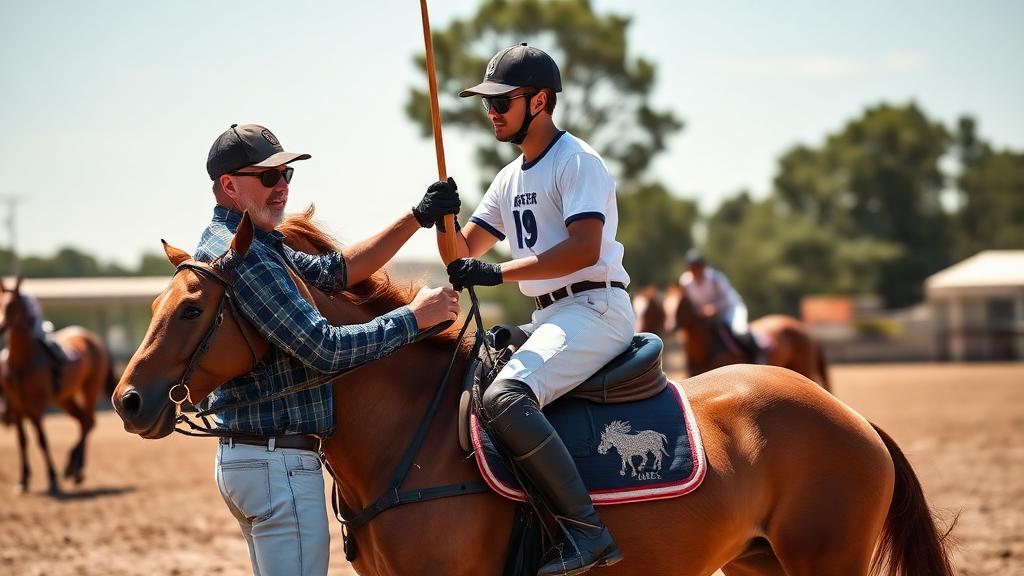
Many polo players have backgrounds in other equestrian disciplines, and the skills transfer is significant:
Polo's team format and the excitement of mounted ball sport attract riders looking for something new — and the horse-hire model means they can try polo without abandoning their existing discipline.