Returning to Polo After a Break: A Comeback Guide
Whether you've been away from polo for months or years, coming back requires a structured approach to rebuild fitness, confidence, and skills safely and effectively.
Returning to Polo After a Break: A Comeback Guide
Every polo player takes a break at some point. Life intervenes — injury, work demands, family commitments, financial constraints, or simply a period where other priorities took over. The break might be six months or six years. Coming back to polo after any significant absence presents both opportunities and real challenges: the muscle memory fades, the fitness drops, the confidence in the saddle takes time to rebuild, and the tactical reading of the game goes stale.
This guide is for players returning to polo after a break of six months or more, covering physical preparation, skill rehabilitation, mental adjustment, and practical steps for making a smart comeback. For resources on ongoing player development, see our [learn polo](/learn) guide.
Assessing Where You Are Before Starting
The biggest mistake returning polo players make is assuming they can pick up where they left off. Regardless of [handicap](/glossary/handicap) history, a significant break changes your physical state, your horsemanship, and your polo instincts in ways that require honest assessment before resuming at previous levels.
Physical Fitness Assessment
Polo fitness is specific. It requires:
After a break of six months or more, assume that your polo-specific fitness has declined meaningfully. This does not mean you are unfit in general — but the specific muscle groups and cardiovascular demands of polo are different from most other exercise, and they need to be rebuilt.
Horsemanship Assessment
Even experienced riders lose some feel and timing after a break from regular riding. The adjustments happen imperceptibly but accumulate:
Your first session back on a horse will tell you a great deal about where you are. Be honest with yourself.
Polo Skill Assessment
Swing mechanics, shot selection, positioning, and game awareness all need recalibration after a break. The good news is that well-ingrained skills return faster than they were originally learned — but they do not return immediately.
Rebuilding Fitness for Polo
The Pre-Return Fitness Plan
Before getting back on a horse, a structured pre-return fitness plan of four to eight weeks will significantly improve your comeback experience. Focus on:
**Core strength**: Planks, anti-rotation exercises, Russian twists with medicine ball, Pallof press. Core stability is foundational for riding and swing mechanics.
**Leg strength**: Squats, lunges, single-leg Romanian deadlifts, step-ups. Polo riding requires sustained leg strength that fades quickly when not in use.
**Hip flexibility**: Hip flexor stretching, yoga hip openers, pigeon pose. Tight hip flexors after a break impair riding position and swing mechanics.
**Rotational strength and flexibility**: Thoracic spine rotation exercises, cable rotations, golf-style rotational drills. The polo swing is a rotational movement — thoracic mobility is essential.
**Cardiovascular base**: Three to four sessions per week of moderate-intensity cardio (running, cycling, rowing). The [goal](/glossary/goal) is rebuilding aerobic base, not maximal fitness.
See our [polo fitness guide](/learn) for a complete programme structure.
On-Horse Fitness Progression
When you return to riding:
**Weeks 1–2**: Walk and trot only. Focus on re-establishing balance, feel, and position. No polo hitting.
**Weeks 3–4**: Introduce canter work. Begin mallet exercises at walk and trot on quiet horses. Practice swings without hitting a ball initially.
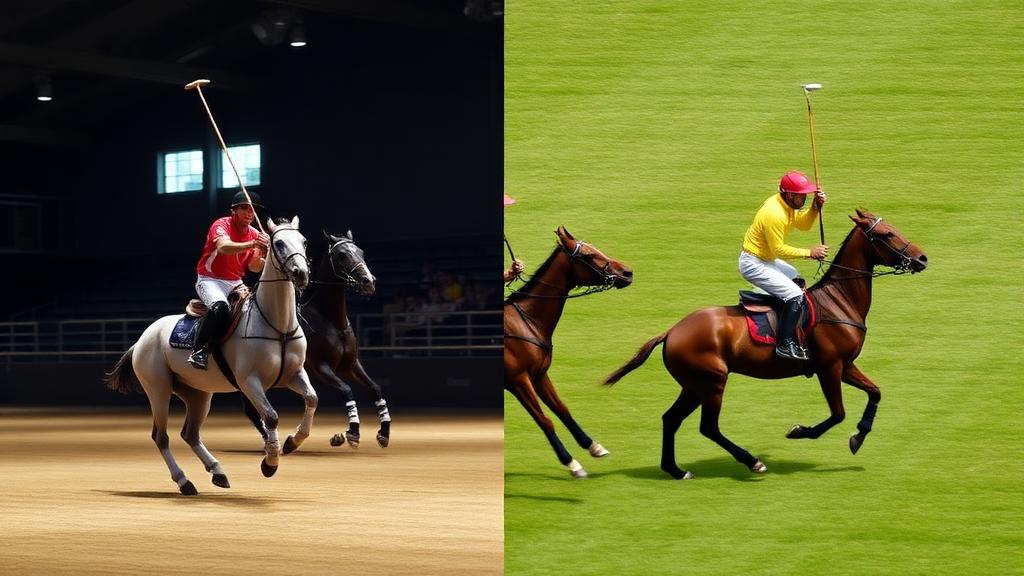
**Weeks 5–6**: Introduce slow, controlled ball-hitting exercise. [Arena polo](/glossary/arena-polo) or stick-and-ball practice only. No match play.
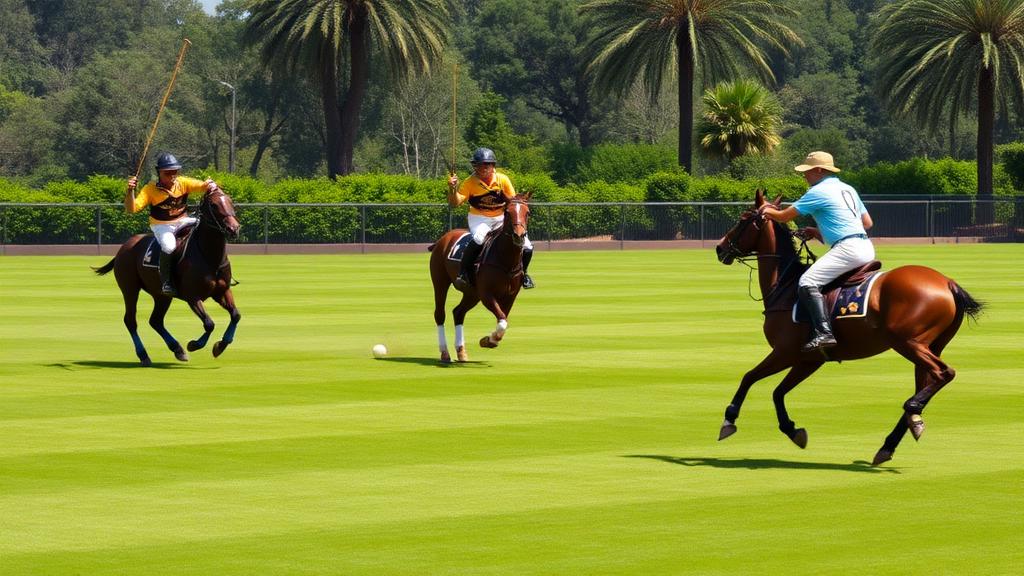
**Weeks 7–8**: Graduated return to practice chukkers. Start with one chukker per session, not full match play.
This progression prevents the injury risk that comes from demanding too much of reawakened muscles too quickly.
Rebuilding Swing Mechanics
Muscle memory for swing mechanics is the most durable element of polo skill — it returns faster than many players expect. However, it does not return perfectly on its own. Deliberate practice is required.
Wooden Horse Session
If your club has a wooden horse or polo simulator, use it. A focused session on the wooden horse before returning to mounted swing work allows you to:
Slow Practice Hitting
Return to slow, deliberate ball-hitting practice before trying to replicate match-speed shots. Controlled practice on a quiet horse at slow speeds reactivates the patterns faster than attempting match-speed shots from the start.
Focus on:
Gradual Speed Increase
Only introduce speed when the swing mechanics feel consistent at slower speeds. The temptation to push speed too quickly — to feel like you are playing proper polo again — undermines quality and can reinforce bad habits that form in the absence of confident mechanics.
The Mental Return
Physical preparation is only part of the comeback. The mental adjustment is equally important and often less well-managed.
Managing Expectation
The most significant mental challenge for returning players is comparing current performance to remembered performance. Your three-goal game from before the break is not immediately available — it will return, but gradually. Managing this gap with patience rather than frustration is the mental skill that most determines comeback success.
**Strategy**: Set process goals rather than performance goals. "Hit the ball cleanly and follow through" is a better comeback goal than "play as well as I used to."
Rebuilding Confidence
Confidence in polo is partly skill-based and partly accumulated experience of managing horses in fast conditions. After a break, confidence in these fast conditions takes time to rebuild — this is appropriate caution, not weakness.
**Strategy**: Favour quiet, reliable horses for the return phase. This is not the time to ride the most challenging horses in the [string](/glossary/string). A confident return on a safe horse beats an anxious, uncertain experience on a difficult horse.
The Patience Requirement
Accept from the start that the comeback is a process of weeks or months, not a single session. Players who accept this reality make their comeback more smoothly than those who expect immediate restoration of previous form.
Practical Comeback Steps
Inform Your Polo Manager or Captain
Let your club know you are returning after a break. This allows:
Get a Health Check
If the break included injury recovery, clearance from a medical professional before returning to polo is not optional — it is obligatory. Polo is a high-impact sport, and returning before physical rehabilitation is complete risks re-injury or more serious damage.
Review Your Equipment
Equipment that has been stored may have deteriorated. Before returning to play:
See our [equipment guide](/equipment) for full equipment assessment criteria.
Set a Return Timeline
Plan a structured return timeline with realistic milestones:
Frequently Asked Questions
How long will it take to get back to my previous level?
A rough guide: expect one month of structured return for every two months of break, up to a maximum of three to four months for most players. A two-year break is unlikely to require more than four months of structured return to reach previous function level, though full form restoration may take a full season.
Do I need to tell my club about my break?
Yes — particularly for horse allocation and team positioning. Returning players who conceal their break status and are placed in situations beyond their current condition risk injury to themselves and others.
Should I use the same equipment as before?
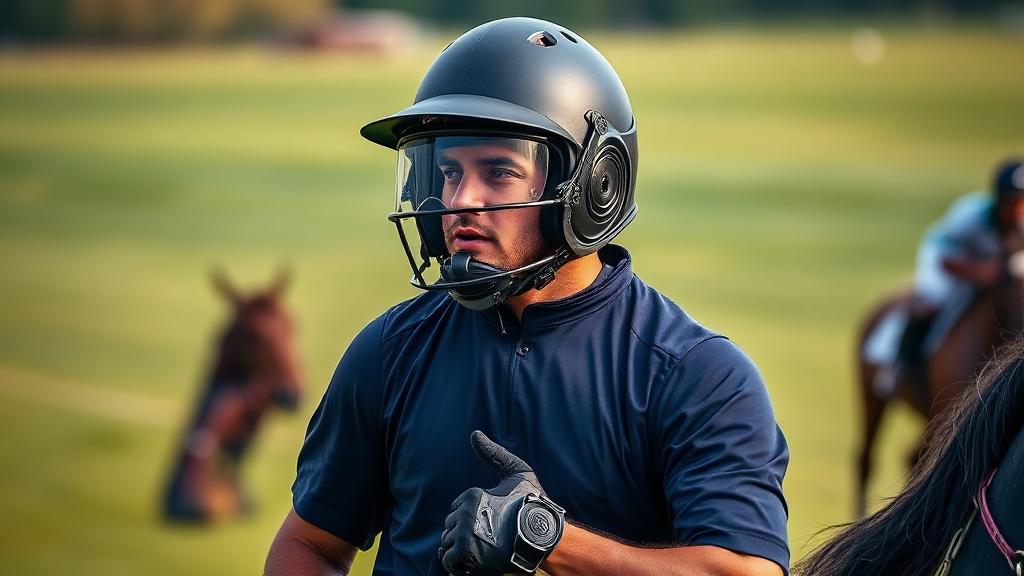
Check all safety equipment carefully. Helmets that have expired certifications or reached replacement age need replacement before use — do not return to polo in a helmet you cannot be certain is safe. Other equipment should be inspected for wear.
Can I return at my previous handicap?
Your registered handicap does not change during a break. However, your current performance may not match your registered handicap — which is expected and accepted. Communicate with club handicappers if you are significantly underperforming registered rating during the comeback period.
What is the biggest mistake returning players make?
Playing at full intensity too soon. The eagerness to play "proper polo" again leads many players to skip the graduated progression and play match polo before they are ready. This leads to poor play, injured confidence, and sometimes physical injury. Follow the graduated return timeline even when it feels conservative.
Is it worth taking lessons when returning?
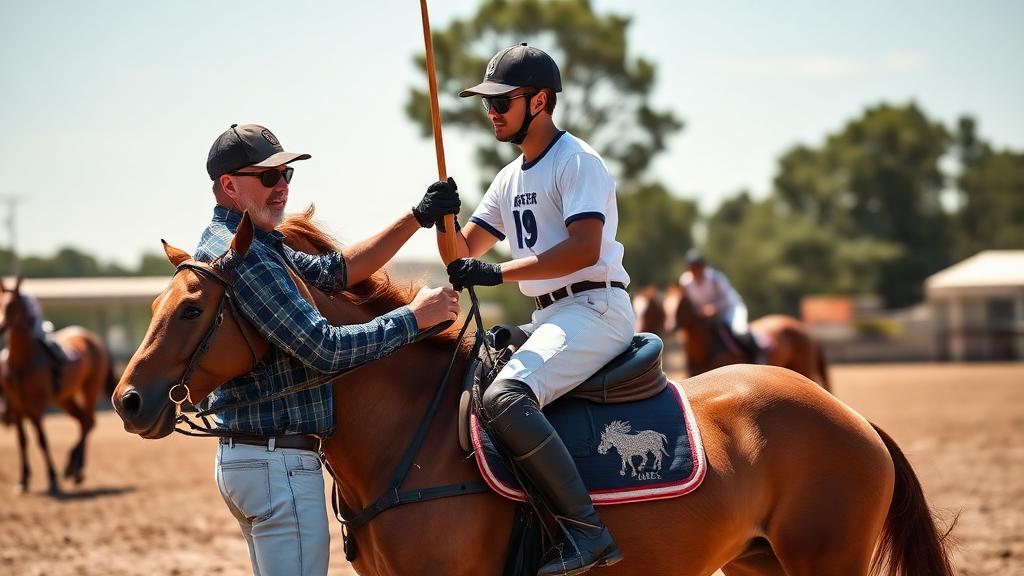
Yes, strongly. Even experienced players benefit from coaching observation during the return phase — coaches can identify technical deterioration that the player cannot see from inside the movement.