Youth Polo: Starting Kids in the Sport
Everything parents need to know about introducing children to polo: from age requirements and costs to safety considerations and finding the right program.
Youth Polo: Starting Kids in the Sport
Polo offers children an extraordinary combination of horsemanship, teamwork, physical challenge, and strategic thinking. Many professional players started as children, and youth programs are growing worldwide. Here's what parents need to know about introducing their children to polo.
What Age Can Kids Start?
Basic Guidelines
**Ages 4-6**: Too young for polo itself, but perfect for foundational horsemanship. [Pony](/glossary/pony) riding lessons, grooming, and horse care introduce the partnership essential to polo.
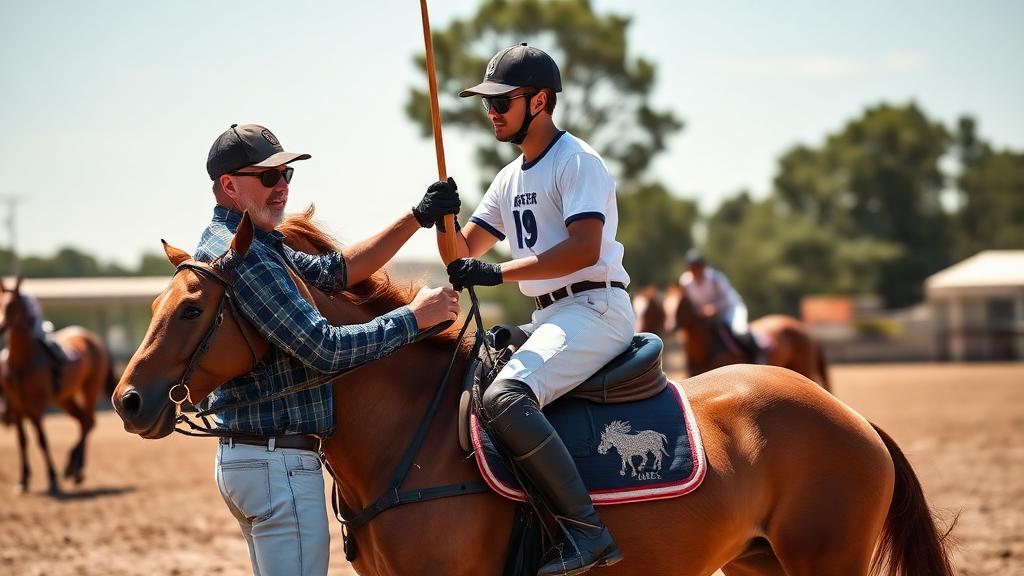
**Ages 7-9**: Introduction to polo-specific skills. Many programs begin teaching swing mechanics on wooden horses and introduce stick-and-ball on gentle ponies.
**Ages 10-12**: Organized youth polo becomes possible. Junior tournaments, league play, and structured coaching programs are appropriate.
**Ages 13+**: Competitive youth polo at increasing intensity. Teenage players often achieve significant handicaps and compete with adults.
Riding Experience Matters More Than Age
A 9-year-old with three years of riding experience may be more ready for polo than a 12-year-old beginner. The key factors are:
Finding the Right Program
What to Look For
**Certified Instructors**: Look for qualifications from recognized polo associations (USPA, HPA, AAP, etc.) and/or equestrian teaching certifications.
**Appropriate Horses**: Youth programs should use experienced, calm ponies specifically trained for young riders. Avoid programs that mount beginners on random available horses.
**Progressive Curriculum**: Good programs have structured pathways from groundwork through mounted play, with clear skill milestones.
**Safety Focus**: Helmets always required, age-appropriate equipment, supervision ratios appropriate for the activity level.
**Social Environment**: Polo is a team sport. Programs should build community among young players, not just individual skill.
Program Types
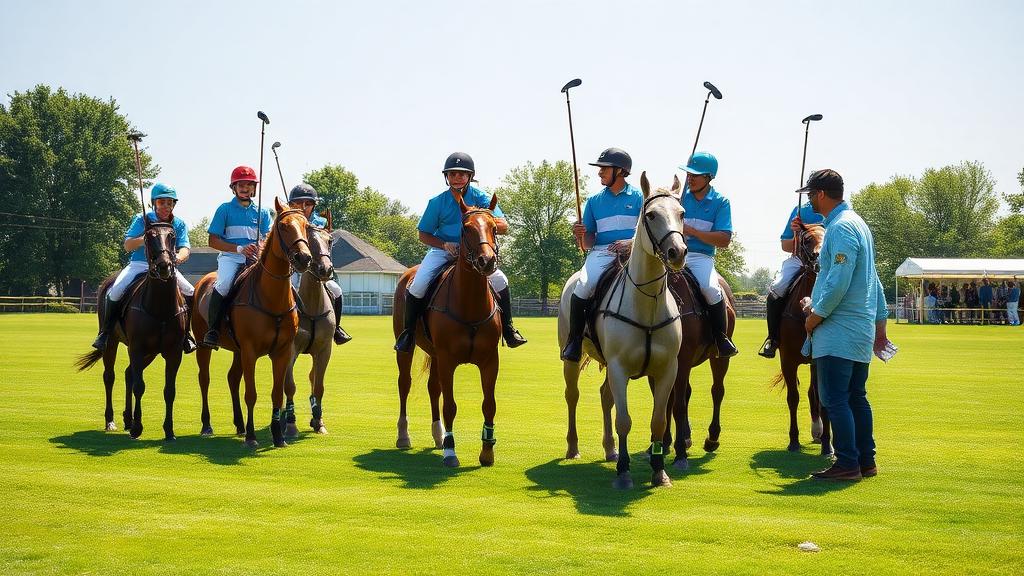
**Club Youth Programs**: Many polo clubs offer junior memberships with regular instruction and league play. Often the most comprehensive option.
**Polo Schools**: Dedicated polo training facilities, sometimes offering summer camps or intensive programs.
**Private Instruction**: One-on-one coaching, often supplemented by group play at clubs.
**Summer Camps**: Week-long intensive programs, often residential, that combine polo instruction with other equestrian activities.
Costs
Youth polo costs vary significantly by location and program intensity:
Basic Costs (US Estimates)
**Lessons**: $75-200 per hour (group rates often lower)
**Equipment**: $500-1,500 initially (helmet, boots, mallets)
**Program Fees**: $500-3,000 per season for youth leagues
**Summer Camps**: $1,000-4,000 per week
The Horse Question
Most youth programs provide horses for lessons and competitions. Owning horses dramatically increases costs but isn't necessary until competitive levels demand it.
**When Ownership Makes Sense**: If your child plays 3+ times per week, competes regularly, and is committed for the foreseeable future, horse ownership may become economical and allow more practice time.
Scholarships and Financial Aid
Many clubs and associations offer youth polo scholarships:
Don't assume polo is out of reach financially without investigating available support.
Safety Considerations
Polo-Specific Risks
Like all equestrian sports, polo carries inherent risks. Youth-specific considerations include:
**Falls**: Children fall. Good programs teach falling safely and ensure appropriate supervision.
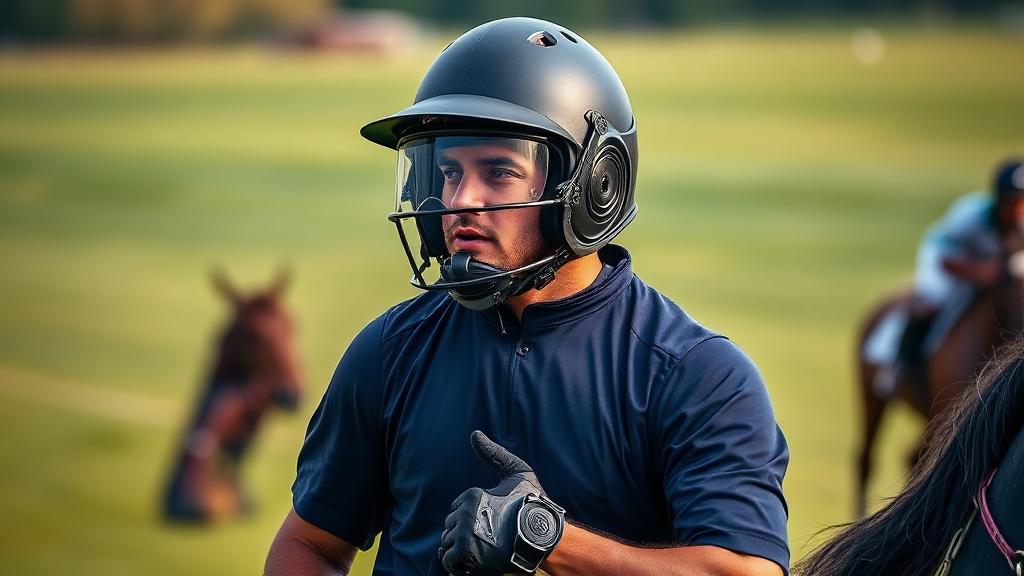
**[Mallet](/glossary/mallet) Contact**: Accidental mallet strikes happen. Helmets are mandatory; faceguards are increasingly common for youth.
**Ball Impact**: Being hit by a polo ball is painful. Protective equipment is essential.
Safety Equipment
Mandatory for youth polo:
Recommended:
Choosing Safe Programs
Ask potential programs about:
Building Skills Progressively
The Development Pathway
Stage 1: Horsemanship Foundations
Stage 2: Polo Fundamentals
Stage 3: Game Play Introduction
Stage 4: Competitive Development
Youth Competitions
Tournament Formats
**SUPA (Schools and Universities Polo Association)**: Coordinates interscholastic polo in several countries
**Junior Divisions**: Most national associations run junior tournament circuits
**Age Categories**: Typically Under-12, Under-16, Under-21 with varying rules
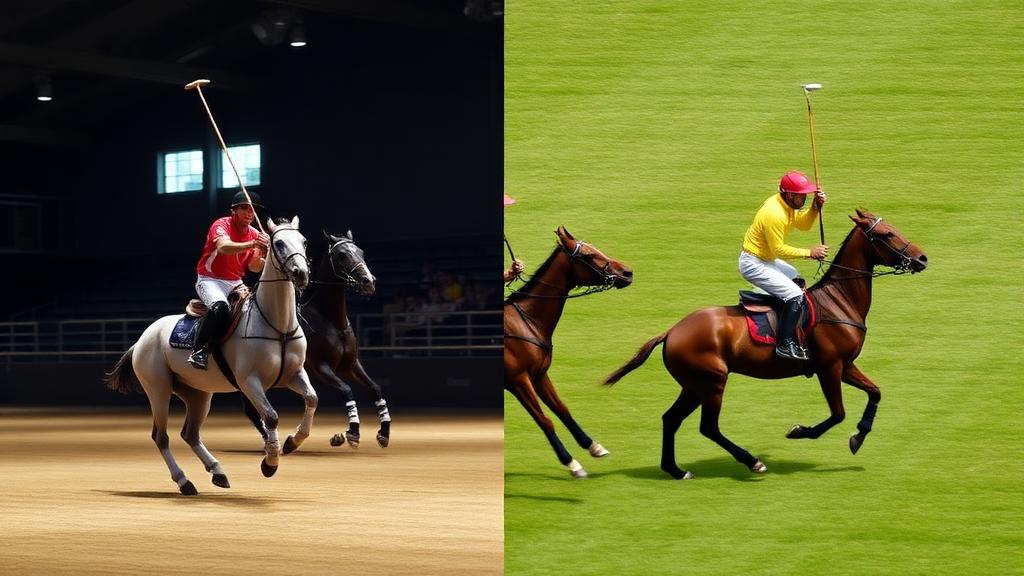
**Arena vs. Grass**: Many youth programs emphasize arena polo (smaller, more controlled) before transitioning to grass
The Interscholastic Route
In the US, UK, and several other countries, school and university polo programs exist:
**High School**: A growing number of schools have polo programs, particularly in polo-dense regions (Florida, Texas, California, UK)
**University**: Strong programs at Cornell, Virginia, Texas A&M, USC, and others in the US; several UK universities field teams
**Benefits**: Team environment, structured competition, scholarship potential
Parent Involvement
How to Support Your Child
**Be Present, Not Pushy**: Attend matches and practices but let coaches coach. Young players need space to develop without parental pressure.
**Understand the Sport**: Learn the rules, watch professional matches, ask questions. Your child will enjoy sharing their knowledge.
**Manage Expectations**: Polo has a long learning curve. Celebrate progress, not just goals scored.
**Facilitate Practice**: Help your child get to lessons, support practice time, but let them own their polo journey.
Parent Responsibilities
What Not to Do
Long-Term Development
The Professional Question
Very few youth players become professionals. But many benefits accrue regardless:
**Life Skills**: Discipline, responsibility, teamwork, handling pressure
**Horsemanship**: Skills transferable to other equestrian sports
**Physical Fitness**: Active sport with lifetime participation potential
**Community**: Polo relationships often last decades
Scholarship Potential
Some universities offer polo scholarships or consider polo in admissions. A strong youth polo resume can support college applications, particularly at schools with active polo programs.
The Amateur Route
Many young players continue as competitive amateurs into adulthood — playing club polo, low-[goal](/glossary/goal) tournaments, and recreational chukkas while pursuing other careers. This is the path for most players and can provide decades of enjoyment.
Getting Started
First Steps
1. **Find local clubs**: Search polo association directories or search online for "polo lessons [your location]"
2. **Observe first**: Visit clubs, watch lessons, meet instructors before committing
3. **Start with riding**: If your child isn't already riding, begin there before adding polo
4. **Try before buying**: Most clubs offer trial lessons; start with these
5. **Build community**: Connect with other polo families for carpools, shared experiences, and mutual support
Youth polo offers children challenges they'll find nowhere else — the partnership with horses, the physical and mental demands, the team environment. For families willing to invest the time and resources, it can become a defining part of childhood.